

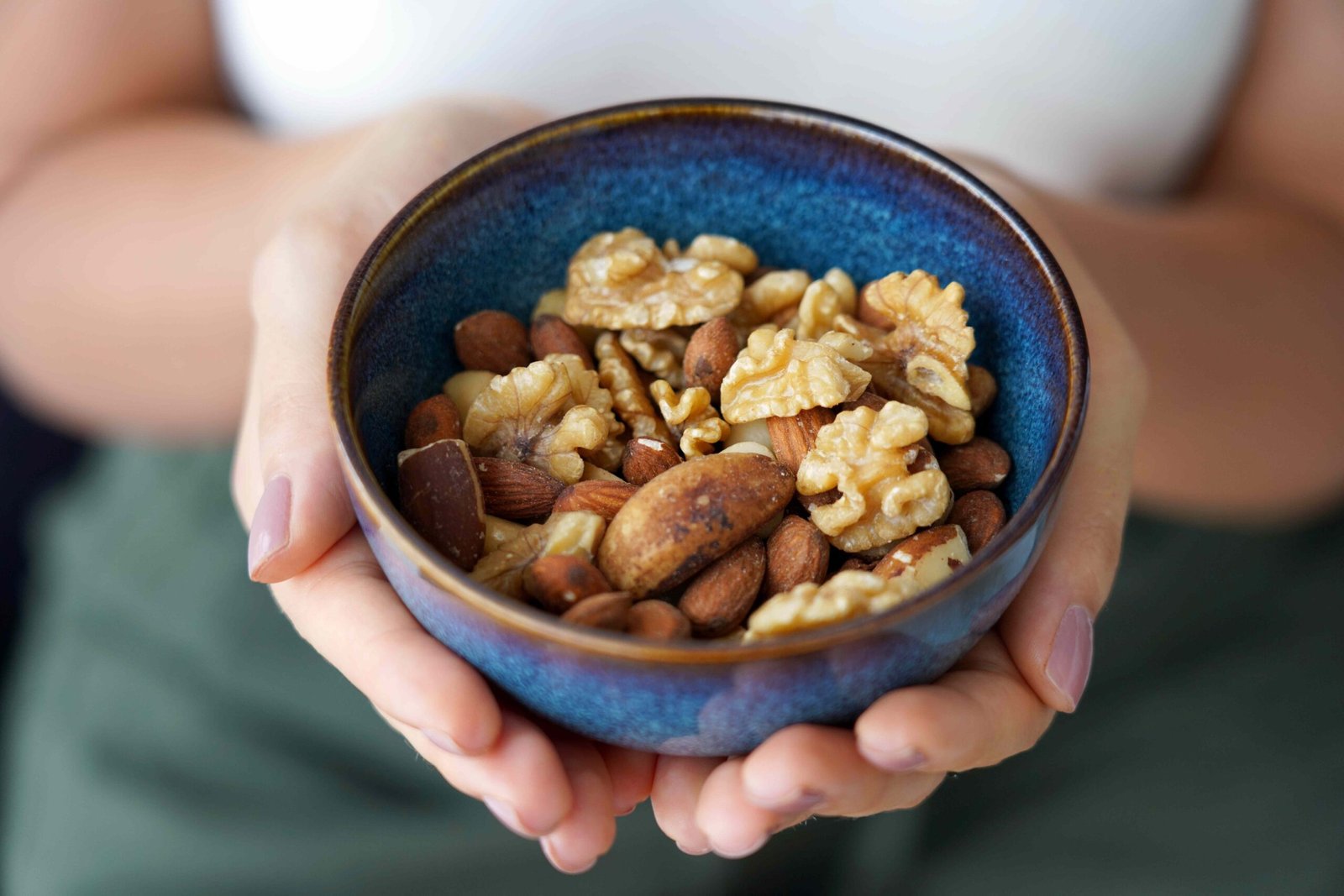
Nuts are rich in protein, fiber, healthy fats, vitamins, and minerals—this collection of nutrients may help people keep their blood pressure at healthier levels. Here are four nuts to add to your diet for better blood pressure and heart health.
Magic cinema / Getty Images
Like most other nuts, almonds are a good source of fiber and plant-based protein. Studies have shown that diets high in these two nutrients may lower high blood pressure (hypertension) risk.
Almonds also contain micronutrients that may help with high blood pressure, including:
- Magnesium: One ounce (28.3 grams) of almonds contains 76.5 milligrams of magnesium, or 18-25% of your recommended daily intake, depending on gender and age. Research has suggested that diets higher in magnesium are linked with a lower risk of hypertension, though more evidence is needed.
- Vitamin E: Almonds have 7.26 milligrams of vitamin E per ounce, which is about 50% of adults’ recommended daily intake. Vitamin E works as an antioxidant, so it may be able to limit cell-damaging compounds called free radicals, which play a role in the development of heart disease. However, links between vitamin E and lower blood pressure tend to be inconsistent in research.
Studies investigating the link between almond consumption and hypertension in the real world have shown promise, though most have found that eating almonds lowers diastolic blood pressure (the bottom number in a reading) and not systolic blood pressure (the top number).
nilimage / Getty Images
Walnuts are good sources of protein and fiber, but they’re also rich in polyunsaturated, or “healthy,” fats. One ounce (14 walnut halves) contains 13.4 grams of polyunsaturated fats, which include omega-3s and omega-6s.
These healthy fats have a number of heart health benefits—omega-3s can help lower triglyceride (fat) levels in the blood and reduce your risk of an irregular heartbeat, while omega-6s can help control your blood sugar. Both of them can help lower blood pressure.
Research on how eating walnuts affects blood pressure are a bit more mixed. Some research has found that eating more walnuts is linked to better systolic blood pressure (the top number in a reading) and greater blood pressure control overall. However, others have found no link or mixed results.
undefined undefined / Getty Images
Pistachios pack several healthy nutrients into a tiny snack, including protein, fiber, and some healthy fats, all of which have been linked to better blood pressure. Pistachios also have heart-healthy nutrients such as:
- Antioxidants: These nuts contain a number of antioxidants, including beta carotene, lutein and zeaxanthin, and vitamin C. Antioxidants help reduce oxidative stress, an imbalance of harmful free radical compounds in the body. This could help regulate blood pressure.
- Potassium: One ounce (about 49 pistachios) contains 8% of the recommended daily intake of potassium for men, and 11% for women. Potassium helps relax the blood vessels and removes excess sodium from the body, both of which can improve blood pressure.
Some research suggests adding pistachios to your diet in place of other foods could reduce systolic blood pressure (the top number in a reading), though results are inconsistent, so more research is needed.
SUNGSU HAN / Getty Images
Brazil nuts are large nuts that are rich in a number of heart-healthy nutrients. Just six Brazil nuts contain 2.1 grams of fiber, 4 grams of protein, and 6.9 grams of healthy polyunsaturated fats. Diets high in these macronutrients can support healthier blood pressure.
These nuts are also a great source of selenium. In fact, just one Brazil nut contains 68–91 micrograms of selenium—just be careful to limit your consumption to no more than 400 micrograms of selenium daily.
In small dietary doses though, selenium can help reduce inflammation and may potentially support heart health. One 2024 study found an association between greater selenium consumption and a lower risk of high blood pressure, however, more research is needed.
All nuts are great sources of fiber and protein, making them a healthy addition to your diet. They could help lower your hypertension risk and protect your heart health too, particularly nuts that have extra heart-healthy micronutrients.
Almonds, Brazil nuts, walnuts, pistachios, and many other nut varieties are easy additions to your everyday diet. You can try:
- Making your own trail mix with nuts, seeds, and raisins
- Tossing pecans into a spinach salad
- Adding walnuts and bananas to oatmeal
- Crumbling pistachios on top of fresh fruit
- Topping your yogurt with a variety of mixed nuts
- Adding slivered almonds to green beans, or chopped walnuts to asparagus
