

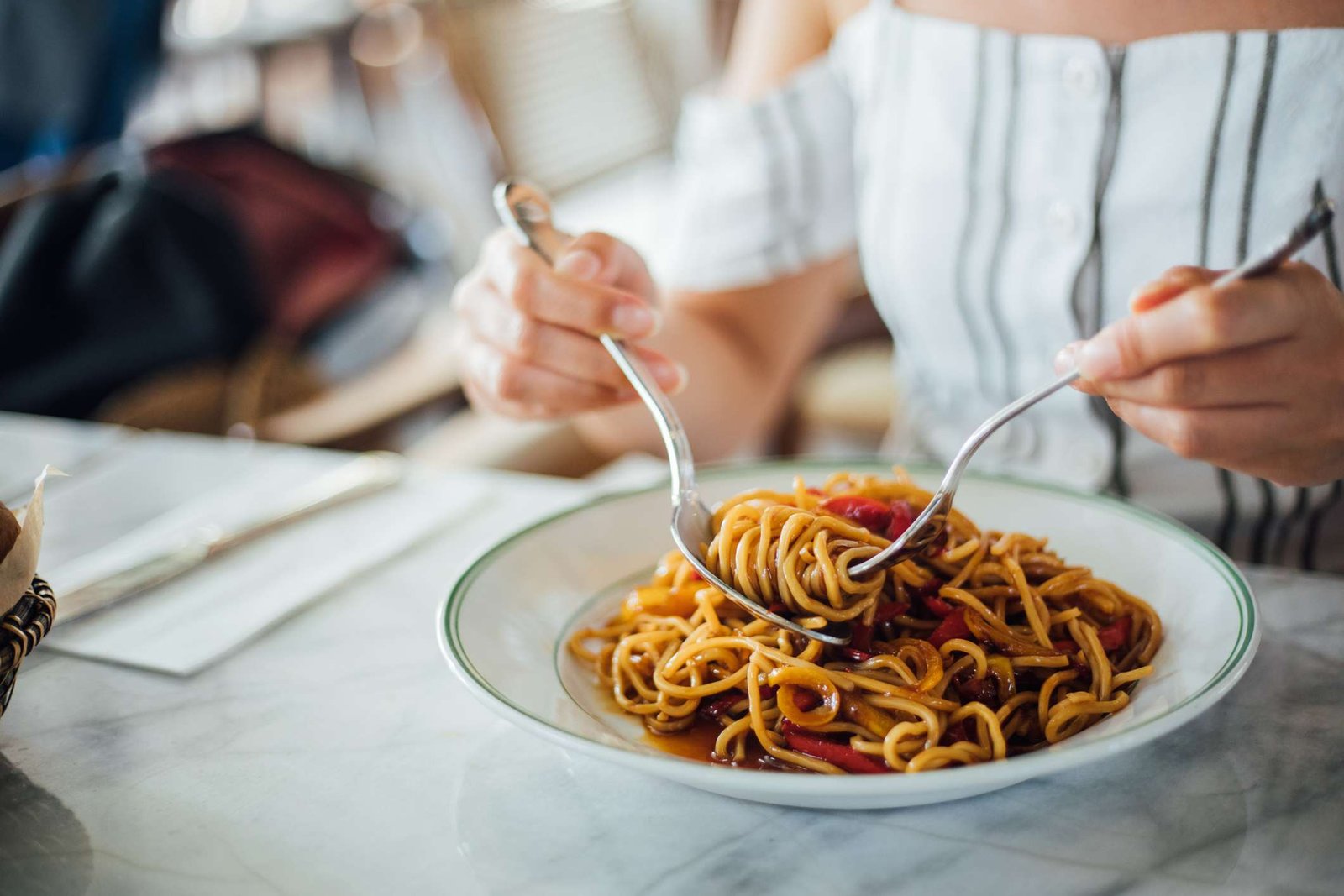
Pasta is a carbohydrate-rich food that affects blood sugar differently depending on how its made. Any carbohydrate-containing food can raise blood sugar (glucose), but the ingredients, fiber, and protein content influence how quickly and how high your levels rise. Here are six pasta types
that can still work well in a blood sugar–friendly eating plan.
Almaje / Getty Images
- What it’s made from: Ground chickpeas, sometimes blended with pea protein or rice.
- Why it may cause a slower glucose rise: Chickpeas are high in fiber and protein, which slows digestion and carbohydrate absorption. This slower absorption leads to a more gradual rise in blood sugar and can help you feel fuller for longer after meals.
- Who it may be best for: People with insulin resistance, prediabetes, or type 2 diabetes, as well as those who feel hungry soon after eating traditional pasta.
Almaje / Getty Images
- What it’s made from: Red or green lentil flour, sometimes paired with pea flour.
- Why it may cause a slower glucose rise: Lentils provide fiber and plant protein. Research shows that lentils lead to much lower post-meal blood sugar responses compared with refined grain products.
- Who it may be best for: Individuals who look for a high-protein pasta to balance blood sugar.
TinaWang / Getty Images
- What it’s made from: Traditional wheat semolina blended with ingredients that boost protein, like pea protein, quinoa flour, lentil flour, or chickpea flour.
- Why it may cause a slower glucose rise: Extra protein slows gastric emptying and reduces how quickly carbohydrates are absorbed. Higher-protein meals are also linked to improved satiety and fewer glucose spikes.
- Who it may be best for: Physically active individuals or those who love traditional pasta but need more protein.
brebca / Getty Images
- What it’s made from: Konjac flour (a starchy root vegetable).
- Why it may cause a slower glucose rise: Konjac is rich in glucomannan, a type of soluble fiber. These noodles have a softer, slightly springy texture compared with traditional pasta. Since they are very low in carbohydrate and high in soluble fiber, they support a much lower post-meal blood sugar response.
- Who it may be best for: Those highly sensitive to starches or following low-carb diets.
vaaseenaa / Getty Images
- What it’s made from: Soybeans.
- Why it may cause a slower glucose rise: Since edamame pasta is made from soybean flour, it’s typically very high in protein and fiber. Soy-based foods are associated with improved glycemic responses and heart health.
- Who it may be best for: People looking for high-protein, blood sugar–stabilizing meals, especially those who also want foods that support heart health.
fermate / Getty Images
- What it’s made from: Entire wheat kernel.
- Why it may cause a slower glucose rise: Whole wheat pasta is less refined than traditional pasta, which means it contains more fiber. That said, whole wheat pasta is typically lower in fiber and protein than legume-based pastas, so blood sugar responses may vary between individuals.
- Who it may be best for: People who want a familiar pasta experience with better glycemic support, especially those who generally tolerate carbohydrate-rich meals well.
Several factors influence how pasta affects your blood sugar after a meal:
- Refined vs. whole grains: Refined pasta is made from processed grains that have had the bran and germ removed. This removes much of the fiber and can lead to a faster rise in blood sugar. Whole-grain pasta keeps the fiber and natural grain structure, which slows digestion.
- Fiber and protein content: Fiber slows how quickly glucose enters the bloodstream, while protein slows digestion and helps you feel full. Pastas made from legumes or enriched with protein often cause a gentler rise in blood sugar and may improve satiety.
- Glycemic index vs. glycemic response: The glycemic index (GI) measures how quickly a food raises blood sugar, but measurements vary depending on portion size, cooking method, and what you eat with it. The same pasta dish can affect blood sugar differently between individuals.
Refined white pasta made from traditional semolina is digested more quickly because much of the fiber-rich bran has been removed. Faster digestion can lead to a rapid, sharp rise in blood sugar, especially when eaten alone or in large portions.
That doesn’t mean avoiding pasta entirely. A flexible approach works well using the following tips:
- Consider portion size: Smaller servings of pasta will naturally lead to lower blood sugar responses because they limit total carbohydrate intake.
- Chew pasta well: Some research suggests that pasta’s structure requires more chewing and resists breakdown during digestion. These large starch-protein complexes are digested more slowly, which can lower post-meal blood sugar.
- Pair with protein, fats, and vegetables: Adding these nutrients slows digestion, which may lead to a gentler glucose response.
- Try cooking, cooling, and reheating pasta: Cooling cooked pasta changes part of its starch into resistant starch, which is digested more slowly. Research suggests that chilled or reheated pasta may cause a lower post-meal rise in blood sugar than freshly cooked pasta.
