

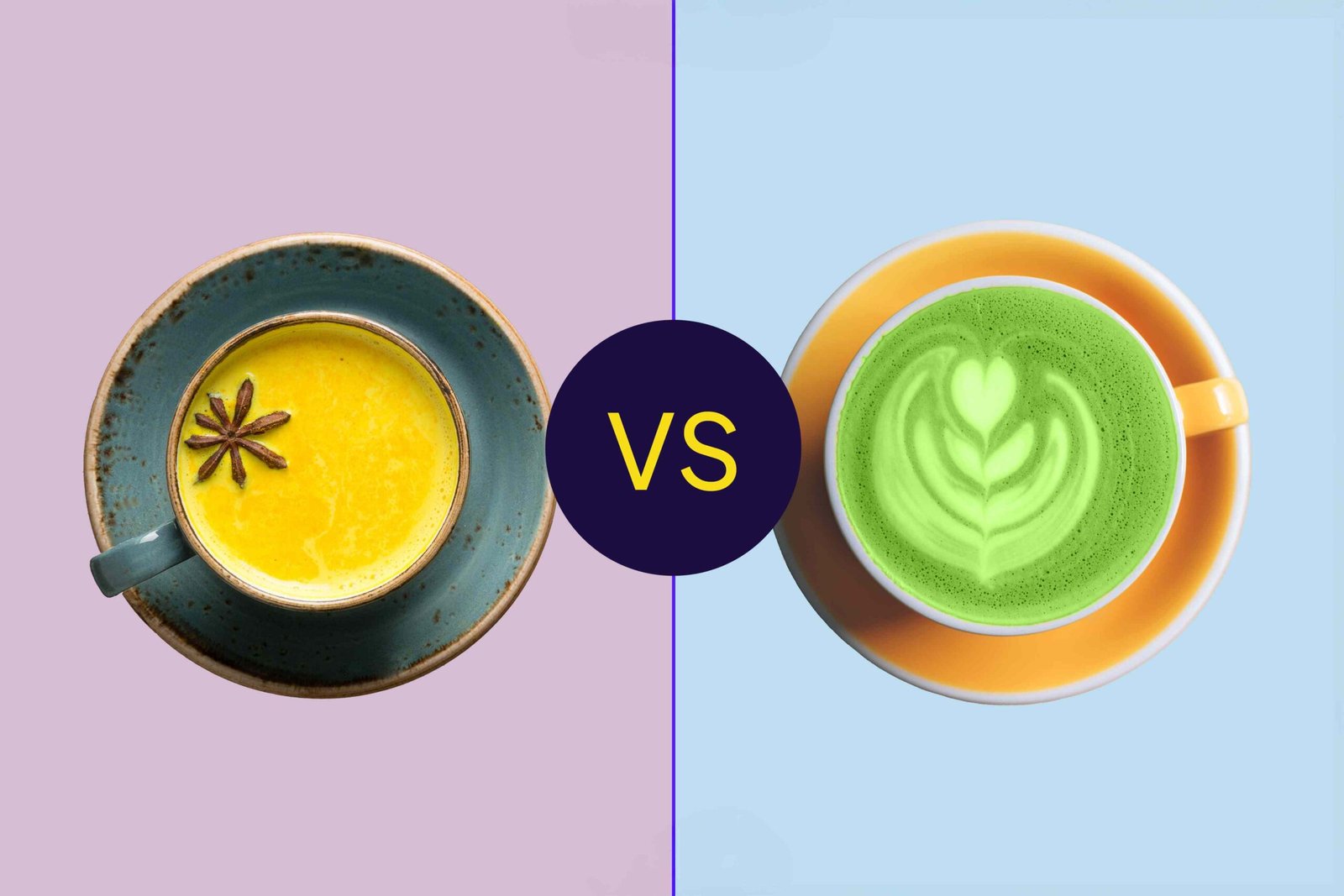
Turmeric lattes and matcha are tasty beverages loaded with antioxidants and anti-inflammatory compounds that may benefit your long-term health.
Turmeric’s primary compound, curcumin, has strong antioxidant and anti-inflammatory effects. Inflammation is your body’s natural response to injury or infection, but long-term inflammation can be harmful and contributes to health conditions like arthritis, cancer, heart disease, and type 2 diabetes.
The anti-inflammatory properties of turmeric have been shown to support heart and joint health as well as digestion.
However, matcha also has some anti-inflammatory benefits. Matcha contains antioxidants called catechins. One potent catechin, epigallocatechin gallate (EGCG), reduces inflammation in your body. Regular consumption of EGCG supports heart and brain health, as well as metabolism.
Matcha contains caffeine, which provides a boost of energy. It also contains an amino acid called L-theanine, which promotes a feeling of calm and may improve focus and mood. This combination gives you steady energy without the jitters.
A turmeric latte is made using powdered turmeric root, while matcha is concentrated green tea powder. Here’s how they’re made:
- Turmeric latte: A turmeric latte, or golden milk, is a warm beverage made with turmeric and milk, or a plant-based milk alternative. The recipe usually includes sweeteners and spices such as ginger, cinnamon, cardamom, and black pepper.
- Matcha: Farmers grow green tea leaves in the shade to increase their nutrient levels before harvesting and grinding the dried leaves into a fine, bright green powder. You whisk this matcha powder into water or milk to create a warm or cold beverage.
Turmeric lattes and matcha both contain high levels of antioxidants and anti-inflammatory compounds, and either drink can be a part of a healthy, balanced diet.
A turmeric latte is an excellent choice if you want:
- Anti-inflammatory support: The curcumin in turmeric helps reduce joint pain and muscle stiffness.
- A relaxing evening routine: You can enjoy this warm beverage at night to help your body unwind.
- Better digestion: The spices in the latte help your body break down food and reduce bloating.
Matcha is an excellent choice if you want:
- Improved focus and alertness: The combination of caffeine and L-theanine keeps your mind sharp and attentive.
- Antioxidant support for heart health: The high levels of EGCG protect your arteries and manage cholesterol.
- Metabolic support: Drinking matcha before a walk or workout helps your body burn more fat.
No single drink is healthier than the other. Your choice depends on your flavor preferences and specific health goals.
The primary compound in turmeric, curcumin, gives turmeric lattes their bright yellow color. It has antioxidant and anti-inflammatory properties that can benefit your heart, metabolic, digestive, and brain health.
The human body does not absorb curcumin easily on its own. Mixing turmeric with the fat in milk and a pinch of black pepper helps your body absorb and use the curcumin more effectively.
Cognitive Function and Brain Health
Drinking turmeric lattes may support long-term mental clarity and brain health. Curcumin increases the levels of a protein called Brain-Derived Neurotrophic Factor (BDNF). This protein helps your brain grow new neurons and form stronger connections. Higher levels of BDNF improve your memory, helping you learn and retain new information.
When enhanced with black pepper to become more bioavailable, curcumin can cross the blood-brain barrier to directly reduce inflammation in the brain. This can help protect brain cells from age-related damage. Research shows curcumin may protect long-term brain health and reduce the risk or progression of age-related cognitive conditions, such as dementia and Alzheimer’s disease.
Joint Health
Regular intake of turmeric lattes may provide a natural way to manage joint pain and protect your joints from damage. Curcumin has strong anti-inflammatory properties that may reduce inflammation-related joint pain and stiffness. Studies show that turmeric extract works as effectively as some common over-the-counter pain relievers for osteoarthritis.
Turmeric also helps maintain physical mobility and flexibility by preventing cartilage breakdown. Cartilage is essential for protecting bones and joints.
Heart Health
Turmeric supports your heart by reducing inflammation and improving blood vessel function. In a 2017 study, adults who took curcumin for 12 weeks experienced improved endothelial function, meaning their blood vessels relaxed and dilated more easily. This helps your body maintain healthy blood pressure levels.
Turmeric also helps lower LDL cholesterol, or “bad” cholesterol, and may lower the risk of heart disease.
Digestive Support
Turmeric may help improve digestion and ease gas, bloating, and indigestion. Curcumin in turmeric stimulates bile production, a fluid that helps your digestive system break down fats and absorb nutrients from your food.
Curcumin also encourages the growth of beneficial bacteria in your gut. A healthy gut microbiome improves your digestion and strengthens your immune system. It also protects the lining of your intestines from irritation and inflammation.
Mood
Turmeric lattes may help boost your mood and reduce symptoms of anxiety and depression. Curcumin helps regulate the production of important mood-regulating neurotransmitters (brain chemicals) like serotonin and dopamine. Research suggests that curcumin may also reduce symptoms of depression and anxiety by reducing inflammation in the brain.
Metabolic Health
Curcumin helps your body manage blood sugar levels more effectively. It improves insulin sensitivity, allowing your cells to convert sugar into energy rather than storing it as fat. Its antioxidant effects also protect insulin-producing cells in the pancreas from damage. These effects reduce your risk of developing metabolic conditions, such as type 2 diabetes.
Matcha is loaded with catechins, specifically EGCG, which provide powerful antioxidant and anti-inflammatory effects. Research shows that matcha contains three times more EGCG than some loose-leaf green teas. These antioxidants protect your cells from environmental and aging-related damage. It also contains L-theanine, which is an amino acid that improves cognitive function.
Cognitive Function
Matcha contains caffeine and L-theanine, which may improve focus and keep you alert. The L-theanine in matcha increases alpha wave activity in your brain, promoting a sense of calm. The caffeine in matcha can help you stay focused without making you feel sleepy. Research shows that people who consume matcha perform better on tasks related to attention and memory.
Weight Management
Matcha may help with weight management by promoting fat burning and reducing appetite. It increases your metabolic rate, which is how quickly your body burns calories. A 2018 study found that women who drank matcha before a brisk walk burned more fat than those who did not.
The catechins in the tea signal your body to use fat stores for fuel. Matcha catchetins may also help you maintain a healthy weight by helping you feel fuller for longer and reducing appetite.
Metabolic Support
Matcha helps your body manage blood sugar levels. It improves insulin sensitivity, which helps your cells to use glucose (blood sugar) for energy. Studies show that the antioxidants in green tea powder can help prevent sharp rises in blood sugar and reduce the long-term risk of developing type 2 diabetes.
Heart Health
Matcha protects your cardiovascular system by improving your cholesterol profile. It lowers LDL cholesterol, which clogs your arteries, while helping maintain HDL “good” cholesterol levels. Research shows that people who drink green tea have a lower risk of heart disease and stroke.
The tea also helps manage your blood pressure by relaxing blood vessels and reducing overall stress on your heart.
