

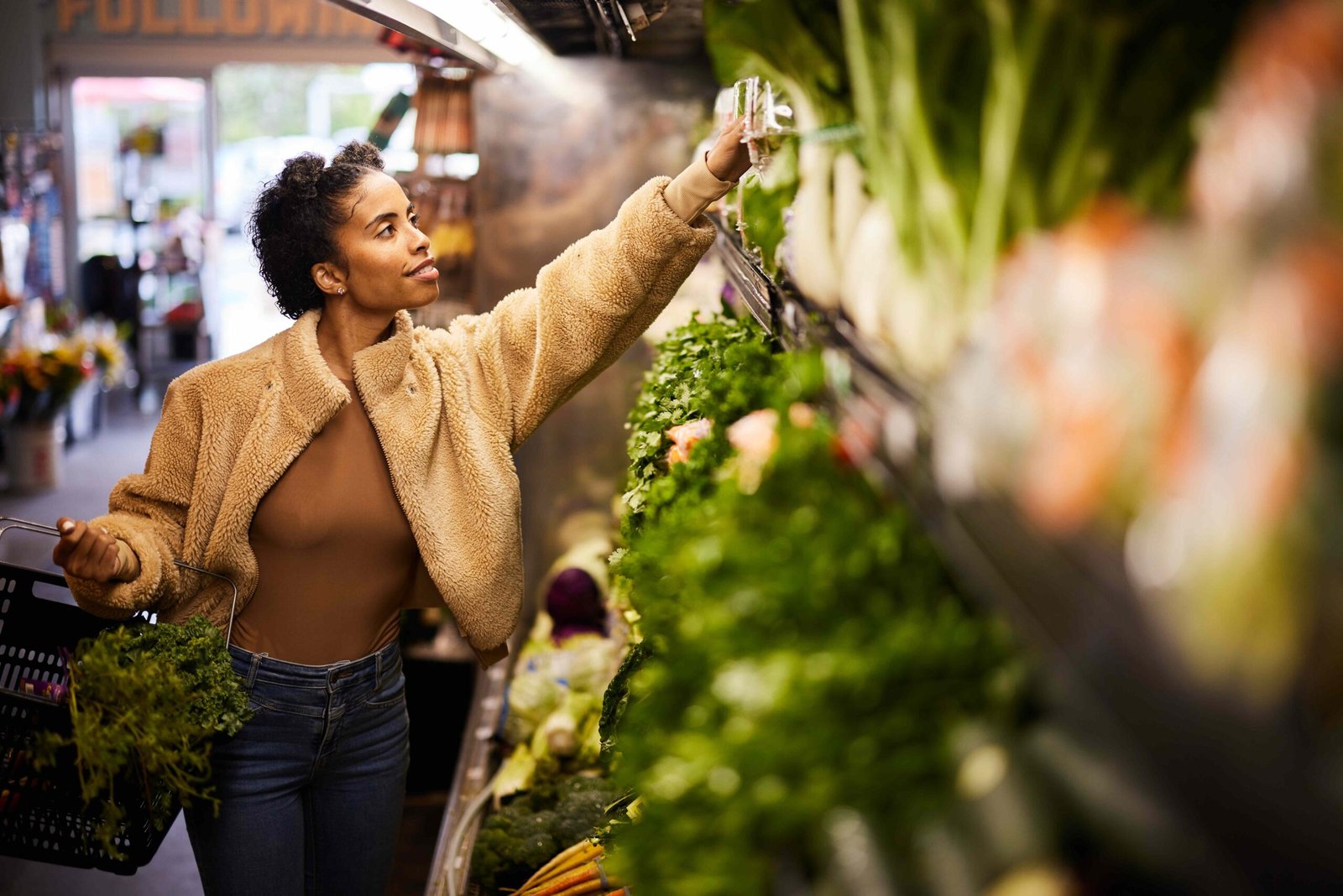
When you need more fiber in your diet, you have options other than whole grains, beans, and nuts. There are several vegetables that can help you meet your fiber goals, too.
HUIZENG HU / Getty Images
- Fiber content: 6.91 grams (g), about 25% of the Daily Value (DV)
- Serving size: A medium-sized raw artichoke, 128 g
You might not think to reach for an artichoke when filling your diet with fiber-rich foods, but the tender, earthy vegetable is a great source of the nutrient. Artichokes are also relatively low-carb, naturally low in sugar, and contain many beneficial minerals like potassium, iron, and zinc.
You can buy canned artichoke hearts to chop up and add to salads, pasta dishes, pizza, or dips. You can also roast whole artichokes and remove the fleshy parts from the leaves and center (the heart).
Westend61 / Getty Images
- Fiber content: 4.44 g, about 16% of the DV
- Serving size: A small- or medium-sized raw sweet potato, about 100 g
Sweet potatoes contain more sugar and carbs than many other vegetables, but they’re also bursting with vitamins, minerals, and fiber.
The average small-to-medium sweet potato with the skin off contains 19 milligrams of magnesium and 486 milligrams of potassium. If you leave the skin on, you get an extra boost of vitamins, minerals, and fiber.
M.A.Ortega / Getty Images
- Fiber content: 4.13 grams, about 15% of the DV
- Serving size: Half cup, raw
Green peas are considered a starchy vegetable, just like corn and white potatoes. Green peas have more fiber than other starchy veggies, though.
While fresh, frozen, or canned green peas will add fiber, protein, and calcium to your diet, try to choose fresh or frozen peas as much as possible. Canned peas often contain added salt and sugar, which makes them a slightly less healthful choice overall.
HUIZENG HU / Getty Images
- Fiber content: 4.08 g, about 15% of the DV
- Serving size: 85 g, about 1 cup, raw
Brussels sprouts are part of a food group called cruciferous vegetables, which are known for being high in not only fiber, but also vitamin C, folate, vitamin K, and antioxidants.
Brussels sprouts are no exception. Besides their fiber offerings, the veggie also contains 86 micrograms of folate and 85 milligrams of vitamin C, which almost completely supplies you with the daily recommended value of 90-120 milligrams.
If you’re not a fan of their flavor, try roasting or sautéing shredded or halved Brussels sprouts with a little olive oil and salt for a crispy, healthy side dish.
Diana Kehoe Photography / Getty Images
- Fiber content: 3.81 g, about 14% of the DV
- Serving size: 1 cup, raw
This richly-colored root veggie is brimming with vitamins and minerals like potassium, folate, and magnesium. It’s high in antioxidants called betalains, which repair and prevent cell damage.
Beets can be easily roasted and served as a side dish. They can also be blended into soups or dips, grated or chopped into salads and slaws, and even pickled for a bright, tangy pop of flavor in sandwiches or wraps.
Blanchi Costela / Getty Images
- Fiber content: 2.64 g, about 9% of the DV
- Serving size: 1 large raw carrot, about 85 g
On top of being a good source of fiber, carrots also have high amounts of an antioxidant called beta-carotene. This is what gives carrots their color and serves as a key dietary source of vitamin A.
There are many opportunities to add carrots to your diet. You can:
- Dip raw carrots in hummus or guacamole
- Grate or shred them into fresh salads or cole slaw
- Roast or saute them for a side dish
- Slice or dice them into soups, stews, and pasta dishes
You can even incorporate them into baked goods like morning glory muffins and carrot cake for a sweet treat with extra nutrients.
Helen Camacaro / Getty Images
- Fiber content: 1.82 g, about 7% of the DV
- Serving size: 1 cup
This cruciferous vegetable is also a good source of calcium, vitamin K, and vitamin C.
Broccoli is versatile. It could even have a place at the breakfast table—with a little shredded cheese and a serving of ham or bacon, you’ve got the makings of a filling, nutritious omelet on your hands.
Kilito Chan / Getty Images
- Fiber content: 1.69, about 6% of the DV
- Serving size: 2 cups, raw
Dark, leafy green vegetables like kale are a good source of fiber. Besides fiber, kale also has impressive amounts of dietary potassium (143 milligrams), vitamin C (38 milligrams), and calcium (105 milligrams).
Kale is easy to incorporate into your diet. Raw kale can be used in salads and green smoothies, while cooked kale can be added to soups, stews, and sauces.
There are two kinds of dietary fiber: soluble and insoluble. Both provide many health benefits for your body.
- Soluble fiber mixes with water in your digestive system and helps keep you feeling fuller for longer. It’s also been shown to benefit your heart, cholesterol, and blood sugar levels.
- Insoluble fiber passes through your digestive system, creating the bulk needed for regular bowel movements.
Experts recommend getting about 14 grams of fiber for every 1,000 calories. Because women and men need a different number of calories every day, this typically means women should aim for 25-28 grams of daily fiber, and men should aim for 28-34 grams of daily fiber.
The best way to add more fiber to your diet is through the foods you eat. Although fiber supplements can help, you won’t get the wide variety of beneficial vitamins, minerals, and nutrients that fiber-rich foods offer.
