
Close Menu
Fit and Healthy Weight

    Subscribe to Updates

    Get the latest creative news from FooBar about art, design and business.

    What's Hot

    I’m An RD In My 30s & This Is The Supplement I Take For Hydrated, Bouncier Skin

    February 14, 2026

    5 Best Cheesecake Factory Dishes, According to Fans

    February 14, 2026

    Inside ‘Roster Dating’: The Smartest—and Loneliest—Way to Date

    February 14, 2026
    Facebook X (Twitter) Instagram
    Facebook X (Twitter) Instagram
    Fit and Healthy Weight
    Saturday, February 14
    • Home
    • Diet
    • Mindset
    • Recipes
    • Reviews
    • Stories
    • Supplements
    • Tips
    • Workouts
    Fit and Healthy Weight
    Home»Diet»Is Endometriosis Hereditary?
    Diet

    Is Endometriosis Hereditary?

    By February 14, 2026No Comments3 Mins Read
    Share Facebook Twitter Pinterest LinkedIn Tumblr Reddit Telegram Email
    Is Endometriosis Hereditary?
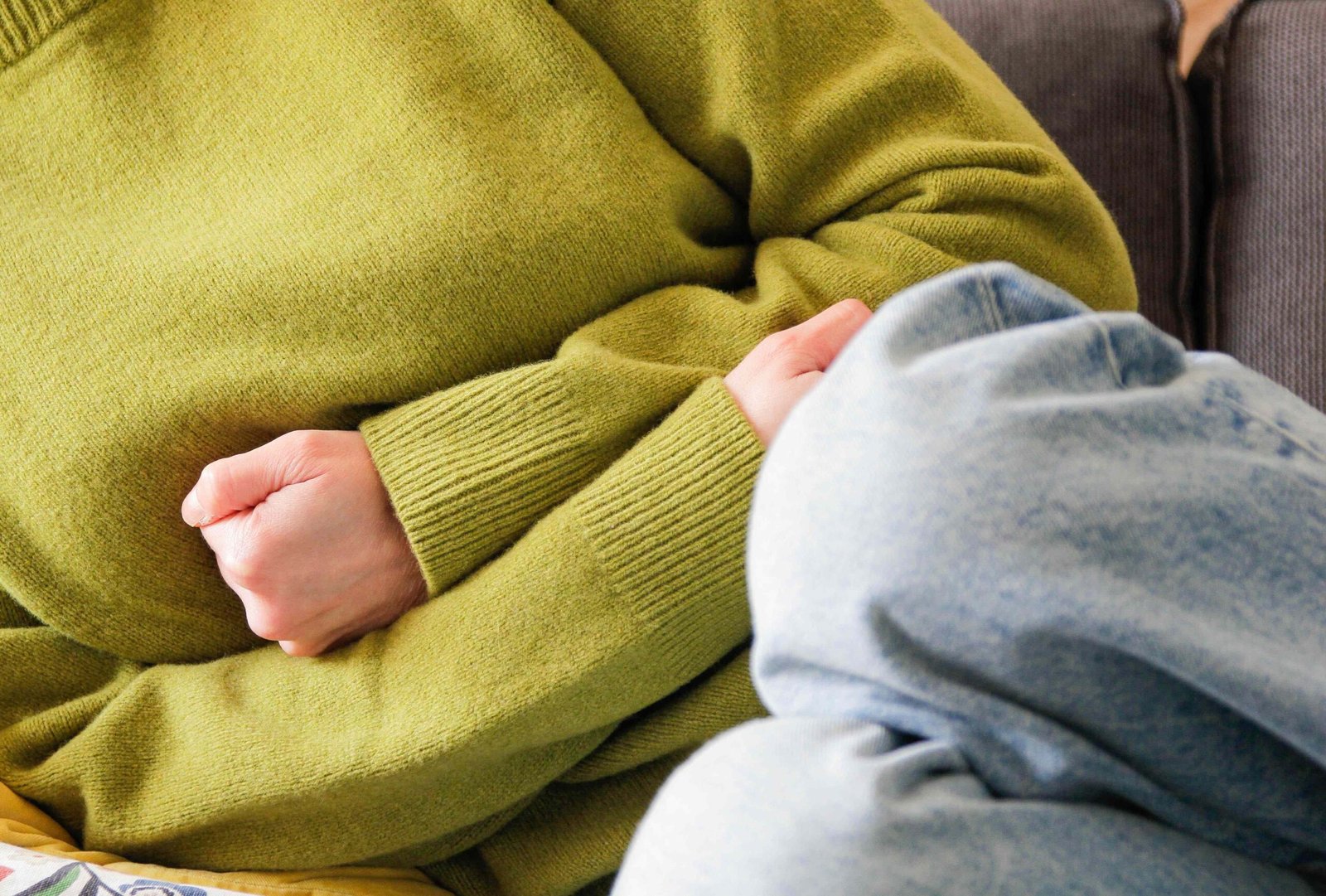
    Your risk of developing endometriosis is especially increased if an imemdiate family member has it.

    Kinga Krzeminska / Getty Images

    Share
    Facebook Twitter LinkedIn Pinterest Email


    Endometriosis can run in families, meaning your risk may be higher if a close relative has it. However, it is a complex condition influenced by multiple genes, hormones, and environmental factors.

    If a first-degree relative—your mother, sister, or daughter—has endometriosis, your chance of developing it is about 5-10 times higher than someone with no family history. 

    Endometriosis can also cluster among second-degree relatives, like your grandmothers and aunts. If multiple family members have endometriosis, your risk may be further increased. However, family history doesn’t mean you will definitely develop endometriosis.

    Endometriosis is a polygenic condition, meaning many genes, rather than a single gene, influence your risk. (In contrast, a mutation in one gene causes conditions like cystic fibrosis, where inheritance follows a more predictable pattern.)

    Researchers have identified more than 30 genetic areas that share a link to endometriosis. These differences affect how your body handles hormones, inflammation (irritation and swelling), and tissue growth. When several genetic differences occur together, your risk for endometriosis rises.

    Twin studies offer another way to understand genetic influence. Identical twins share all their genes, while fraternal twins share about half. If one identical twin has endometriosis, the other develops it about 20% of the time. In fraternal twins, the rate is closer to 10%. These findings suggest that genetics matter, but it is only part of the picture. Scientists estimate that genetics account for about half of the risk of endometriosis. 

    If you have a family history, watch for these signs and symptoms of endometriosis that warrant a conversation with your healthcare provider:

    • Chronic pelvic pain (the area between your hips)
    • Difficulty getting pregnant
    • Digestive symptoms (belly pain, bloating, constipation, diarrhea, or nausea)
    • Thigh or lower back pain
    • Pain during sex (typically a deep pain)
    • Painful bowel movements (pooping) or urination (peeing)
    • Rectal bleeding
    • Severe menstrual cramps

    Besides family history, factors like hormones, immune function, and your environment can play a role in whether you develop endometriosis. 

    Your chance of developing endometriosis increases if you have:

    • A condition that interferes with normal menstrual flow, such as uterine fibroids
    • Early onset of periods (before age 11)
    • Estrogen dominance or progesterone resistance 
    • Heavy or long periods that last more than seven days
    • Low body mass index (BMI) 
    • Never been pregnant
    • Short menstrual cycles (less than 27 days)
    • Chronic stress
    • Exposure to hormone-disrupting chemicals

    If endometriosis runs in your family or your symptoms persist, these next steps can help you move forward with care:

    • Get another opinion: If your provider does not address your concern, consider a second opinion or a referral to an endometriosis specialist. 
    • Share your family history with your provider: Include which close relatives have endometriosis or symptoms of endometriosis.
    • Track your symptoms: Note pain locations and levels, cycle patterns, period bleeding amounts, and how symptoms impact your life.
    • Discuss potential treatments: Ask your provider if hormonal birth control, prescription nonsteroidal anti-inflammatory drugs (NSAIDs) like Ponstel (mefenamic acid), or other treatments are an option for you.
    Endometriosis Hereditary
    Share. Facebook Twitter Pinterest LinkedIn Tumblr Email
    Previous ArticleWhat Is Psoriasis? 
    Next Article Inside ‘Roster Dating’: The Smartest—and Loneliest—Way to Date

      Related Posts

      Diet

      18 Foods With More Protein Than an Egg

      February 14, 2026
      Diet

      6 Things That Can Happen to Your Body If You Take Protein Powder Every Day

      February 14, 2026
      Diet

      A Guide To The Diabetic Diet

      February 13, 2026
      Add A Comment
      Leave A Reply Cancel Reply

      Top Posts

      New Research Shows Eggs Don’t Raise Your Cholesterol—But Here’s What Does

      August 1, 20256 Views

      6 Best Weightlifting Belts of 2025, According to Trainers

      July 3, 20255 Views

      What happened when I started scoring my life every day | Chris Musser

      January 28, 20262 Views
      Stay In Touch
      • Facebook
      • YouTube
      • TikTok
      • WhatsApp
      • Twitter
      • Instagram
      Latest Reviews
      Tips

      When Is the Best Time to Eat Dinner for Your Health?

      adminJuly 1, 2025
      Diet

      This Intermittent Fasting Method Outperformed the Rest—But There’s a Catch

      adminJuly 1, 2025
      Workouts

      ‘Neckzilla’ Rubel Mosquera Qualifies for 2025 Mr. Olympia After Flex Weekend Italy Pro Win

      adminJuly 1, 2025

      Subscribe to Updates

      Get the latest tech news from FooBar about tech, design and biz.

      Most Popular

      When Is the Best Time to Eat Dinner for Your Health?

      July 1, 20250 Views

      This Intermittent Fasting Method Outperformed the Rest—But There’s a Catch

      July 1, 20250 Views

      Signs, Identification, Impact, and More

      July 1, 20250 Views
      Our Picks

      I’m An RD In My 30s & This Is The Supplement I Take For Hydrated, Bouncier Skin

      February 14, 2026

      5 Best Cheesecake Factory Dishes, According to Fans

      February 14, 2026

      Inside ‘Roster Dating’: The Smartest—and Loneliest—Way to Date

      February 14, 2026
      Recent Posts
      • I’m An RD In My 30s & This Is The Supplement I Take For Hydrated, Bouncier Skin
      • 5 Best Cheesecake Factory Dishes, According to Fans
      • Inside ‘Roster Dating’: The Smartest—and Loneliest—Way to Date
      • Is Endometriosis Hereditary?
      • What Is Psoriasis? 
      Facebook X (Twitter) Instagram Pinterest
      • About Us
      • Contact Us
      • Disclaimer
      • Privacy Policy
      • Terms and Conditions
      © 2025 Fit and Healthy Weight. Designed by Pro.

      Type above and press Enter to search. Press Esc to cancel.