

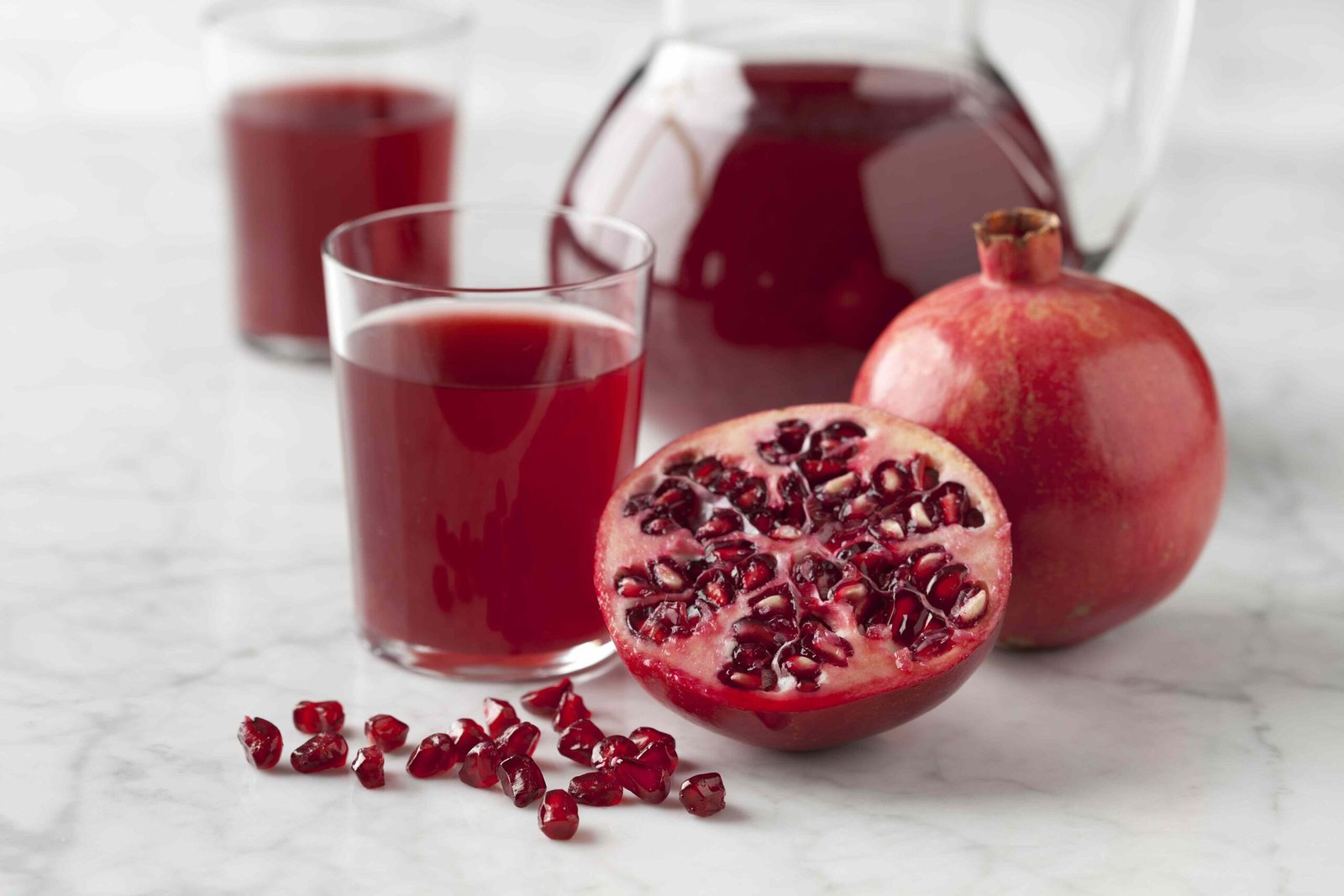
Pomegranates aren’t just delicious—their tart juice offers powerful health benefits. Rich in antioxidants like polyphenols and nitrates, research has found that the juice may help regulate blood pressure and aid in post-workout recovery.
Very few studies have tested the ideal times to drink pomegranate juice. However, experts typically recommend drinking it daily for blood pressure and heart health.
“For heart health, pomegranate juice can be taken any time,” John Rinker, MD, internal medicine physician at OSF Healthcare, told Health, “but having it with breakfast or another meal helps with absorption and keeps blood sugar steady.”
Studies show that consistency—not timing—matters most. In one clinical trial, the benefits of pomegranate juice on blood pressure were reported to accumulate over days and weeks, not hours, and plateau after two months.
Pomegranate contains powerful antioxidants that can reduce oxidative stress and inflammation in the arteries. This may help modestly lower systolic blood pressure and reduce artery stiffness.
“Pomegranate juice also contains natural nitrates, which contribute to nitric oxide production—a key factor in maintaining healthy blood flow, circulation, and blood pressure regulation,” registered dietitian Emily LaBombard, MPH, RDN, LDN, told Health.
Try it: Drink a daily cup of pomegranate for a few weeks—with or without meals, in the morning or at night—to see what works best for you. But remember: The juice is not a replacement for blood pressure medication. People with preexisting hypertension (high blood pressure) and those who take blood pressure medications, heart medications, or blood thinners should talk to their doctor first since “pomegranate juice can slightly enhance their effects in some individuals,” said Rinker.
“Pomegranate juice has been studied in athletes to facilitate post-exercise muscle recovery,” Deepak Vivek, MD, interventional cardiologist at Orlando Health Heart and Vascular Institute, told Health.
When you exercise, your body naturally increases oxidative stress (in a good way), but sometimes an imbalance can occur. However, the antioxidants in pomegranate can help reduce that oxidative load, repairing and protecting your muscle cells from damage.
One review noted potential benefits when pomegranate supplementation happened “during or following exercise.” Based on this finding, it may be helpful to wait until after your workout to drink pomegranate juice to help decrease muscle soreness and improve strength recovery—especially after intense exercise, said Rinker.
However, you may also choose to drink it before a workout to support blood flow, Rinker and Vivek added.
Try it: Post-workout—about one or two hours after exercise—is a “logical time” to drink pomegranate juice, but no matter when you choose to drink it, you’ll reap its health benefits. “It’s not a magic solution, but it can be a useful addition to post-workout nutrition, similar to tart cherry juice,” said Rinker.
“A daily serving of 4-8 ounces of 100% pomegranate juice is ideal for most people,” said Rinker. This amount will provide all the nutritional benefits without overdoing it on the sugar content (an 8-ounce serving of 100% pomegranate juice has about 31 grams of sugar and 134 calories).
If sugar is still a concern for you, try diluting pomegranate juice with water or sparkling water, LaBombard said. Or, try eating a serving of whole pomegranate seeds instead, which aren’t as concentrated as juice—one cup contains around 20 grams of sugar.
Drinking it with a meal that includes fiber, fat, and protein could also be helpful, according to Sarah Glinski, RD, a registered dietitian specializing in gut health, told Health.
When in doubt, a registered dietitian can recommend a proper serving size to accommodate your overall health and needs.
A few groups should be mindful before drinking pomegranate juice every day, including:
- People with diabetes
- People taking blood thinners like Warfarin blood pressure medications, or heart medications like ACE inhibitors, ARBs, or potassium-sparing diuretics
- People with kidney disease (since pomegranates contain potassium)
- People with gastrointestinal sensitivities (too much juice can cause upset)
- People with certain food allergies
If any of the above apply to you, talk to your doctor for specific guidance and recommendations.
