
Close Menu
Fit and Healthy Weight

    Subscribe to Updates

    Get the latest creative news from FooBar about art, design and business.

    What's Hot

    Is it true that … you have five seconds’ grace after dropping food on the floor? | Health & wellbeing

    June 15, 2026

    5 Exercises You Should Do In The Morning, According To Experts

    June 14, 2026

    NHS staff battling wave of food supplement disinformation | NHS

    June 14, 2026
    Facebook X (Twitter) Instagram
    Facebook X (Twitter) Instagram
    Fit and Healthy Weight
    Monday, June 15
    • Home
    • Diet
    • Mindset
    • Recipes
    • Reviews
    • Stories
    • Supplements
    • Tips
    • Workouts
    Fit and Healthy Weight
    Home»Tips»Manage Symptoms and Prevent Future Episodes
    Tips

    Manage Symptoms and Prevent Future Episodes

    By January 31, 2026No Comments3 Mins Read
    Share Facebook Twitter Pinterest LinkedIn Tumblr Reddit Telegram Email
    The IgAN Post-Infection Flare: Your Step-by-Step Action Plan
    Share
    Facebook Twitter LinkedIn Pinterest Email

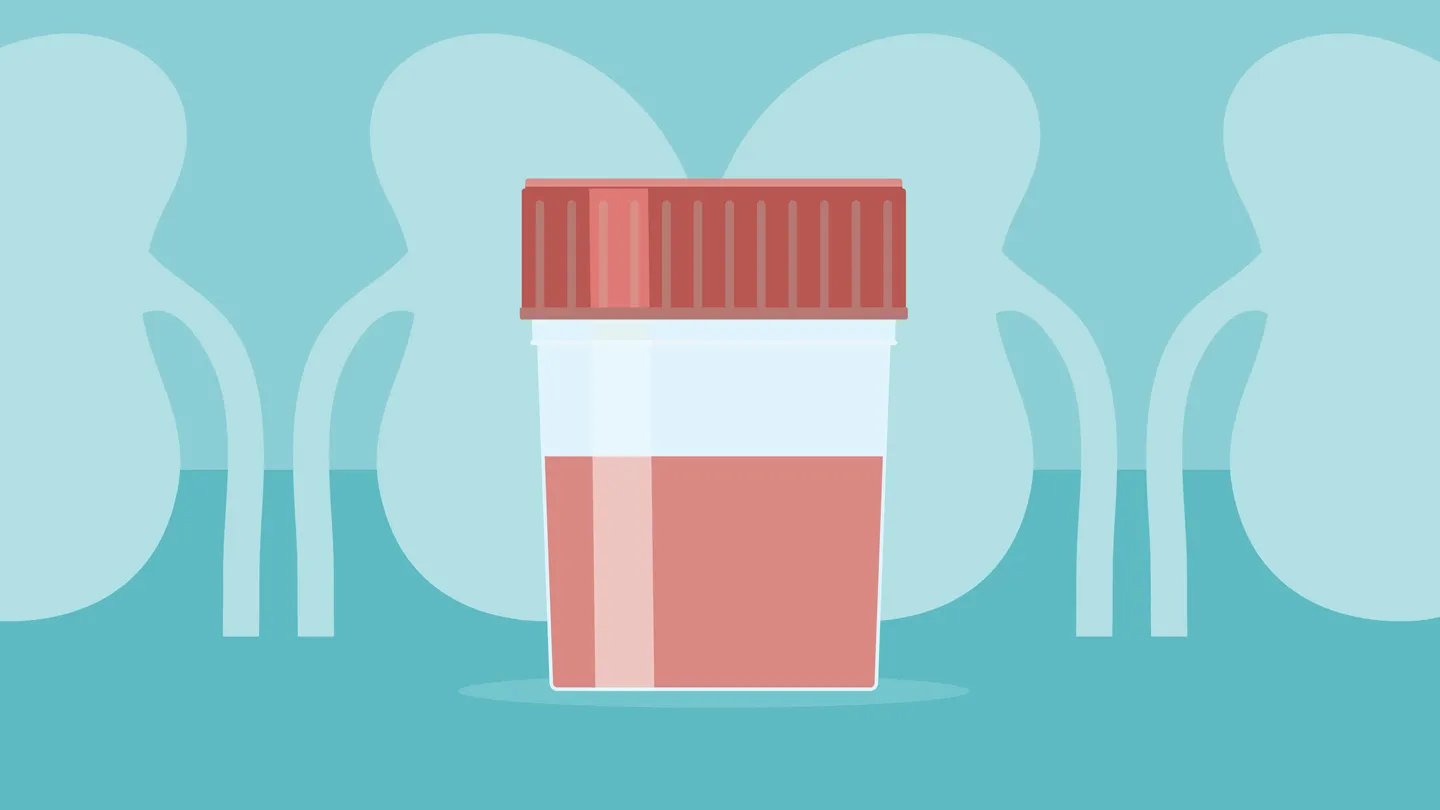
    If you notice blood in your urine, early action can protect your kidneys and give your healthcare team the information they need to manage your care. Here’s what to do during the first 24 hours.

    Step 1: Notify Your Nephrology Team Immediately

    Don’t ignore it, says Diaz. Call your nephrologist as soon as you notice a change in urine color, especially if this is the first time it’s happened or if the flare feels more severe than previous ones, she says. Reporting this early allows your medical team to determine if you need to be seen in person and if additional testing is needed.

    Step 2: Stay Calm

    It’s natural to feel distressed, but try to remember that visible blood in the urine during or shortly after an infection is not unusual in IgAN, says Diaz.

    Step 3: Hydrate Generously (Unless Your Provider Has Told You Otherwise)

    Drinking plenty of fluids helps flush red blood cells through the kidneys’ filtering tubes, which can prevent blockages that might cause further kidney injury, says Dr. Zhdanova. But if you’ve been given fluid limits because of other health issues, follow your provider’s guidance, says Diaz.

    Step 4: Avoid Non-Steroidal Anti-Inflammatory Drugs (NSAIDs)

    Avoid NSAIDs, such as ibuprofen (Advil, Motrin) and naproxen (Aleve), for fever or aches, as these can further reduce blood flow to already inflamed kidneys.

    [10]

     Stick to acetaminophen if needed, Zhdanova says, or ask your nephrologist what medication is safe to use.

    Step 5: Monitor Your Blood Pressure

    “A flare can cause a sudden spike in blood pressure. If it’s significantly higher than your baseline, it indicates the kidneys are under acute stress and need medical intervention,” says Zhdanova. If you have a home blood pressure monitor, take a reading and write down the number and the time. If you don’t, many pharmacies, clinics, and urgent care centers offer blood pressure checks. Keep a log of these readings to share with your care team.

    Step 6: Document Your Symptoms

    Diaz recommends noting the color of your urine, when you first noticed the change, and if you see any blood clots. You should also pay attention to how much you’re urinating. If you’re making significantly less urine despite drinking plenty of fluids, it could indicate acute kidney injury (AKI), which is a sudden drop in kidney function, says Zhdanova, and you should notify your care team right away.

    Let your nephrologist know about other symptoms, such as fever, discomfort on your side or back, sudden weight gain, fatigue, or swelling in your ankles, hands, or face. This information helps your team determine the best treatment course.

    When to Seek Emergency Care

    Most IgAN flares can be managed at home with guidance from your nephrology team, but some symptoms need immediate medical attention. Diaz recommends getting emergency care right away if you experience:

    • Very little urination or no urination at all
    • Severe back or abdominal pain
    • Large blood clots in your urine
    • Shortness of breath
    • Chest pain
    • Rapid swelling in your face, legs, or around your eyes
    • Blood pressure readings that are higher than your normal range
    • Nausea and vomiting

    “These symptoms may indicate acute kidney injury, fluid overload, or other serious complications requiring immediate attention and treatment,” says Diaz.

    Episodes future Manage Prevent Symptoms
    Share. Facebook Twitter Pinterest LinkedIn Tumblr Email
    Previous ArticleWhat Happens to Your Mood When You Take Omega-3s Regularly
    Next Article Parent-Child Interaction Therapy: Definition, Techniques, and Efficacy

      Related Posts

      Stories

      ‘My partner’s mum is cruel towards him and I worry how she’ll be with our future kids’ | Family

      June 7, 2026
      Stories

      I’m 21 and anxious about the future. How do I take care of myself without living in a bubble? | Australian lifestyle

      May 21, 2026
      Stories

      What’s Dead Glute Syndrome, And How To Prevent It?

      May 19, 2026
      Add A Comment
      Leave A Reply Cancel Reply

      Top Posts

      New Research Shows Eggs Don’t Raise Your Cholesterol—But Here’s What Does

      August 1, 20256 Views

      6 Best Weightlifting Belts of 2025, According to Trainers

      July 3, 20255 Views

      Which Is Better for Sleep?

      February 7, 20264 Views
      Stay In Touch
      • Facebook
      • YouTube
      • TikTok
      • WhatsApp
      • Twitter
      • Instagram
      Latest Reviews
      Tips

      When Is the Best Time to Eat Dinner for Your Health?

      adminJuly 1, 2025
      Diet

      This Intermittent Fasting Method Outperformed the Rest—But There’s a Catch

      adminJuly 1, 2025
      Workouts

      ‘Neckzilla’ Rubel Mosquera Qualifies for 2025 Mr. Olympia After Flex Weekend Italy Pro Win

      adminJuly 1, 2025

      Subscribe to Updates

      Get the latest tech news from FooBar about tech, design and biz.

      Most Popular

      When Is the Best Time to Eat Dinner for Your Health?

      July 1, 20250 Views

      This Intermittent Fasting Method Outperformed the Rest—But There’s a Catch

      July 1, 20250 Views

      Signs, Identification, Impact, and More

      July 1, 20250 Views
      Our Picks

      Is it true that … you have five seconds’ grace after dropping food on the floor? | Health & wellbeing

      June 15, 2026

      5 Exercises You Should Do In The Morning, According To Experts

      June 14, 2026

      NHS staff battling wave of food supplement disinformation | NHS

      June 14, 2026
      Recent Posts
      • Is it true that … you have five seconds’ grace after dropping food on the floor? | Health & wellbeing
      • 5 Exercises You Should Do In The Morning, According To Experts
      • NHS staff battling wave of food supplement disinformation | NHS
      • Bran flakes could be classed as junk food under new healthy eating guidelines | Food & drink industry
      • 8 Strength-Building Exercises That Don’t Require Lifting Weights
      Facebook X (Twitter) Instagram Pinterest
      • About Us
      • Contact Us
      • Disclaimer
      • Privacy Policy
      • Terms and Conditions
      © 2025 Fit and Healthy Weight. Designed by Pro.

      Type above and press Enter to search. Press Esc to cancel.