

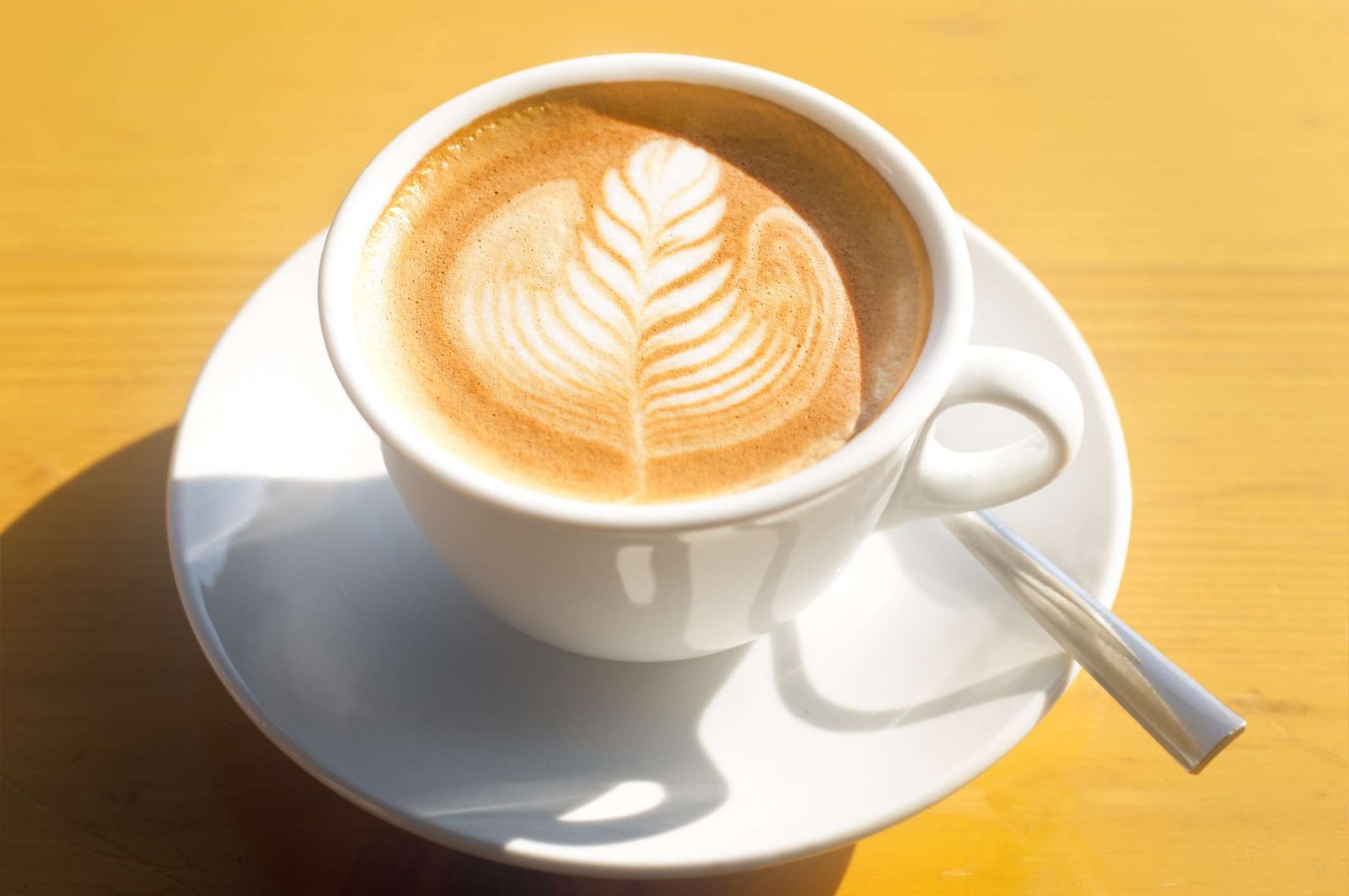
Caffeine lasts in your system for as long as 10 hours after you drink it. Various factors, including what beverage you had, can influence its effects.
Caffeine is absorbed pretty quickly into your system, usually within 45 minutes of consuming it.
“Peak caffeine levels are seen between 15 minutes and up to two hours, depending on the person’s individual absorption and reaction,” Kelly Jones, MS, RD, CSSD, board-certified sports dietitian, told Health. It kind of depends on whether you consume it with other foods.
In healthy people, the half-life of caffeine is about five hours, meaning it will take you, on average, around five hours to clear out 50% of the caffeine you consumed from your body.
Many factors affect how quickly your body metabolizes caffeine. Examples include age, sex, pregnancy status, obesity, smoking, and more.
Some people are more sensitive to caffeine than others. This is because of genetic variations in enzymes responsible for breaking down caffeine in your liver.
The caffeine content found in your favorite coffee drinks varies significantly.
Larger doses of caffeine take your body longer to metabolize. This is why you’re likely to feel more energized after downing a double-shot latte compared to a cup of green tea.
Here’s the caffeine content of some of your favorite tea and coffee drinks:
- A shot (1 ounce) of espresso: around 64 milligrams (mg)
- A cup (248 grams) of black coffee: 91.8 mg
- A double-shot latte: 127 mg
- A grande Starbucks matcha latte: 65 mg
- A small Dunkin’ Donuts cappuccino: 118 mg
- A grande Starbucks cold brew: 205 mg
The caffeine content of drinks varies significantly depending on their specific ingredients and size. For example, a small cappuccino from Dunkin’ Donuts contains 118 milligrams of caffeine, while a large one contains 252 milligrams.
Tip: If you’re sensitive to caffeine, pair your coffee with some food to slow its absorption into your bloodstream.
Tea generally contains less caffeine than coffee. A cup of green tea has only 28 milligrams of caffeine, while a cup of black tea contains around 47 milligrams on average.
Tea also contains compounds that may ease anxiety, like L-theanine. This amino acid acts on your central nervous system to relieve symptoms of stress and anxiety.
This is why sipping on a cup of matcha may provide a more calming energy than a cup of coffee.
If you’re sensitive to caffeine, try herbal teas, like peppermint or chamomile tea, which are naturally free from caffeine. They are good options for those who want to avoid caffeinated beverages.
Having too much caffeine can lead to side effects like anxiety, rapid heartbeat, agitation, and trouble sleeping.
- It’s recommended that adults limit their caffeine intake to less than 400 milligrams per day to avoid overdosing.
- People who are sensitive to caffeine may want to limit themselves to just a cup or two of caffeinated coffee or tea per day to avoid side effects like sleeping issues and jitteriness.
- Because caffeine stays in your system for so long, it’s recommended to avoid drinking caffeinated drinks, like coffee, before bedtime.
