

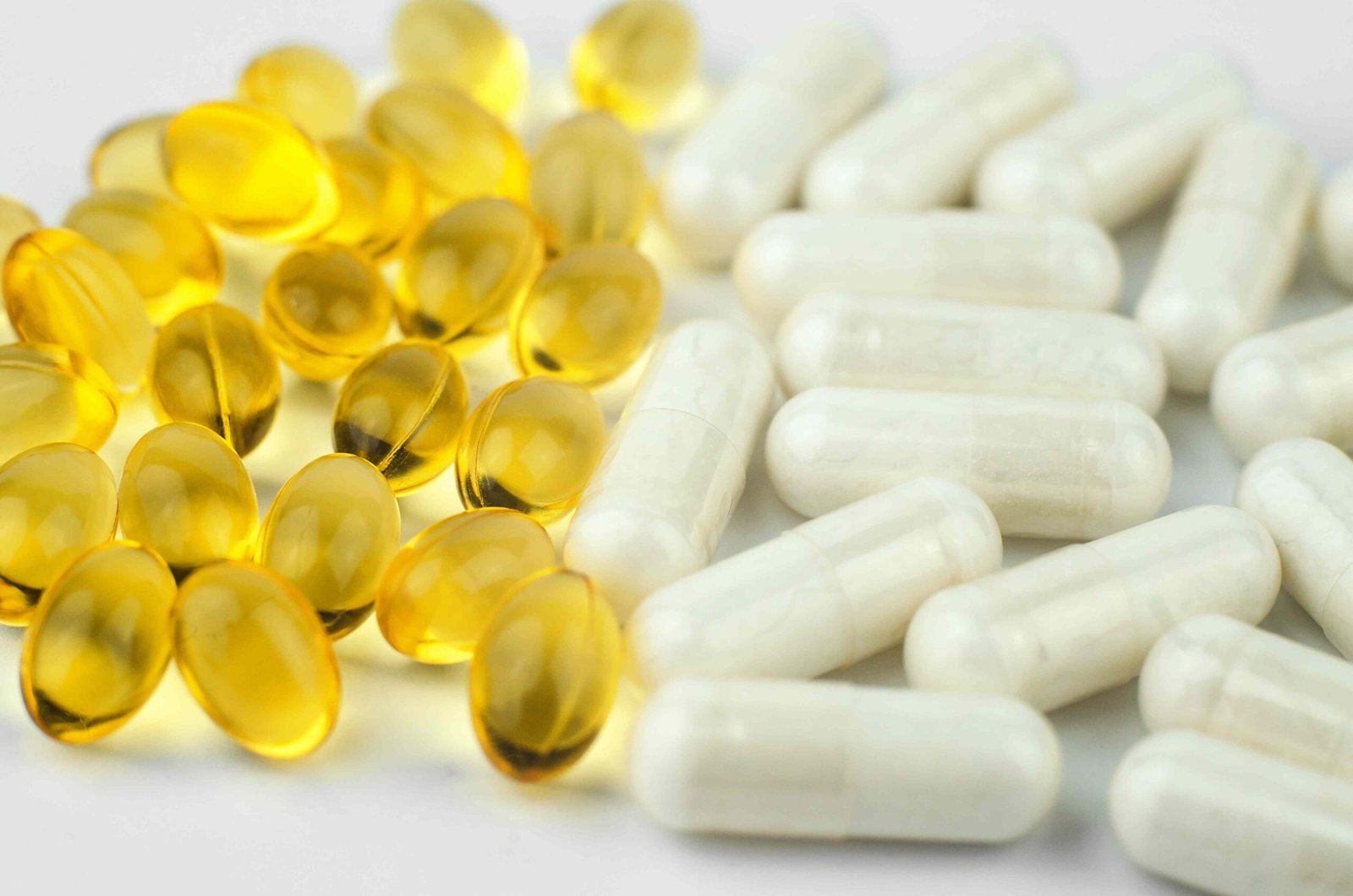
Magnesium and omega-3s uniquely influence brain health. Omega-3s contribute to brain development, while magnesium supports mood and stress management.
Though omega-3s play a more direct role in brain development, both omega-3s and magnesium are needed for proper brain function, mood regulation, and more.
Having low levels of magnesium and omega-3s has been linked with depression. Plus, magnesium and omega-3s also regulate inflammation in the brain, which can protect against neurodegenerative diseases like dementia.
Magnesium supports normal brain function and helps regulate inflammation in the brain. This can lead to benefits including:
- Protection against brain inflammation and disease: Magnesium deficiency is linked to chronic, low-grade brain inflammation, which can increase the risk of neurodegenerative diseases such as Alzheimer’s and Parkinson’s. People with these conditions tend to have lower magnesium levels than people without them.
- Better stress and mood regulation: Magnesium plays a role in stress response. Low levels can increase stress, which can negatively impact mental health and lead to mood changes, anxiety, and depression.
- Support for healthy sleep: Maintaining optimal magnesium levels can improve sleep quality, which is essential for healthy brain function.
Omega-3s may protect against cognitive decline and support brain function, especially in older adults. Here are a few ways they affect brain health:
- Support brain development: Omega-3s are necessary for fetal brain development; it’s recommended that pregnant women supplement with omega-3s to maintain optimal levels of DHA and EPA. Omega-3s are also essential for brain health throughout life.
- Regulate brain inflammation: Omega-3s are essential for regulating brain inflammation, which is critical for overall brain health and reducing the risk of neurodegenerative diseases. Low levels of omega-3s are linked with several neurological conditions, including attention-deficit/ hyperactivity disorder (ADHD), autism, bipolar disorder, depression, and dementia.
- Protect against cognitive decline: Supplementation with DHA may reduce cognitive decline in people with mild cognitive impairment, and supplementation with EPA and DHA may slow cognitive aging in people with healthy brains.
- Improve brain function: Omega-3 supplements can improve attention and memory in older adults and children.
- May reduce depression symptoms: Omega-3 supplementation may have beneficial effects on depressive symptoms.
Good sources of magnesium include spinach, pumpkin seeds, Swiss chard, chia seeds, black beans, and almonds.
Seafood is the main source of DHA and EPA omega-3 fatty acids. EPA and DHA are concentrated in fish and shellfish like salmon, herring, sardines, and oysters.
In addition to dietary sources, omega-3s and magnesium are available in supplement form. Omega-3 supplements usually provide 500-1,200 milligrams (mg) of combined EPA and DHA per serving.
Magnesium supplements typically contain 100-150 milligrams of magnesium per capsule or pill. There are multiple forms of magnesium. Magnesium citrate, acetyl taurate, glycinate, L-threonate, and malate are better absorbed than other forms, like magnesium oxide and sulfate.
Magnesium and omega-3 supplements are considered safe and aren’t associated with many adverse side effects. But it’s important that you don’t take too much of either supplement.
Omega-3s: The United States Food and Drug Administration (FDA) recommends keeping your combined EPA and DHA intake to 3 grams (g) per day, with no more than 2 grams per day coming from supplements. Higher doses could suppress your immune system and inhibit blood clotting, which can lead to bleeding issues.
Magnesium: While consuming high levels of magnesium through food is safe, you can consume too much magnesium from supplements. The Tolerable Upper Intake Level (UL) for magnesium from supplements is 350 milligrams daily. Too much supplemental magnesium can lead to side effects like diarrhea and abdominal cramps. Very high doses of supplemental magnesium can lead to magnesium toxicity, which can be fatal. However, this is rare.
