

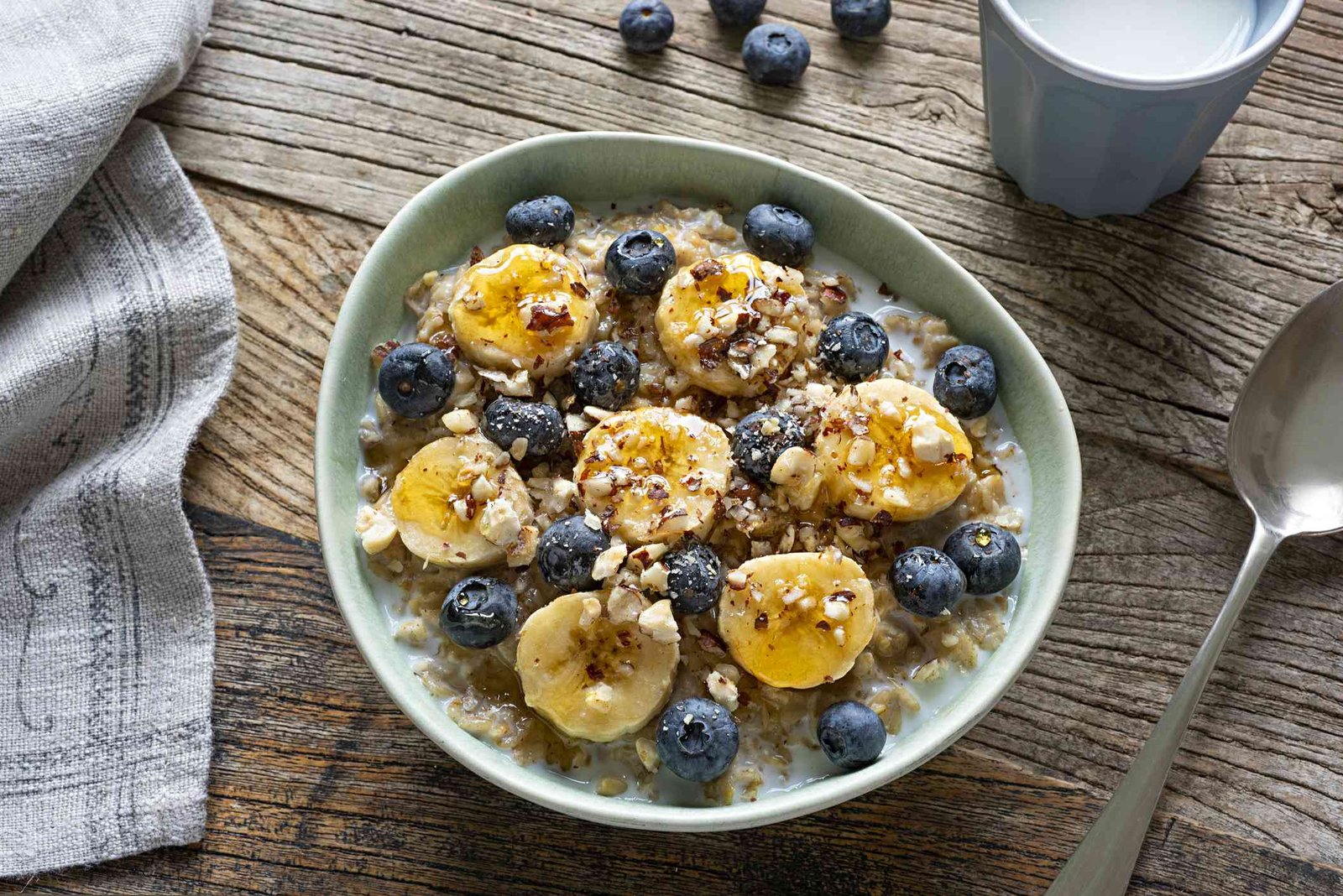
A cup of oatmeal has about 4 grams of fiber. There are other foods that provide even more fiber, a nutrient that promotes fullness and supports digestive health.
SimpleImages / Getty Images
Fiber: 15.6 grams per cup
One cup of lentils provides 15.6 grams of fiber and 17.9 grams of plant-based protein. They are also high in iron, magnesium, folate, zinc, and potassium.
Fiber and protein slow digestion. They stimulate the release of satiety hormones, which help you feel full after eating.
Tip: Mix lentils into savory oatmeal to easily boost your fiber intake.
Oscar Wong / Getty Images
Fiber: 13.5 grams per avocado
One avocado (201 grams) has 13.5 grams of fiber, which meets 48% of your daily needs. Unlike most fruits, avocados are low in carbohydrates.
Avocados are also high in vitamins E and C, magnesium, and folate.
Tip: Top savory oatmeal with sliced avocado or enjoy avocado toast for variety.
Raul Ortin / Getty Images
Fiber: 9.69 grams per cup
Artichokes offer nearly 10 grams of fiber per cup. They also provide magnesium and potassium, both beneficial for heart health.
Choose foods rich in fiber, magnesium, and potassium. These nutrients help lower your risk of heart disease.
Tip: Add to savory oats or mix into breakfast dishes like omelets.
Rocky89 / Getty Images
Fiber: 8 grams per ounce
Cacao nibs provide high amounts of fiber and minerals like magnesium, manganese, and copper.
They are also high in flavonoid antioxidants, like catechin and epicatechin. Antioxidants help protect your cells from damage.
Tip: Sprinkle them on oats for a quick fiber boost.
Westend61 / Getty Images
Fiber: 15.4 grams per cooked cup
Pinto beans are one of the richest sources of fiber you can eat.
Pinto beans are high in protein, with 15.4 grams per cup. They also provide zinc, selenium, potassium, and magnesium.
Tip: Mix pinto beans into savory oats or include them in breakfast tacos for a protein boost.
HUIZENG HU / Getty Images
Fiber: 9.75 grams per ounce
Chia seeds are high in fiber and minerals like calcium, iron, manganese, selenium, and magnesium.
One ounce of chia seeds also packs magnesium. This mineral is needed for DNA synthesis, muscle contraction, nerve function, and blood pressure and blood sugar regulation.
Tip: Try making chia pudding for a blood sugar-friendly breakfast option.
alvarez / Getty Images
Fiber: 8 grams per cup
Raspberries are packed with fiber and are high in manganese, vitamin K, and vitamin C.
In addition to vitamin C, raspberries have other antioxidants that protect cells from oxidative damage.
Tip: Eating antioxidant-rich foods could lower the risk of conditions linked to oxidative damage, like heart disease and some cancers.
Michelle Lee Photography / Getty Images
Fiber: 7 grams per cup
Teff is an ancient grain high in fiber and protein. It has a low glycemic index of 36.7. This means it has less of an impact on blood sugar than other carbohydrates like white rice or bread.
Teff is naturally gluten-free, so it is a safe choice for people with celiac disease or non-celiac gluten sensitivity.
Tip: Try making a porridge with teff and topping it with berries and cacao nibs.
Claudia Totir / Getty Images
Fiber: 9 grams per cup
One cup of cooked acorn squash is a source of fiber. It is also high in magnesium, vitamin C, potassium, and vitamin A. Vitamin A is essential for vision, immune function, cognitive function, and reproduction.
Tip: Use acorn squash in savory oatmeal or add to dishes like frittatas and omelets.
Westend61 / Getty Images
Fiber: 5.62 grams per 2-tablespoon serving
If you want to add more fiber to your oatmeal or other breakfast dishes, consider sprinkling in flaxseeds.
Flaxseeds are high in magnesium, copper, and selenium. Selenium is a mineral important for immune and thyroid health. It also acts as a powerful antioxidant in your body.
Tip: Use whole or ground flaxseeds to top your oatmeal for extra fiber.
Fiber is important for digestive and heart health. It also helps you feel full after eating. Not getting enough fiber can increase your risk of heart disease, colon cancer, and constipation.
The amount of fiber you need each day depends on your age and sex:
- Women aged 18-50: 25-28 grams (g)
- Women aged 51 and older: 22 g
- Men aged 18-50: 31-34 g
- Men aged 51 and older: 28 g
To meet your daily fiber intake goals, include fiber-rich foods like fruits, vegetables, seeds, and beans at most meals and snacks.
