
Close Menu
Fit and Healthy Weight

    Subscribe to Updates

    Get the latest creative news from FooBar about art, design and business.

    What's Hot

    The unlikely appeal of barefoot hiking: ‘It makes you feel quite primal’ | Australian lifestyle

    April 6, 2026

    Dumbbell Leg Exercises After 55 That Build Muscle Fast

    April 6, 2026

    How to Deal If You’re Being Socially Excluded by Friends

    April 6, 2026
    Facebook X (Twitter) Instagram
    Facebook X (Twitter) Instagram
    Fit and Healthy Weight
    Monday, April 6
    • Home
    • Diet
    • Mindset
    • Recipes
    • Reviews
    • Stories
    • Supplements
    • Tips
    • Workouts
    Fit and Healthy Weight
    Home»Tips»How Often You Really Need To Wash Your Sheets
    Tips

    How Often You Really Need To Wash Your Sheets

    By January 2, 2026No Comments3 Mins Read
    Share Facebook Twitter Pinterest LinkedIn Tumblr Reddit Telegram Email
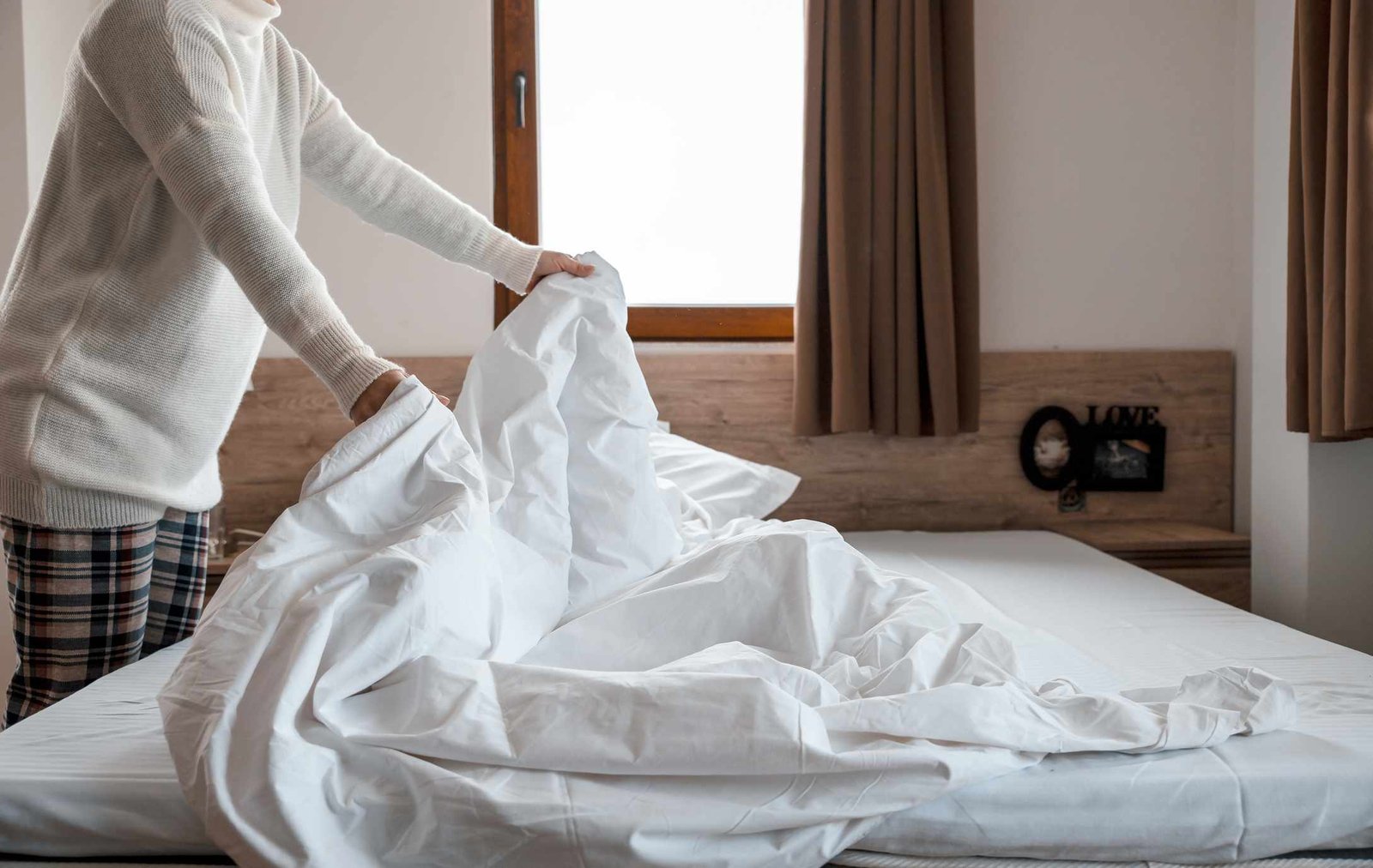
    How Often You Really Need To Wash Your Sheets
    Most people should change their sheets about once a week to prevent the buildup of dirt and oil.

    Biserka Stojanovic / Getty Images

    Share
    Facebook Twitter LinkedIn Pinterest Email


    Washing your sheets once a week can help keep your sleeping environment clean. Dirt, body oils, sweat, and dead skin cells accumulate on your bedding as you sleep. Bacteria, fungi, and dust mites can also build up and affect your health. 

    Researchers haven’t determined an exact frequency for washing your sheets. Still, because bedding gets dirty so quickly, it’s a good idea to wash your bed sheets every week. At most, you should wash your sheets every two weeks.

    You lose about nearly 1/2 teaspoon (1.5 grams) of dead skin cells every day—and a lot of that is left in your bed. Microscopic organisms called dust mites like to snack on dead skin cells. These dust mites will multiply in your bedding and can worsen allergies and asthma.

    Dirt and moisture from sweat, oils, and other bodily fluids on your sheets can also create the perfect environment for bacteria and fungi to grow.

    Pillowcases also collect buildup from hair products, acne-causing bacteria, and facial oils. If you use a lot of hair products or have sensitive, acne-prone skin, consider changing your pillowcases about twice a week, or flip your pillow to the other side halfway through the week.

    Duvet covers and comforters may only need to be washed about once a month, as they don’t directly collect the majority of dirt, oils, and skin cells.

    You may need to change your sheets more often due to the following lifestyle and health factors:

    • Allergies: Washing your sheets weekly can help remove dust mites that cause allergy symptoms.
    • Illness: Viruses and bacteria can linger on sheets for days or weeks. You should change your sheets immediately after recovery or as soon as you’ve soiled the bed with bodily fluids.
    • Skin infections: Contagious fungal infections, such as ringworm, and bacterial infections, like impetigo, can linger on fabric. If you have a skin infection, change your sheets more frequently to reduce the spread of germs. 
    • Night sweats: If you regularly sweat while you sleep, try changing your sheets every few days to prevent bacteria buildup that thrives in excess moisture. 
    • Sleeping naked: You may want to change your sheets more often if you sleep naked. Being nude transfers more bodily fluids and illness-causing bacteria like E.coli to your sheets.
    • Pets: Animals add dander, hair, and dirt into your sheets that may require a weekly or bi-weekly wash to ward off dust mites, grime, and bacteria.
    • Skincare and cosmetics: Regularly applying body oils, heavy lotions, or hair products can soak into your sheets, creating a buildup that needs to be washed at least weekly.

    If you avoid washing your sheets, you risk turning your bed into an environment full of bacteria, fungi, and dust mites. This can lead to hygiene and health issues like:

    • Allergy symptoms: Dust mites can trigger asthma and cause allergy symptoms like sneezing, itching, and coughing.
    • Bacterial skin infections: Bacteria, like Staphylococcus aureus, thrive in warm, moist environments like dirty bed sheets. This can lead to skin infections like folliculitis, impetigo, and cellulitis. 
    • Acne and skin irritation: Dirt, oils, hair care products, and bacteria on dirty sheets can clog pores, leading to acne and rashes. Buildup and dust mites can also worsen sensitive skin conditions like eczema.
    • Fungal infections: A mold called Aspergillus can grow on sheets. Aspergillus is life-threatening to people with a weakened immune system.
    • Smelly, stained sheets: Bacteria, sweat, body oils, and dirt that accumulate on sheets can make them odorous and yellowed.
    Sheets Wash
    Share. Facebook Twitter Pinterest LinkedIn Tumblr Email
    Previous ArticleThe Best Time To Drink Beetroot Juice To Lower Your Blood Pressure
    Next Article The Most Important Training Apps Every Gymgoer Should Be Using

      Related Posts

      Workouts

      How Frequently Should You Wash Your Workout Wear?

      March 19, 2026
      Tips

      Here’s What To Know About March’s Full Moon Total Lunar Eclipse

      March 1, 2026
      Tips

      Foods That Can Cause Swelling in the Legs

      March 1, 2026
      Add A Comment
      Leave A Reply Cancel Reply

      Top Posts

      New Research Shows Eggs Don’t Raise Your Cholesterol—But Here’s What Does

      August 1, 20256 Views

      6 Best Weightlifting Belts of 2025, According to Trainers

      July 3, 20255 Views

      Betty White’s 5-Ingredient Chicken Dinner Is Golden

      July 28, 20253 Views
      Stay In Touch
      • Facebook
      • YouTube
      • TikTok
      • WhatsApp
      • Twitter
      • Instagram
      Latest Reviews
      Tips

      When Is the Best Time to Eat Dinner for Your Health?

      adminJuly 1, 2025
      Diet

      This Intermittent Fasting Method Outperformed the Rest—But There’s a Catch

      adminJuly 1, 2025
      Workouts

      ‘Neckzilla’ Rubel Mosquera Qualifies for 2025 Mr. Olympia After Flex Weekend Italy Pro Win

      adminJuly 1, 2025

      Subscribe to Updates

      Get the latest tech news from FooBar about tech, design and biz.

      Most Popular

      When Is the Best Time to Eat Dinner for Your Health?

      July 1, 20250 Views

      This Intermittent Fasting Method Outperformed the Rest—But There’s a Catch

      July 1, 20250 Views

      Signs, Identification, Impact, and More

      July 1, 20250 Views
      Our Picks

      The unlikely appeal of barefoot hiking: ‘It makes you feel quite primal’ | Australian lifestyle

      April 6, 2026

      Dumbbell Leg Exercises After 55 That Build Muscle Fast

      April 6, 2026

      How to Deal If You’re Being Socially Excluded by Friends

      April 6, 2026
      Recent Posts
      • The unlikely appeal of barefoot hiking: ‘It makes you feel quite primal’ | Australian lifestyle
      • Dumbbell Leg Exercises After 55 That Build Muscle Fast
      • How to Deal If You’re Being Socially Excluded by Friends
      • How To Balance Nutrition • Kath Eats
      • 5 Chain Restaurants With the Best Loaded Potato Skins, According to Chefs
      Facebook X (Twitter) Instagram Pinterest
      • About Us
      • Contact Us
      • Disclaimer
      • Privacy Policy
      • Terms and Conditions
      © 2025 Fit and Healthy Weight. Designed by Pro.

      Type above and press Enter to search. Press Esc to cancel.