

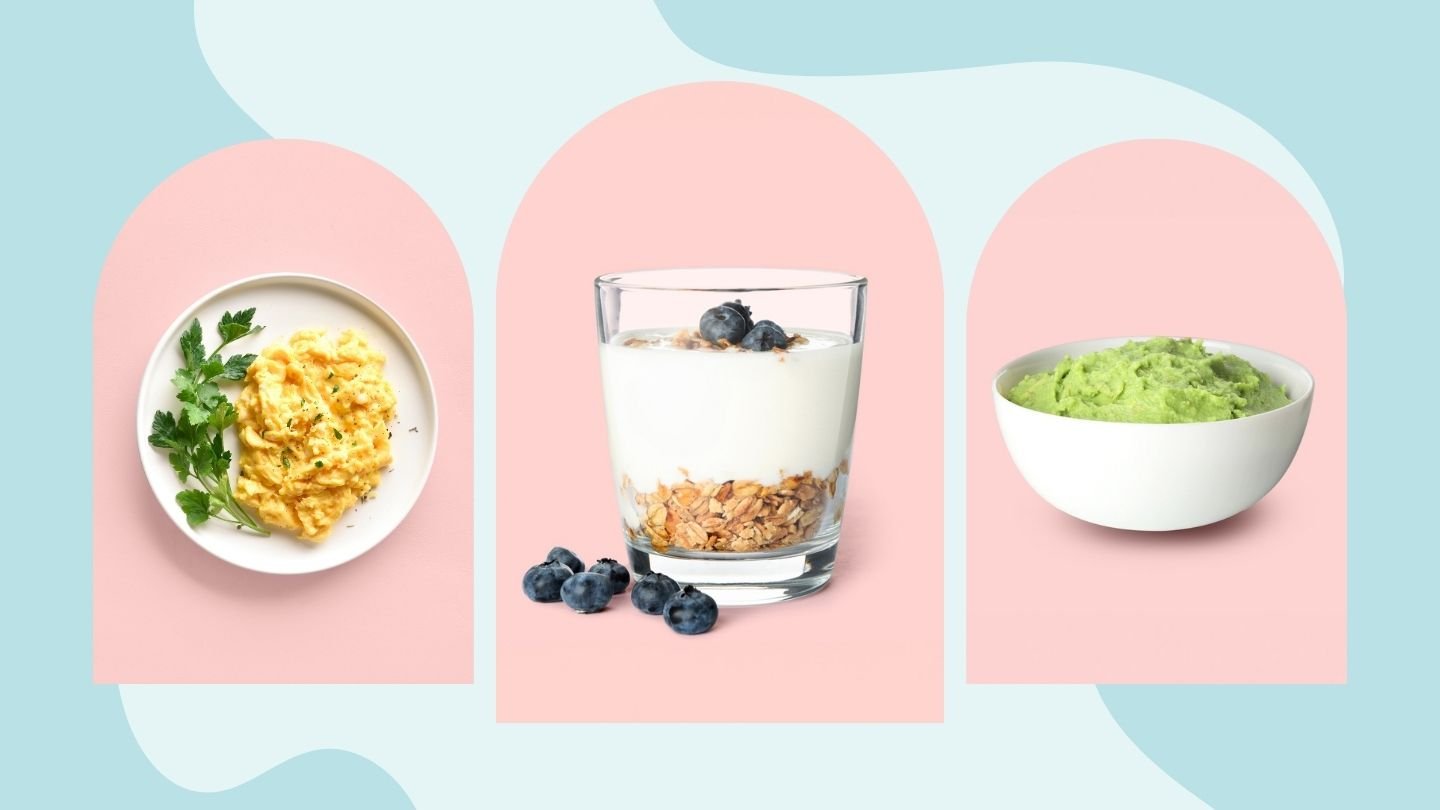
Ordering food from a restaurant or buying ready-made options at the grocery store is convenient. But preparing certain foods yourself offers real health benefits.
Studies show that people who cook at home tend to eat more fruits and vegetables and fewer ultra-processed foods, resulting in higher intakes of fiber, vitamins, and minerals.
[1]
Regularly cooking at home is also linked to a healthier weight and reduced risk of chronic diseases such as heart disease and type 2 diabetes.
[2]
“When there is attention and intention, coupled with nutrition knowledge and meal planning skills, it does seem that meals prepared at home are the healthier option,” says Maya Feller, RD, a New York City–based registered dietitian and the author of Eating From Our Roots: 80+ Healthy Home-Cooked Favorites from Cultures Around the World.
So, which foods are worth making at home? Registered dietitians share the nine items they always prepare for themselves.
1. Eggs
Eggs are a versatile, nutrient-rich food. But preparation matters: certain cooking methods can turn them into a less healthy option. Restaurant eggs are often cooked with generous amounts of butter and salt, and usually include generous servings of cheese. For this reason, Feller always prepares eggs at home, opting for a flavorful and nutrient-packed version. “Making them at home allows the cook to add more veggies, herbs, and spices to the dish,” she explains.
Herbs and spices are a great way to amp up the flavor without increasing the sodium, making them a better choice for those keeping an eye on their intake.
[3]
And, since herbs and spices contain beneficial plant compounds that may reduce the risk of type 2 diabetes, obesity, and heart disease, you’re increasing the nutrient quality of the meal, too.
[4]
2. Oatmeal and Overnight Oats
Packaged oatmeal and overnight oats are convenient, but they typically contain high amounts of added sugar. “Making oatmeal from plain oats as opposed to sweetened packets gives you complete control over sweetness and toppings, without adding sugar that can cause energy crashes later in the day,” says Jenny Finke, RD, a registered dietitian in Greenwich, Connecticut. She recommends adding mix-ins like fruit, nuts, seeds, and protein powder to make a nutrient-dense breakfast. For convenience, try batch-prepping them in small snack bags with everything but the liquid.
For overnight oats, Finke suggests combining rolled oats, milk or water, protein powder, and chia seeds or flaxseeds for fiber and heart-healthy omega-3 fatty acids. Mix and refrigerate overnight.
3. Soups
Canned soups are notoriously high in sodium, so making your own is a great way to control your intake.
[5]
Start by sauteing lots of vegetables, add low-sodium broth, and incorporate beans or lean meats if desired for a nutrient-rich meal. Herbs and spices can enhance flavor without extra salt.
[3]
Many soup recipes don’t require much active cooking time — just toss the ingredients in and let it simmer, says Shauna McQueen, RD, an Ossining, New York–based registered dietitian who runs a culinary class training program for nutrition professionals.
Soups are also flexible, since they can be built around almost any combination of vegetables, proteins, or grains you may already have on hand. “If you have ingredients that are about to go bad, but are still good enough to eat, tossing them in a soup is a great way to reduce food waste,” McQueen notes.
4. Tomato Sauce
Premade tomato sauces often contain high amounts of sodium, with some reaching nearly 500 milligrams (mg) per ½ cup serving.
[6]
For reference, the American Heart Association recommends a maximum of 2,300 mg of sodium per day. Under 1,500 mg is ideal.
[7]
In addition to sodium, some premade sauces have a surprising amount of added sugars. In fact, some brands contain about 7 g per ½ cup.
[8]
When combined with other sources of added sugar in the diet, sweetened tomato sauce can cause you to reach or exceed the recommended limit of 25 to 36 g of added sugars daily.
[9]
If you make your own tomato sauce, on the other hand, you can control what goes in. This results in a healthier, fresher-tasting sauce, McQueen says. Use these simple ingredients: tomatoes (fresh or low-sodium canned), olive oil, onion, and garlic. Season with basil, oregano, salt, and pepper to taste. A splash of balsamic vinegar adds depth of flavor.
5. Yogurt Parfaits
Yogurt parfaits can be a healthy breakfast option. Still, some versions may be loaded with added sugars, which can drive calories way up. Making them at home gives you control over the ingredients, resulting in a fresher, more nutritious parfait.
Most store-bought parfaits use traditional yogurt, which is lower in protein than Greek-style yogurt. One cup of plain, nonfat yogurt offers 10.4 g of protein.
[10]
Meanwhile, an equal serving of the Greek variation provides a whopping 25.2 g of protein.
[11]
Choose plain Greek yogurt for your homemade parfait, and the extra protein will help keep you satiated longer, says Alyssa Smolen, RDN, a registered dietitian-nutritionist in Essex County, New Jersey.You can also customize toppings to meet your personal nutrient goals. Looking for an even higher-protein breakfast? Stir in a scoop of your favorite protein powder. Add whole-food ingredients like berries, nuts, and seeds to boost fiber and antioxidants. But use granola sparingly, since many varieties are high in added sugar.
[12]
6. Stir-Fries
“Restaurant versions of stir-fries often pack more than 1,000 calories and contain over a day’s worth of sodium, primarily from heavy sauces and excessive oil,” Finke says.
[13]
Making them at home gives you control over those ingredients, which is why it’s one of her favorite dishes to prepare herself.
Stir-fries can be made quickly and are easy to customize according to your flavor preferences and what you have on hand. “My stir-fries typically include a lean protein, such as chicken breast or shrimp, along with plenty of vegetables, and just a teaspoon or two of oil to achieve a slight crispness,” says Finke.
Use precooked or instant brown rice and precut veggies to save time. Instead of heavy sauces, finish the dish with low-sodium soy sauce, minced garlic, fresh ginger, and a dash of sesame oil for flavor without the extra calories and sodium.
7. Pasta Salad
Many store-bought pasta salads contain high amounts of oil and salt to preserve freshness, so they’re higher in calories, fat, and sodium than homemade versions, Smolen says.
Make your own for a fresher and healthier option. Start with your favorite pasta: chickpea- or lentil-based pastas are great options to boost protein and fiber content. Then, make a simple vinaigrette with olive oil, lemon juice, and herbs and spices, since bottled dressings are often higher in fat, calories, and sodium than homemade. Mix chicken or chickpeas into your pasta salad for a boost of protein, and add a fiber-rich vegetable like spinach or kale for a balanced meal, Smolen suggests.
8. Dips
Making your own guacamole, bean dip, salsa, and hummus allows you to focus on fresh ingredients while minimizing sodium and preservatives, says McQueen. Homemade dips also taste fresher and typically cost less than store-bought versions.
One of McQueen’s go-tos is an avocado dip made with avocados, basil, lemon juice, olive oil, a little water for consistency, salt, and red pepper flakes. “It’s great with chopped veggies, drizzled over salads, dipped with bread, or even added to tacos or burrito bowls,” she says.
9. Dressings
Finke makes her own salad dressings because it allows her to control the flavor and overall nutritional value. “Store-bought dressings typically contain high amounts of salt, added sugars, and stabilizers to keep them shelf-stable, while a homemade version uses minimal, real-food ingredients,” she explains.
Combine pantry staples like oil, vinegar, and your favorite herbs and spices in a jar and shake to create a tasty, healthier dressing. Use it to add flavor to salads, grain bowls, and roasted vegetables, Finke suggests.
If you prefer creamy dressings, swap mayo and sour cream for reduced-fat versions or Greek yogurt to create a lighter option.
The Takeaway
- Restaurant and premade foods are generally higher in fat, calories, sodium, and added sugars than homemade foods.
- Home cooking is linked to higher diet quality, healthier weight, and reduced risk of chronic disease.
- Preparing your own food allows you to adjust recipes to suit your nutrition goals and flavor preferences.
