

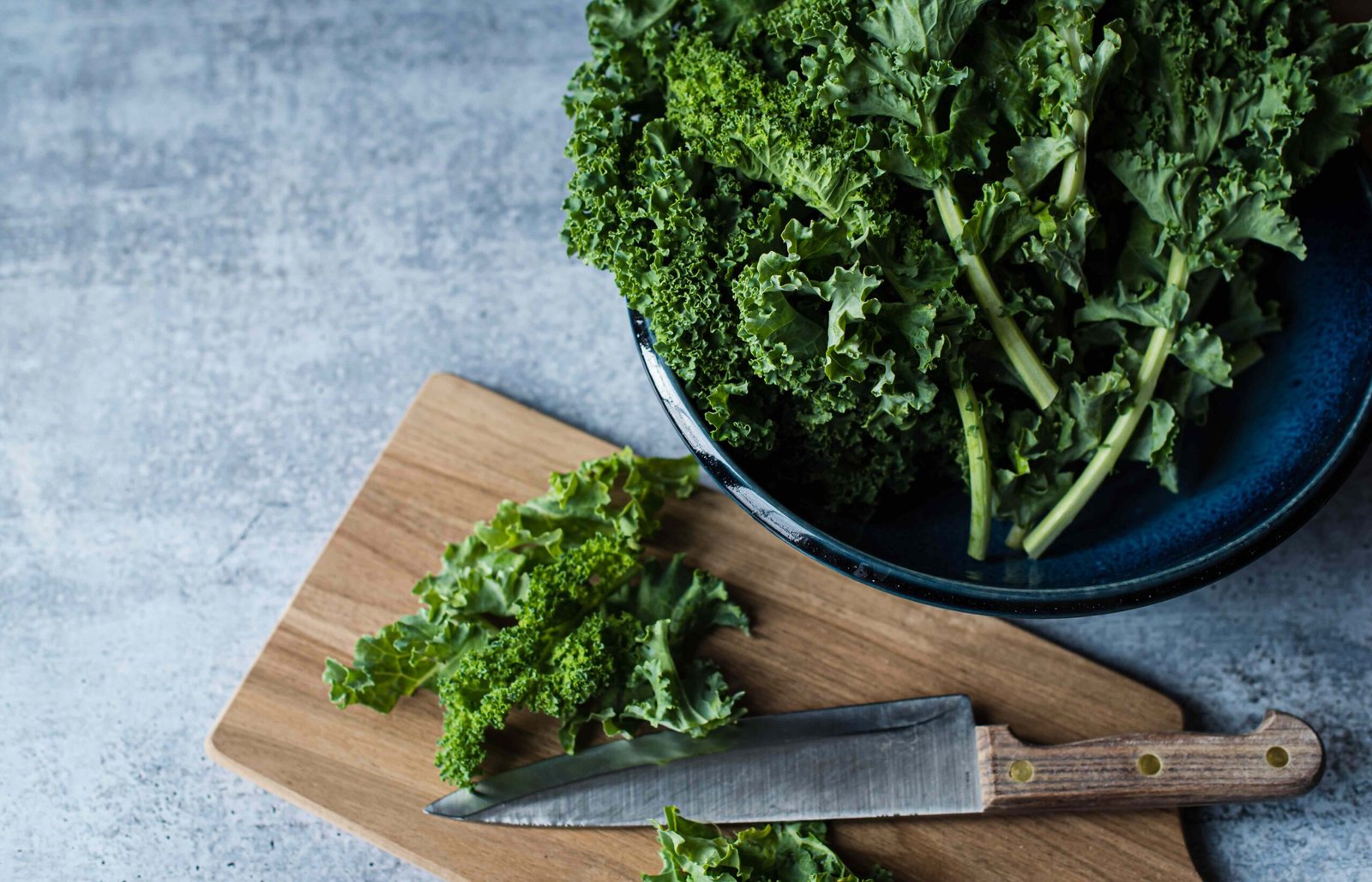
Folate, also known as vitamin B9, can be obtained naturally from food. Kale is a solid source of folate, providing about 63 micrograms (mcg) of folate per 100 grams. This makes up about 16% of the Daily Value (DV) of folate recommended for an adult. There are other foods that contain even higher amounts of folate, though.
Cris Cantón / Getty Images
- Folate: 358 mcg
- Serving size: 1 cup of cooked mature lentils
Lentils are rich in vitamins, minerals, and fiber. They are great sources of folate, providing 90% of the DV per serving.
As legumes, lentils also offer a rich source of protein, fiber, magnesium, zinc, phosphorus, and even carbohydrates. They are also low in fat, free of cholesterol, and don’t cause a sharp spike in blood sugar.
istetiana / Getty Images
- Folate: 215 mcg
- Serving size: 3 ounces, slightly cooked
Beef liver provides more than 50% of the DV for folate.
It is best not to cook liver for a long time because folate is sensitive to heat. Research shows that a significant amount of the vitamin is degraded by heat or lost during food processing. Consider grilling, steaming (at 100° Celsius for 30 minutes), or sous vide (60° Celsius for 75 minutes) for maximum folate retention.
Aside from folate, beef liver is rich in vitamin A, iron, and protein.
While beef liver is nutrient-dense, certain health concerns are associated with it, including elevated cholesterol levels, bacterial contamination, and antibiotic residues in the meat due to antibiotic misuse during animal feeding.
Minh Hoang Cong / 500px / Getty Images
- Folate: 113 mcg
- Serving size: A half-cup of boiled/cooked spinach
A serving of spinach provides about 33% of the DV for adults. That’s nearly twice the 65 mcg that boiled/cooked kale provides.
Spinach is also packed with:
- Calcium
- Potassium
- Sodium
- Magnesium
- Vitamin A
- Vitamin C
Marcia Straub / Getty Images
- Folate: 105 mcg
- Serving size: Half a cup
Black-eyed peas are a form of cowpea and are highly nutritious. Boiled black-eyed peas are super versatile and delicious. Similar to other legumes, they provide a high amount of folate—a half cup has about 26% of the DV of folate for adults.
Black-eyed peas are also rich in:
Helen Camacaro / Getty Images
- Folate: 105 mcg
- Serving size: 1 cup of cooked or boiled broccoli
When cooked or boiled, broccoli contains about 26% of the DV of folate. When eaten raw, a cup of broccoli contains 16% of the DV, or 65 mcg.
Aside from folate, broccoli is abundant in:
- Vitamin C
- Vitamin K
- Vitamin A
- Potassium
- Calcium
- Iron
This vegetable is associated with numerous health benefits, including:
- Blood sugar regulation
- Immune system support
- Gut protection
- Weight management
Westend61 / Getty Images
- Folate: 103 mcg
- Serving size: 100 grams of raw beets
A serving of raw beets provides about 26% of the DV for folate.
Beets also provide essential nutrients such as manganese, potassium, and vitamins that support liver health, help manage blood sugar and blood pressure, and improve digestive health.
Besides eating them raw, you can also cook them or blend them into a juice, smoothie, or powder.
Anna Chaplygina / Getty Images
- Folate: 90-100 mcg
- Serving size: Varies
Most processed grain and cereal foods are fortified with folic acid (the synthetic form of folate). These ready-to-eat cereals are really enriched to meet the required Recommended Dietary Allowance. Plus, the body more easily absorbs folic acid than it does folate from food.
OlgaLepeshkina / Getty Images
- Folate: 89 mcg
- Serving size: Four boiled spears
A serving of asparagus provides 22% of the DV for an adult.
Asparagus is also a good source of fiber and vitamins C and E. Asparagus also has antioxidants, which protect the body from cell-damaging free radicals.
Consuming asparagus may help to improve sleep, support gut health, and promote weight loss.
Aniko Hobel / Getty Images
- Folate: 86 mcg
- Serving size: 100 grams
Brussels sprouts contain about 22% of the DV for folate.
They are also good sources of:
- Vitamin C
- Vitamin K
- Carotene
- Iron
- Potassium
- Calcium
- Magnesium
- Fiber
Tanja Ivanova / Getty Images
- Folate: 81 mcg
- Serving size: 100 grams
Avocado offers 20% of the DV for folate.
It’s also rich in unsaturated fat and contains an impressive amount of nutrients such as:
- Fiber
- Vitamin C
- Potassium
- Vitamin E
Its potential benefits include reducing blood lipid concentrations and improving digestion by supporting the production of metabolites that promote gut health. Eating avocado is also linked to improved memory and thinking skills, improved eye health, and reduced risk of heart disease.
The recommended daily amount of folate varies depending on age and stage of life. For example, people who are pregnant need more since a growing fetus needs folate to develop optimally. Here is how much folate people should get:
- Newborn (6 months and below): 65 mcg
- Infants (7-12 months): 80 mcg
- Toddlers (1-3 years): 150 mcg
- Children: 200-300 mcg
- Teenagers and adults: 400 mcg
- People who are pregnant: 600 mcg
- People who are nursing: 500 mcg
