

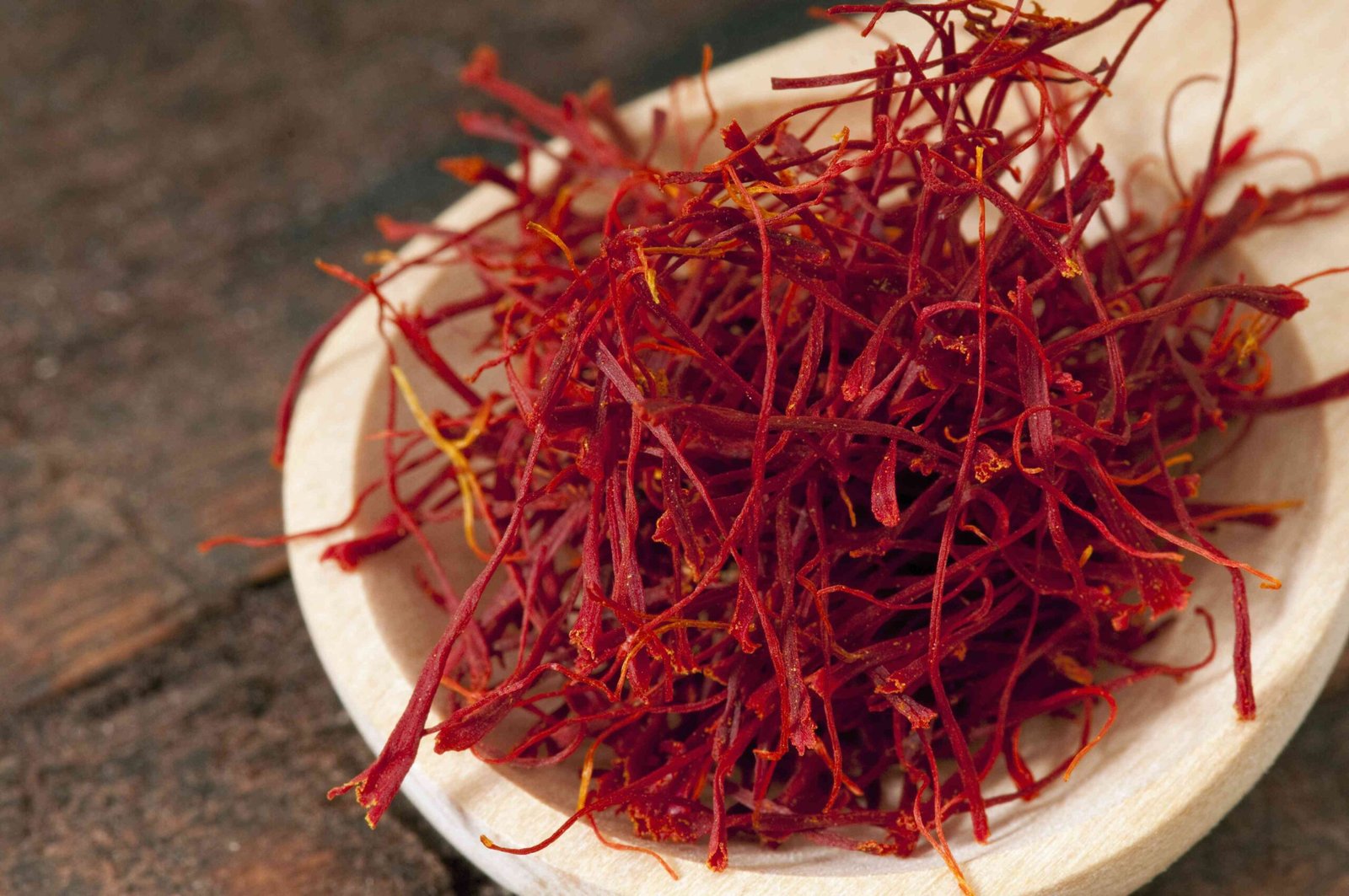
Saffron is a spice derived from the saffron crocus flower (Crocus sativus L.). It is highly expensive and sought after due to its medicinal properties and culinary uses. Here’s how adding it to your diet could affect your body.
Saffron is rich in antioxidant, such as carotenoids and terpenes like safranal. They may reduce inflammation and prevent a type of cell damage called oxidative stress.
A 2019 study of 80 people with type 2 diabetes found that 100 milligrams of saffron daily for 12 weeks significantly reduced malondialdehyde (MDA), a marker of oxidative stress.
Saffron has shown promise as a natural treatment for anxiety and depression. It has been shown to have a significant positive effect on symptoms and similar effects to antidepressants.
Compounds in saffron, such as crocin and safranal, help block the reuptake of dopamine, norepinephrine, and serotonin. This helps increase levels of these feel-good chemicals in your brain.
Although saffron shows promise, more research is needed. It is important to check with a doctor before trying it.
Saffron has been shown to help improve memory and daily functioning in people with mild cognitive impairment and Alzheimer’s disease.
A 2021 review found that the spice’s antioxidant and anti-inflammatory properties may support brain health. Some results are conflicting, so more research is needed.
Saffron may improve age-related macular degeneration (AMD), the leading cause of vision loss in older adults.
Supplementing with saffron has been shown to improve vision in people with diabetic maculopathy, a diabetes complication. It may also reduce eye pressure in people with glaucoma.
Inflammation causes most eye diseases. The anti-inflammatory compounds in saffron may reduce inflammation and prevent disease progression.
Due to saffron’s antioxidant and anti-inflammatory effects, the spice may prevent heart disease.
A 2021 review of 19 studies found saffron significantly reduced heart disease risk factors, such as:
- Diastolic blood pressure (the bottom number on a reading)
- Fasting blood sugar
- Low-density lipoprotein (LDL) cholesterol
- Total cholesterol
Some evidence suggests that saffron may be a natural treatment for obesity.
Carotenoids like crocetin and crocin help support metabolism and lower inflammation, which helps make it easier to manage your weight. Metabolism is the process your body uses to convert food and drinks into energy.
The active substances in saffron may help you sleep. A review of five studies and 379 participants found that treatments containing saffron helped improve sleep quality and duration.
The researchers suggested that saffron may increase melatonin levels and act on certain brain receptors. Melatonin is a hormone that helps control your sleep-wake cycle.
These results are promising, but research is limited. More studies on the effects of saffron on sleep are needed.
A 2-tablespoon serving of saffron contains nutrients, such as:
- Calories: 13
- Fat: 0.25 grams (g), or 0.32% of the Daily Value (DV)
- Sodium: 6.22 milligrams (mg), or 0.27% of the DV
- Carbohydrates: 2.74 g, or 1% of the DV
- Fiber: 0.16 g, or 0.57% of the DV
- Added sugar: 0 g
- Protein: 0.48 g, or 0.96% of the DV
Saffron is usually consumed in small quantities, so it is not a significant source of vitamins and minerals. A 2-tablespoon serving has over 50% of your daily needs for manganese.
Manganese is a mineral involved in metabolism and immune and nerve function. It is also important for blood clotting.
Saffron also provides a small amount of vitamin C, a powerful antioxidant. Vitamin C is important for immune function and collagen synthesis.
Saffron is generally considered safe in normal amounts, such as when used as a spice in cooking.
In higher doses, saffron can lead to mild side effects, such as:
- Anxiety
- Dizziness
- Dry mouth
- Fatigue
- Headache
- Nausea
There is not enough evidence to support the safety of saffron in pregnancy. People who are pregnant or breastfeeding should avoid ingesting high doses of saffron, such as in supplements.
Saffron is typically sold as saffron threads, which are the stamen of the saffron crocus flower. It is also sometimes sold in ground form. The spice has a unique, complex flavor that is earthy, yet subtly sweet.
Saffron is very expensive, so most people use it in small quantities. It is also suggested to use saffron sparingly, as the flavor can easily overpower a dish.
Ways to use saffron include:
- Add a small amount of ground saffron to baked goods like cakes and bread.
- Make a saffron latte by adding a few threads to heated milk.
- Opt for saffron water in grain dishes, like rice pilaf and Biryani, a South Asian mixed rice dish.
- Try saffron in milk-based desserts such as puddings, panna cotta, and ice cream
- Use the spice to elevate the flavor and color of puddings and bouillabaisse.
