

When you’re fighting a cold or other illness, it may be worth adding some herbs and spices to your diet. Elderberry, turmeric, and other herbs and spices may help boost the immune system due to their antimicrobial and anti-inflammatory properties.
Liudmila Chernetska / Getty Images
Elderberry is a dark purple berry from the black elder tree that contains a number of different anti-inflammatory and antioxidant plant compounds. Some research has suggested it may help lessen the symptoms of colds, flu, or other upper respiratory infections.
A 2016 study found that participants who took an elderberry supplement had shorter colds and reported less severe symptoms, including sore throat, cough, runny nose, and more.
Elderberry is often taken as a supplement, and benefits have been linked to elderberry capsules, lozenges, and extract. It can also be brewed as a tea.
Aninka Bongers-Sutherland / Getty Images
Echinacea, or the purple coneflower, is closely related to daisies and sunflowers. This plant is thought to stimulate the immune system, so many people use it to fight colds or other infections.
Research does suggest echinacea has anti-inflammatory and antibacterial properties, and may be able to control the body’s immune response in the face of viral infections. Older studies have found that it can shorten the length of a cold, however, these findings are limited and more research is needed. Some studies have found echinacea doesn’t help people get over a cold.
Echinacea supplements are generally available as capsules or as liquid drops meant to be diluted in water. You can also brew echinacea as a tea.
Wavetop / Getty Images
Garlic is a vegetable that’s used as a spice to flavor various dishes. However, it may also have some benefits for the immune system.
When garlic is crushed, it releases a compound called allicin that may help the body fight infections. Some research in animals and small studies in humans found that garlic or allicin supplements reduced respiratory viral infections and had anti-inflammatory effects. Allicin may also have antioxidant effects, reducing cell damage called oxidative stress that has been linked to chronic disease.
However, there’s still very little research on the immune benefits of garlic. Many people cook with garlic, but it can also be taken as a supplement.
Liudmila Chernetska / Getty Images
Turmeric is a spice that contains curcumin, a compound responsible for turmeric’s bright color and many of its purported health benefits.
Curcumin has strong antioxidant effects, may be able to lower inflammation, and has antibacterial and antiviral capabilities. For these reasons, turmeric may be able to fight infectious diseases and protect against autoimmune health conditions.
But research on turmeric has its limitations—studies use different amounts of turmeric, or combine it with other herbs or spices to enhance the effect in the body. Most studies on the benefits of turmeric also tend to focus on turmeric supplements, as opposed to the powdered spice. Cooking may lower the antioxidant activity of turmeric.
dimonspace / Getty Images
Ginger is a spice used in cooking, but it also has a long history of being used to help ailments such as gastrointestinal discomfort, asthma, and flu.
Ginger contains a compound called gingerol that has antioxidant and anti-inflammatory properties. The body experiences increased inflammation during an immune response, so anti-inflammatory substances such as ginger may be able to help ease pain and symptoms associated with respiratory infections.
Some research has even found that taking ginger may improve COVID-19 symptoms, but more research is needed.
People can take ginger supplements, make ginger tea, or eat crystallized (or candied) ginger when dealing with cold symptoms.
Rawf8 / Getty Images
Cinnamon is a warming spice that is popular in sweet dishes and desserts.
It is rich in antioxidants, which may reduce inflammation, and has antimicrobial effects, too. Cinnamon may relieve symptoms of COVID-19, as well as other viral illnesses. Other research suggests it may slow the growth of bacteria such as Salmonella, a common foodborne illness.
Cinnamon supplements are available for a range of conditions. But more research on cinnamon is needed—it’s not currently considered a treatment for any disease.
OcsanaDen / Getty Images
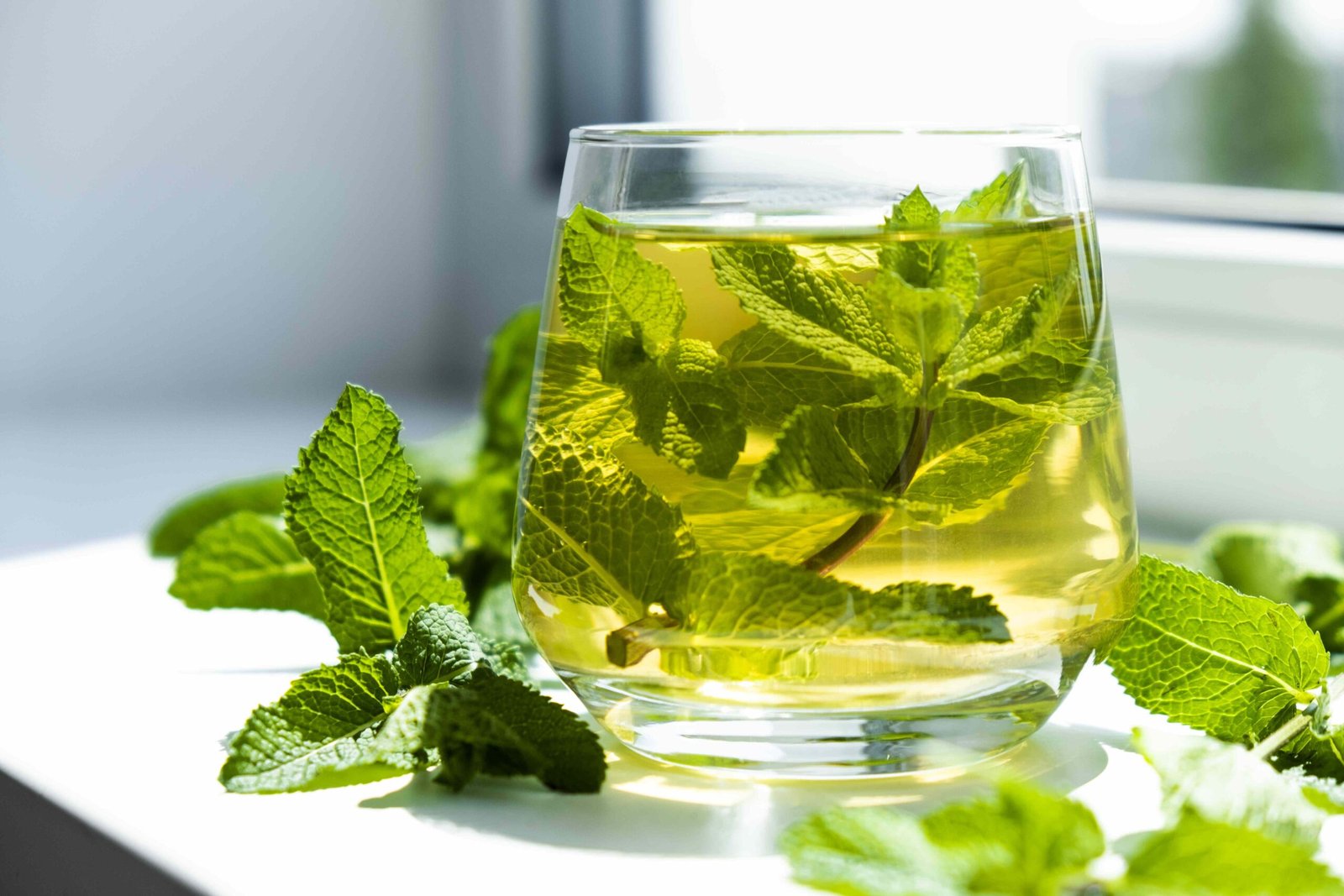
Peppermint, a cross between water mint and spearmint, is an herb rich in antioxidants called flavonoids. It also contains menthol, a cooling compound that helps relieve pain. Peppermint contains antimicrobial and anti-inflammatory properties that could have benefits for the immune system, although more research is needed.
Not only might peppermint help your body better fight a viral infection, it can also temporarily relieve some symptoms. Menthol can help sooth a cough, get rid of congestion, and make breathing feel a bit easier.
People can take capsules containing peppermint oil or use peppermint leaves to make tea.
Synergee / Getty Images
Paprika, derived from red pepper, is a spice that adds flavor heat to dishes. But it may boost the immune system, too. Paprika is rich in vitamins A, E, and C, which are powerful antioxidants that help the body fight infection.
Vitamin C has been linked to shorter cold duration, while vitamin E and A are both involved in boosting immune system function.
Herbs and spices may be able to help ease upper respiratory infections, including colds and the flu. The anti-inflammatory, antimicrobial, and antioxidant effects of many of these herbs and spices may also have positive effects on gastrointestinal symptoms, COVID-19, chronic disease risk, and more.
Here’s how you can incorporate herbs into your daily diet:
- Supplements: Try over-the-counter supplements that contain herbs or spices like echinacea, garlic, or turmeric. Capsule supplements tend to be much more concentrated than fresh or dried varieties of herbs. Importantly, supplements being studied aren’t always what people find in stores, so the results may not be the same. Ask your healthcare provider if you are concerned that any of your prescription medications could interact with one of these supplements.
- Cooking: Incorporate more fresh or dried herbs into your cooking. Ginger, garlic, and paprika can be added to savory dishes, while cinnamon may be a good addition to desserts or breakfast bowls.
- Teas: Brew your own tea with herbs like peppermint, elderberry, or echinacea, or purchase tea bags at your local retailer.
