

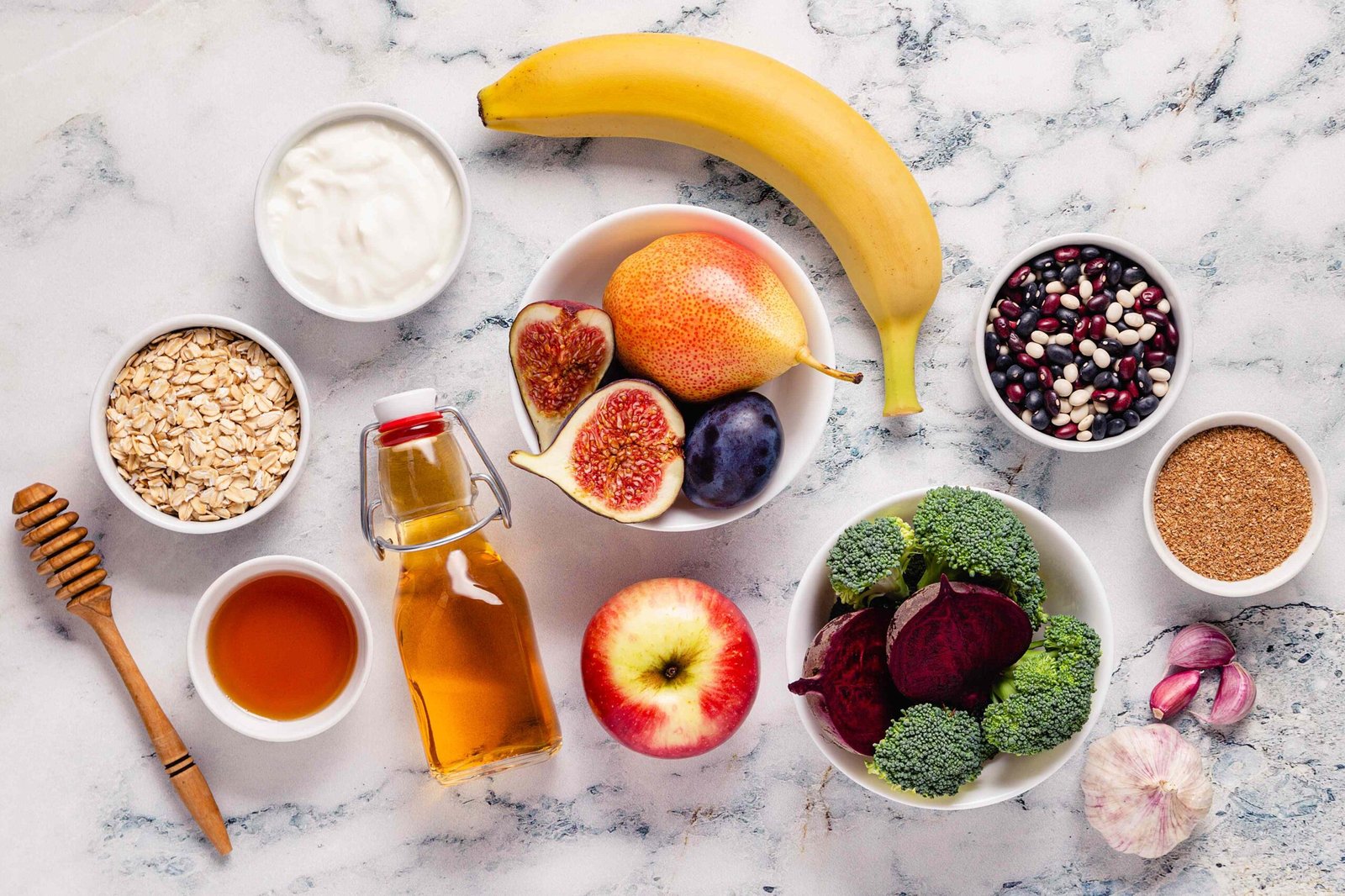
Probiotics and prebiotics support gut health by helping the good bacteria in your digestive system thrive, but they have some key differences. Probiotics help add more helpful microorganisms to your gut, while prebiotics help feed the ones already there. Eating foods that promote gut health is important because your gut affects several other aspects of your health, including your immune system and mental wellness.
1. Better Gut Health
Both probiotics and prebiotics can promote gut health. For example, some studies have shown that taking both prebiotics and probiotics may protect against colorectal cancer (cancer of the rectum or colon).
Probiotics may help prevent:
- Constipation
- Antibiotic-associated diarrhea
- Certain conditions in infants, including colic, necrotizing enterocolitis (serious damage to the intestinal tract), and sepsis (severe response to an infection)
Probiotics may also help manage symptoms of irritable bowel syndrome (IBS) and ulcerative colitis, a type of inflammatory bowel disease (IBD). However, the American Gastroenterology Association does not recommend using probiotics to treat IBS because there is insufficient evidence to support it. Research shows mixed results and uses wide variations in probiotic strains.
Research demonstrates mixed results for prebiotic use and gut health benefits. Some studies have shown that taking prebiotics doesn’t affect IBS or IBD, while others have found that it improves symptoms of these conditions.
2. Improved Immune Function
Both prebiotics and probiotics are associated with improved immune health because of the gut’s effect on immune functioning.
- Probiotics: Supplementation may help prevent upper respiratory tract infections and reduce the length of infection.
- Prebiotics: A prebiotic mixture of oligofructose and inulin—found in foods like onions, bananas, and garlic—has been shown to promote the body’s immune response to influenza and measles vaccines. Galacto-oligosaccharides—prebiotics found in beans and some dairy products—are associated with a reduced risk of atopic dermatitis (an immune-related skin condition) in infants.
3. Better Mental Health
Research has shown that prebiotics and probiotics may improve symptoms of various mental disorders, including:
- Anxiety
- Stress
- Schizophrenia
- Alzheimer’s disease
- Depression
- Autism spectrum disorders
However, more research is needed to understand the connection between the gut and the brain and to determine specific treatment protocols for mental conditions using probiotics and prebiotics.
4. Better Absorption of Certain Micronutrients
Probiotics and prebiotics may help your body absorb key nutrients.
- Probiotics: One 2021 review found that taking probiotics was associated with improved status of vitamin B12, calcium, folate, iron, and zinc in healthy individuals.
- Prebiotics: Consuming prebiotics, particularly fructans found in foods like wheat, rye, and onions, is associated with improved absorption of calcium, leading to better bone mineral density. Prebiotics may also help your body absorb magnesium and iron.
Probiotics and prebiotics are generally safe to consume with minimal side effects, but there are certain risks to consider.
Probiotics
The most common side effects of probiotics are minor gastrointestinal (GI) symptoms, like gas.
If you are severely ill or immunocompromised, you may need to be more cautious. Taking probiotics has been linked with a few cases of severe side effects, such as:
- Bacteremia (bacteria in the blood)
- Fungemia (fungi in the blood)
- Infections that lead to severe illness
Prebiotics
The most common side effects of prebiotics are gastrointestinal symptoms, such as:
Tip: Experts recommend consuming 2.5–10 grams of prebiotics daily, though this dose may still lead to uncomfortable GI symptoms.
Probiotics and prebiotics play different roles in promoting digestive health.
Probiotics
Your gut is made up of trillions of bacteria. Probiotics are live microorganisms similar to the ones that exist in your gut. They can be found in certain foods or supplements and may promote gut health when ingested. There are a variety of species of probiotics. Lactobacillus and Bifidobacterium are the most common.
Prebiotics
Like probiotics, prebiotics can be found in foods or supplements. Human enzymes cannot digest them. Instead, they are processed by gut microbiota. Prebiotics help these gut bacteria grow and thrive. Think of them as food for the good bacteria in your gut.
Probiotics are commonly found in fermented foods. The fermentation process often causes these bacteria to grow. They are also added to certain foods, like yogurt. Here are some common food sources of probiotics:
- Kefir
- Kimchi
- Kombucha
- Miso
- Sauerkraut
- Yogurt
Note: More and more processed foods, such as sparkling beverages or cereals, contain added probiotics. However, some foods labeled “probiotic” may contain strains that have not been proven effective. In these cases, the probiotics may degrade before they can positively affect the gut.
Most prebiotic foods are complex carbohydrates. Examples of prebiotic foods include:
- Asparagus
- Banana
- Barley
- Beans
- Chicory
- Garlic
- Honey
- Jerusalem artichoke
- Onion
- Rye
- Sugar beet
- Tomato
- Wheat
Most people benefit from regularly consuming prebiotic- and probiotic-rich foods. They’re an important part of a well-rounded diet, promote a healthy gut microbiome, and often contain other important nutrients like vitamins, minerals, and antioxidants.
However, if you are severely ill or immunocompromised, it’s best to speak with your healthcare provider before adding more of these foods to your diet.
Many sources of prebiotics are also sources of fiber. It’s best to increase your intake slowly if you’re not already consuming these foods regularly. Increasing your intake too quickly can lead to uncomfortable digestive symptoms.
Whether or not you should take a prebiotic or probiotic supplement depends on your diet and any health conditions.
There are some drawbacks to taking supplements:
- They can be expensive. You may not need an expensive supplement if you already eat food sources of probiotics and prebiotics.
- Research is mixed. More research is needed to understand the benefits and risks of prebiotic and probiotic supplements.
- They’re not FDA-regulated. Choose high-quality supplements by making sure they’re third-party tested.
Prebiotics and probiotics help support a healthy and balanced gut microbiome. They may also improve immune function, mental health, and absorption of key micronutrients.
More research is needed to develop specific treatment recommendations using probiotics and prebiotics. Food sources can typically be safely incorporated into a varied diet.
