

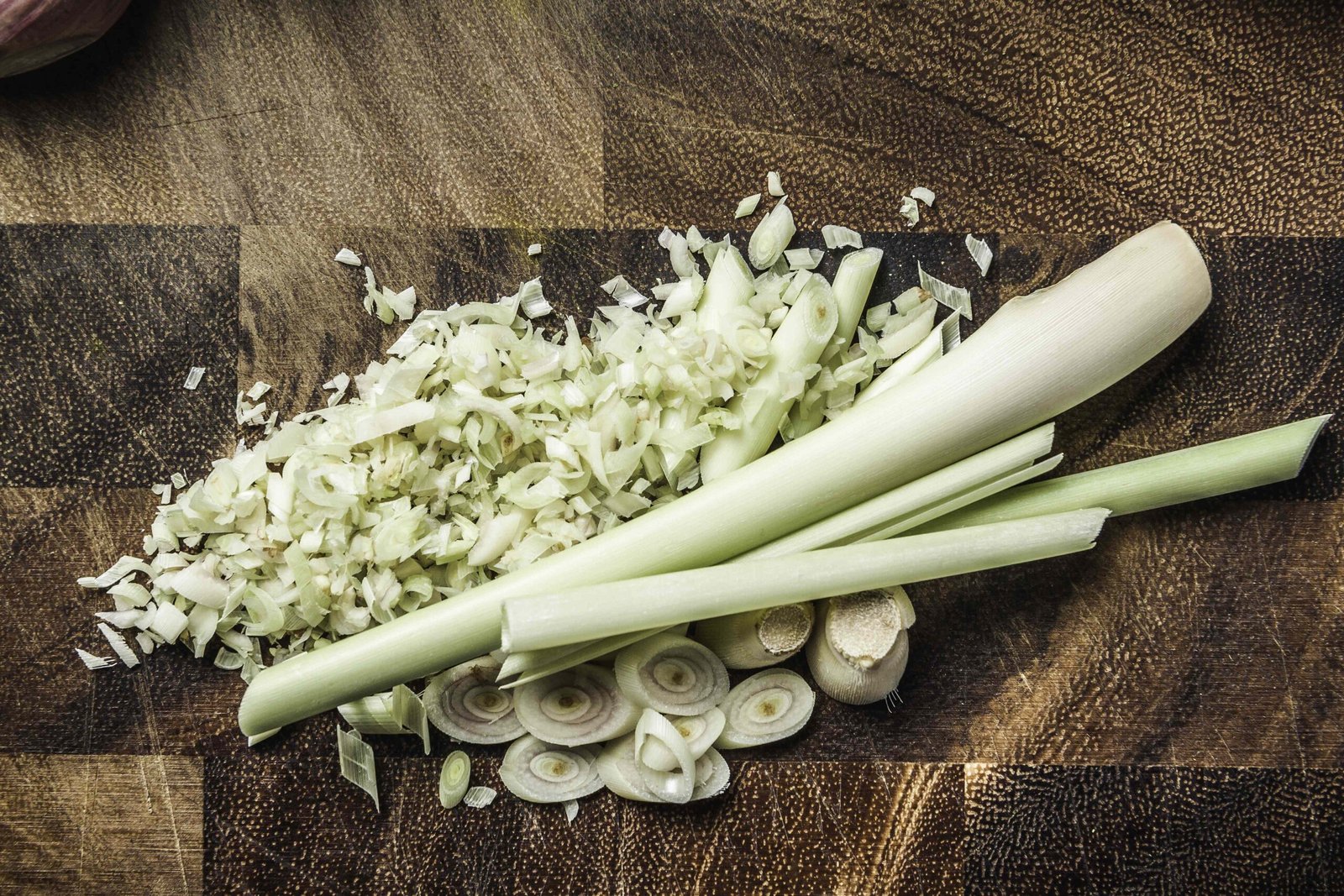
Lemongrass (Cymbopogon citratus) is a grass-like plant with a lemon scent. It has been used in folk medicine to support digestion, reduce fevers and headaches, relieve insect bites, and lower high blood pressure. It may also help manage conditions like arthritis, dandruff, and gingivitis.
Some studies suggest that using shampoos or hair tonics with lemongrass may help significantly improve dandruff.
Using mouthwash with 0.25% lemongrass oil may improve mild periodontitis, or gum disease. This can help protect against cardiovascular disease. Lemongrass may be a good alternative to mouthwashes containing chlorhexidine, which can cause unwanted side effects.
Note: More research on the long-term use of lemongrass essential oil for dental health is needed to confirm its benefits and safety.
Early research in adults with rheumatoid arthritis (RA) found that applying pure lemongrass essential oil to the skin daily for 30 days reduced pain by 30%.
Lemongrass essential oil has been shown to successfully break up biofilms in Candida albicans (a species of yeast, or fungi, in the human body that can overgrow and cause infection).
How it works: Biofilms are sticky shields that surround bacteria and fungi, making them difficult to kill. By breaking these shields, lemongrass can make fungal infections easier to treat.
One cup of raw lemongrass contains:
- Calories: 66.3
- Protein: 1.22 grams (g)
- Fat: 0.33 grams
- Sodium: 4.02 milligrams (mg)
- Iron: 5.47 milligrams, or 30% of the Daily Value (DV)
- Zinc: 1.49 milligrams, or 14% of the DV
- Folate: 50.2 micrograms (mcg), or 13% of the DV
- Magnesium: 40.2 milligrams, or 10% of the DV
- Potassium: 484 milligrams, or 10% of the DV
Note: Lemongrass contains a lot of water, so it can improve hydration, especially if you consume it raw.
Lemongrass is generally considered safe to use in cooking. However, eating a lot of it may cause unwanted side effects like:
- Dizziness
- Dry mouth
- Excessive tiredness
- Frequent urination
- Increased appetite
- Itching and rash (if allergic)
People who are pregnant should not consume lemongrass. It is known to start menstrual flow and could lead to miscarriage. There is not enough evidence on whether or not it’s safe to use when breastfeeding.
If you have kidney disease, ask your healthcare provider if lemongrass is safe for you. For example, drinking lemongrass tea may increase urination, which could put more pressure on your kidneys. Lemongrass is also high in potassium, which should be limited in people with kidney disorders.
Lemongrass can be used in many different ways. Here are some ideas:
- Make lemongrass tea: Add fresh lemongrass to boiling water and steep it to enhance the flavor.
- Use it as a marinade: Add lemongrass to pork, shrimp, chicken, or tofu marinade. Try combining lemongrass with olive oil, lime, scallions, brown sugar, and garlic.
- Create dipping sauces: Add lemongrass and your favorite herbs and spices to a Greek yogurt or sour cream base. Consider adding coconut milk, fresh ginger, green onions, jalapeño, or garlic.
- Add it to your favorite recipes: Finely slice and mince lemongrass and add it to meatloaf, meatballs, burgers, stews, soups, salads, and stir-fries.
- Make a simple syrup: Add water, sugar, and lemongrass to a saucepan and cook until the mixture thickens to a syrup. Use this as an infused drink sweetener for lemonade, iced tea, or mocktails.
- Prepare a compound butter: Finely mince lemongrass and mix it into your butter with other herbs and seasonings. Roll the mixture into a log, wrap it in plastic, and place it in the fridge until ready to use.
