

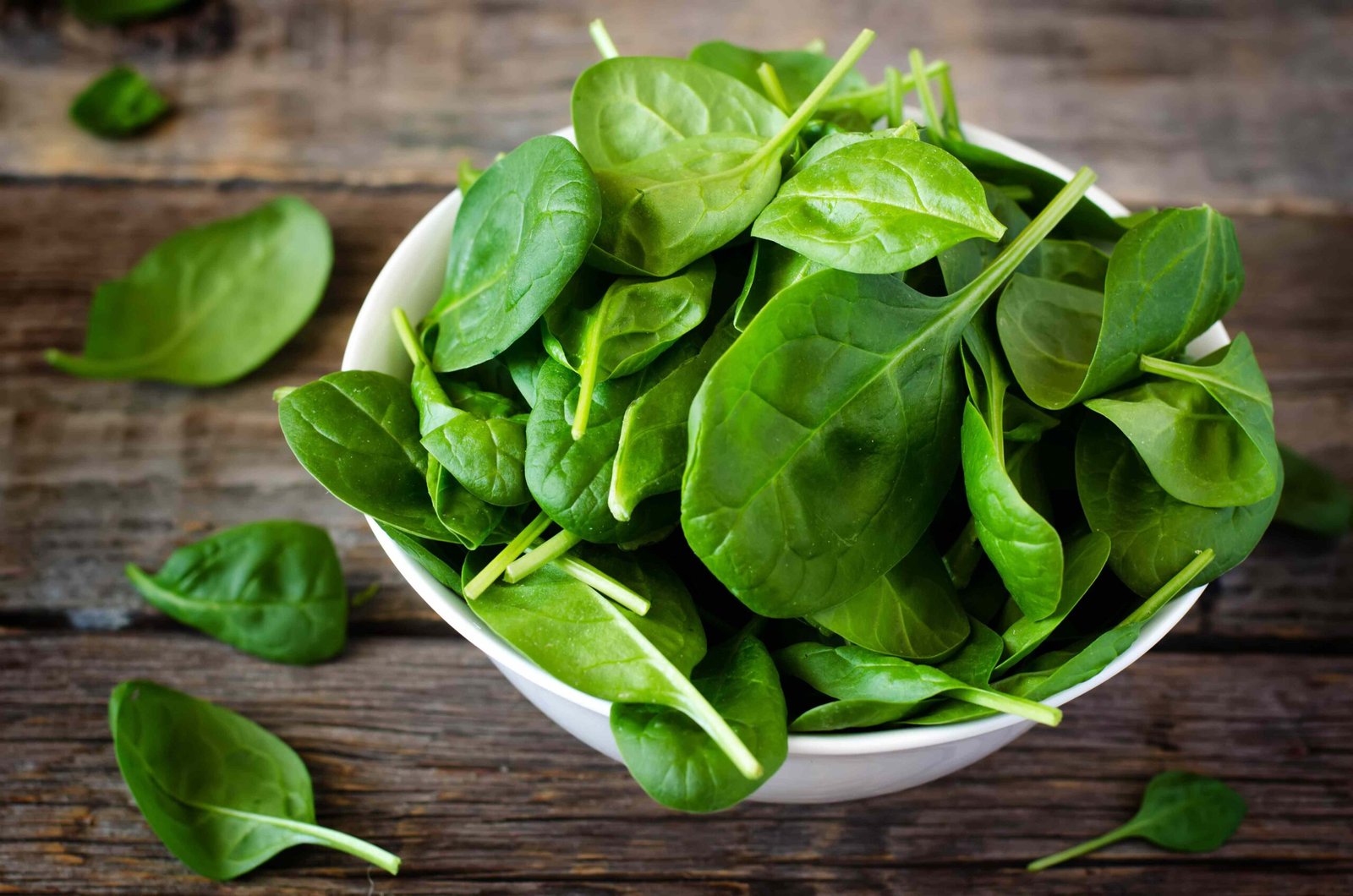
Spinach, scientifically known as Spinacia oleracea, is a versatile leafy green vegetable that’s full of health benefits. Here’s what could happen to your body when you eat spinach routinely.
Spinach is full of nutrients and low in calories. A 3-cup portion of vitamins and minerals nutrients like:
- Folate: 45% of the Daily Value (DV) for folate, a B vitamin that helps form red blood cells and DNA
- Vitamin A: 160% of the DV for vitamin A, an antioxidant that strengthens eye, bone, and immune health
- Vitamin C: 40% of the DV for vitamin C, an antioxidant that supports bone and skin health
- Vitamin K: 300% of the DV for vitamin K, which helps heal wounds
Spinach also supplies iron, magnesium, potassium, calcium, and small amounts of other B vitamins.
Spinach has flavonoid antioxidants that decrease inflammation and protect against disease.
The antioxidants in spinach may prevent oxidative stress. This type of cell damage is an imbalance of antioxidants and unstable atoms called free radicals. It can increase the risk of cancer, heart disease, and type 2 diabetes.
Spinach is a source of naturally occurring compounds called nitrates, which open up blood vessels. This improves blood flow and eases stress on your heart.
In a small 2016 study, participants’ blood nitrate levels increased after drinking nitrate-rich beverages.
A spinach drink was shown to lower diastolic blood pressure for five hours. This is the bottom number on a blood pressure reading, which shows the pressure in your arteries between heartbeats.
Lutein is an antioxidant in spinach that may reduce the risk of age-related macular degeneration (AMD). This eye disease can blur the sharp, central vision that helps you read and drive.
AMD is a leading cause of vision loss for people older than 55 years. Prevention is key since there’s no cure.
Lutein-rich spinach can increase macular pigment optical density (MPOD). This pigment acts like internal sunglasses to protect your eyes. Decreased MPOD is a risk factor for AMD.
Spinach is a source of insoluble fiber, which can support digestion. Fiber is a carbohydrate that helps you feel full and supports regular bowel movements.
Insoluble fiber helps food pass through the gut, which prevents constipation. It also adds bulk to your stool.
The anti-inflammatory effects of spinach help prevent age-related cognitive decline.
What the Science Says: A 2015 study found that older adults who ate 1-2 servings of leafy green vegetables daily for five years had the same cognitive abilities as those 7.5 years younger.
Spinach is generally safe, but some people may want to avoid eating too much.
Research has shown that spinach is high in oxalates. For people who are susceptible, these compounds may bind with calcium to form kidney stones, which can cause painful symptoms.
There are several types of spinach, which vary by shape, texture, and taste. The best option for you may depend on your preferences.
The different types of spinach include:
- Baby spinach: This immature type is delicate in texture, with a slightly sweet taste.
- Flat (smooth) leaf: This is the mature version of baby spinach. It has an unwrinkled texture.
- Savoy: This type has a gritty texture with a mild taste.
- Semi-savoy: This one is similar to savoy spinach, but it is less wrinkly in texture.
Spinach is low in calories, and about 91% of its mass is made up of water.
A 1-cup portion of raw spinach has nutrients like:
- Calories: 6.9
- Fat: 0.1 grams (g), or 0.1% of the DV
- Sodium: 23.7 milligrams (mg), or 1% of the DV
- Carbohydrates: 1.1 g, or 0.4% of the DV
- Fiber: 0.7 g, or 2.5% of the DV
- Added sugars: 0 g
- Protein: 0.9 g, or 1.8% of the DV
Try to eat 1 cup (about the size of a tennis ball) of some type of spinach per day.
Here are some ways to eat more spinach:
- Add spinach to soups, vegetable chili, and tacos.
- Incorporate spinach into a smoothie with healthy fats like avocado or almond butter.
- Sauté it in extra virgin olive oil (EVOO) with sweet red bell peppers and crushed red pepper.
- Steam and toss the greens with jarred olive tapenade or dairy-free pesto.
Mix up how you consume spinach, but do not overcook your leafy green vegetables. Not cooking spinach at high temperatures preserves its lutein content.
Microwaving spinach is the best way to preserve vitamin K. Blanching significantly decreases its vitamin C content, but steaming is the best way to preserve it. Cooking also lowers vitamin E levels but increases vitamin A levels.
