
Close Menu
Fit and Healthy Weight

    Subscribe to Updates

    Get the latest creative news from FooBar about art, design and business.

    What's Hot

    Kagan Dunlap Sees Discipline as a Key To Being Fit To Serve

    December 27, 2025

    8 Best Low-Carb Vegetables, Recommended by Dietitians

    December 27, 2025

    Understanding Accommodation in Psychology

    December 27, 2025
    Facebook X (Twitter) Instagram
    Facebook X (Twitter) Instagram
    Fit and Healthy Weight
    Saturday, December 27
    • Home
    • Diet
    • Mindset
    • Recipes
    • Reviews
    • Stories
    • Supplements
    • Tips
    • Workouts
    Fit and Healthy Weight
    Home»Tips»What Happens to Your Body When You Eat Beets Regularly
    Tips

    What Happens to Your Body When You Eat Beets Regularly

    By November 13, 2025No Comments4 Mins Read
    Share Facebook Twitter Pinterest LinkedIn Tumblr Reddit Telegram Email
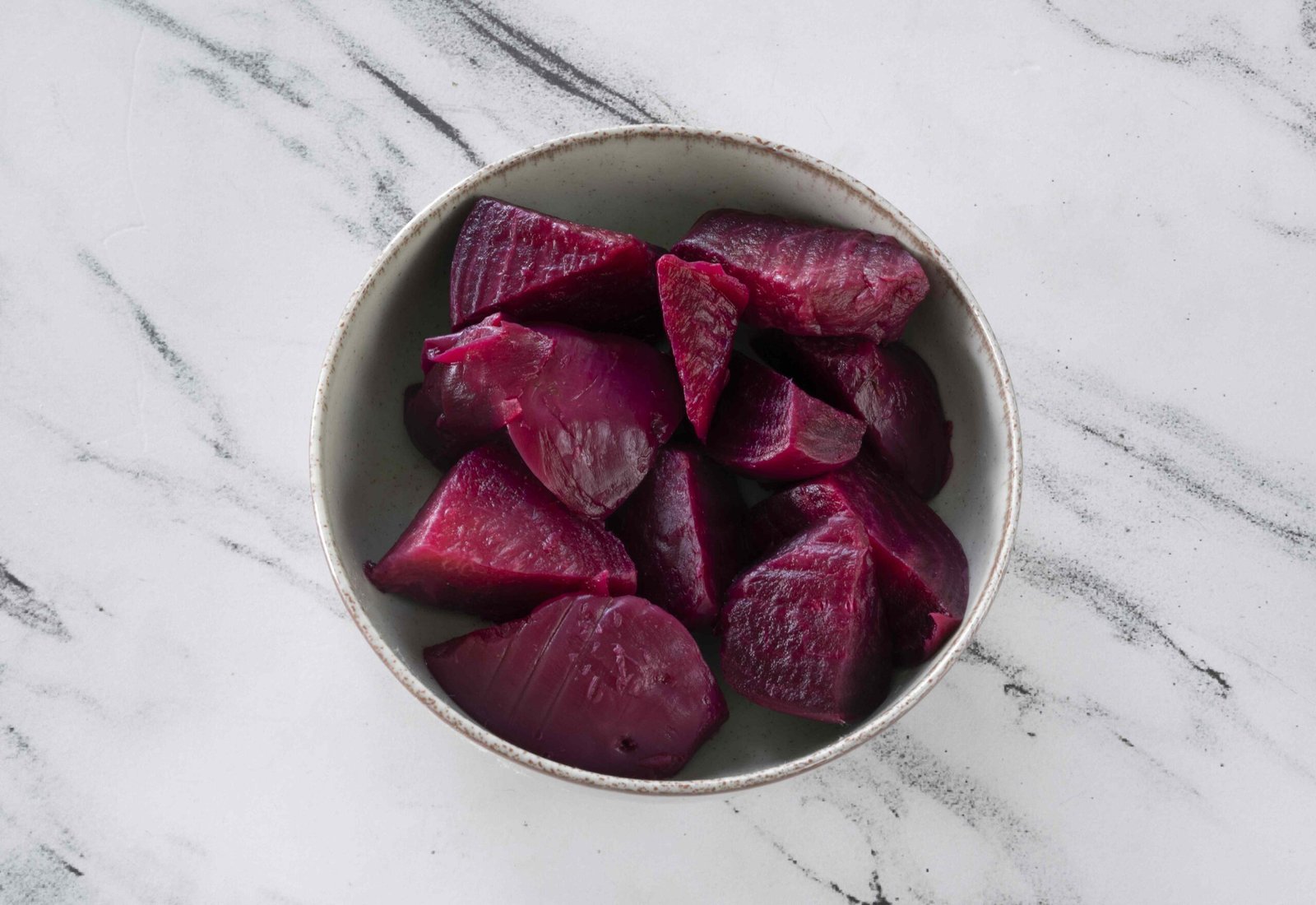
    What Happens to Your Body When You Eat Beets Regularly
    Beets are a root vegetable that have benefits for your heart, liver, and more.

    Gonzalo de Miceu / Getty Images

    Share
    Facebook Twitter LinkedIn Pinterest Email


    Beets—also called beetroot or Beta vulgaris—may have a number of health benefits when eaten regularly. These vibrant root vegetables are originally from the Middle East but are eaten worldwide.

    Here’s what happens when you incorporate them into your diet.

    Beets are rich in nitrates, which your body converts to nitric oxide. Nitric oxide is a compound that relaxes and dilates blood vessels, which can improve nutrient and oxygen circulation.

    The nitrates in beets could support athletic performance. Nitrate supplementation has been shown to increase distance and power in adults. It may also improve endurance by lengthening the time to exhaustion.

    One cup of raw beets supplies 3.81 grams of fiber, which is about 13.61% of the Daily Value (DV).

    Fiber is a carbohydrate that helps support digestion. It adds bulk to your diet, which helps you feel full for long periods and regulates bowel movements. 

    Beets are also rich in betalains, a class of potent antioxidants and anti-inflammatory compounds.

    Antioxidants help counter the harmful effects of free radicals—unstable atoms that may increase oxidative stress. This type of cell damage contributes to heart disease, obesity, and cancer risk.

    Beets do not just have a potentially positive impact on your blood pressure. They are also rich in a plant-based amino acid called betaine.

    Betaine helps lower blood levels of homocysteine, a chemical your body uses to make proteins. At high levels, homocysteine can increase your risk for heart disease.

    The nitrates in beets have been shown to possibly improve cognitive function in older adults.

    Blood flow naturally decreases as you age, but nitric oxide can help improve the circulation of oxygen-rich blood to your brain. More research is needed to confirm this benefit.

    Your liver does the heavy work of filtering your blood and “detoxing” your body. The betaine in beets can support liver function in people with non-alcoholic fatty liver disease (NAFLD).

    Betaine may also protect against liver-related and other diseases, among many other benefits.

    One cup of raw beets contains nutrients like:

    • Calories: 58
    • Fat: 0.231 grams (g), or 0.30% of the DV
    • Sodium: 78 milligrams (mg), or 3.39% of the DV 
    • Carbohydrates: 13 g, or 4.73% of the DV 
    • Fiber: 3.81 g, or 13.61% of the DV 
    • Added sugar: 0 g
    • Protein: 2.19 g, or 4.38% of the DV 

    Beets are also a source of several vitamins and minerals, including potassium, folate, and vitamin C.

    Potassium supports heart, muscle, and nerve function. Folate is a B vitamin that supports tissue growth and red blood cell production. Vitamin C helps with skin, bone, and teeth health.

    It may seem like a good idea to have beets daily because of their benefits, but if these vegetables make up a bit part of your diet, watch out for:

    • Kidney stones: Beets contain a plant-based compound called oxalate. Consuming foods or drinks with high oxalate content may lead to the formation of kidney stones.
    • Stool and urine color changes: Eating beets may temporarily turn your stool red or your urine pink and red. Get medical attention right away if your stool or urine is red and you have not had beets. Red stool or urine could be signs of anal fissures, renal (kidney) failure, or urinary tract infections (UTIs).
    • Allergies: A beet allergy is not considered one of the common food allergens. Although rare, eating or drinking them may cause an allergic reaction in some people.

    There are several ways to prepare beets and add them to your diet. You can bake, boil, or roast them, or eat them raw.

    Other ways to consume beets include:

    • Add raw or pickled beets to salads or coleslaw.
    • Drink beet juice.
    • Slice beets into chips.
    • Use beets with yogurt or garlic for dips.
    Beets Body Eat Regularly
    Share. Facebook Twitter Pinterest LinkedIn Tumblr Email
    Previous ArticleFood Additives to Avoid for a Healthy Pregnancy
    Next Article What Happens to Your Body When You Take Too Much Creatine

      Related Posts

      Reviews

      5 Chain Restaurants With the Best Cheese Omelette, According to Diners — Eat This Not That

      December 27, 2025
      Tips

      14 Anti-Inflammatory Teas To Soothe Your Body Naturally

      December 26, 2025
      Tips

      Parkinson’s Disease Treatment: Your Complete Guide

      December 26, 2025
      Add A Comment
      Leave A Reply Cancel Reply

      Top Posts

      New Research Shows Eggs Don’t Raise Your Cholesterol—But Here’s What Does

      August 1, 20256 Views

      6 Best Weightlifting Belts of 2025, According to Trainers

      July 3, 20255 Views

      2025 Mr. Olympia Open Roster: Favorites & Top Title Contenders

      October 9, 20252 Views
      Stay In Touch
      • Facebook
      • YouTube
      • TikTok
      • WhatsApp
      • Twitter
      • Instagram
      Latest Reviews
      Tips

      When Is the Best Time to Eat Dinner for Your Health?

      adminJuly 1, 2025
      Diet

      This Intermittent Fasting Method Outperformed the Rest—But There’s a Catch

      adminJuly 1, 2025
      Workouts

      ‘Neckzilla’ Rubel Mosquera Qualifies for 2025 Mr. Olympia After Flex Weekend Italy Pro Win

      adminJuly 1, 2025

      Subscribe to Updates

      Get the latest tech news from FooBar about tech, design and biz.

      Most Popular

      When Is the Best Time to Eat Dinner for Your Health?

      July 1, 20250 Views

      This Intermittent Fasting Method Outperformed the Rest—But There’s a Catch

      July 1, 20250 Views

      Signs, Identification, Impact, and More

      July 1, 20250 Views
      Our Picks

      Kagan Dunlap Sees Discipline as a Key To Being Fit To Serve

      December 27, 2025

      8 Best Low-Carb Vegetables, Recommended by Dietitians

      December 27, 2025

      Understanding Accommodation in Psychology

      December 27, 2025
      Recent Posts
      • Kagan Dunlap Sees Discipline as a Key To Being Fit To Serve
      • 8 Best Low-Carb Vegetables, Recommended by Dietitians
      • Understanding Accommodation in Psychology
      • Restaurant-Quality Pasta at Home Comes Down to 1 Simple Timing Move
      • 6 Exercises That Help Ease Plantar Fasciitis Pain Naturally
      Facebook X (Twitter) Instagram Pinterest
      • About Us
      • Contact Us
      • Disclaimer
      • Privacy Policy
      • Terms and Conditions
      © 2025 Fit and Healthy Weight. Designed by Pro.

      Type above and press Enter to search. Press Esc to cancel.