

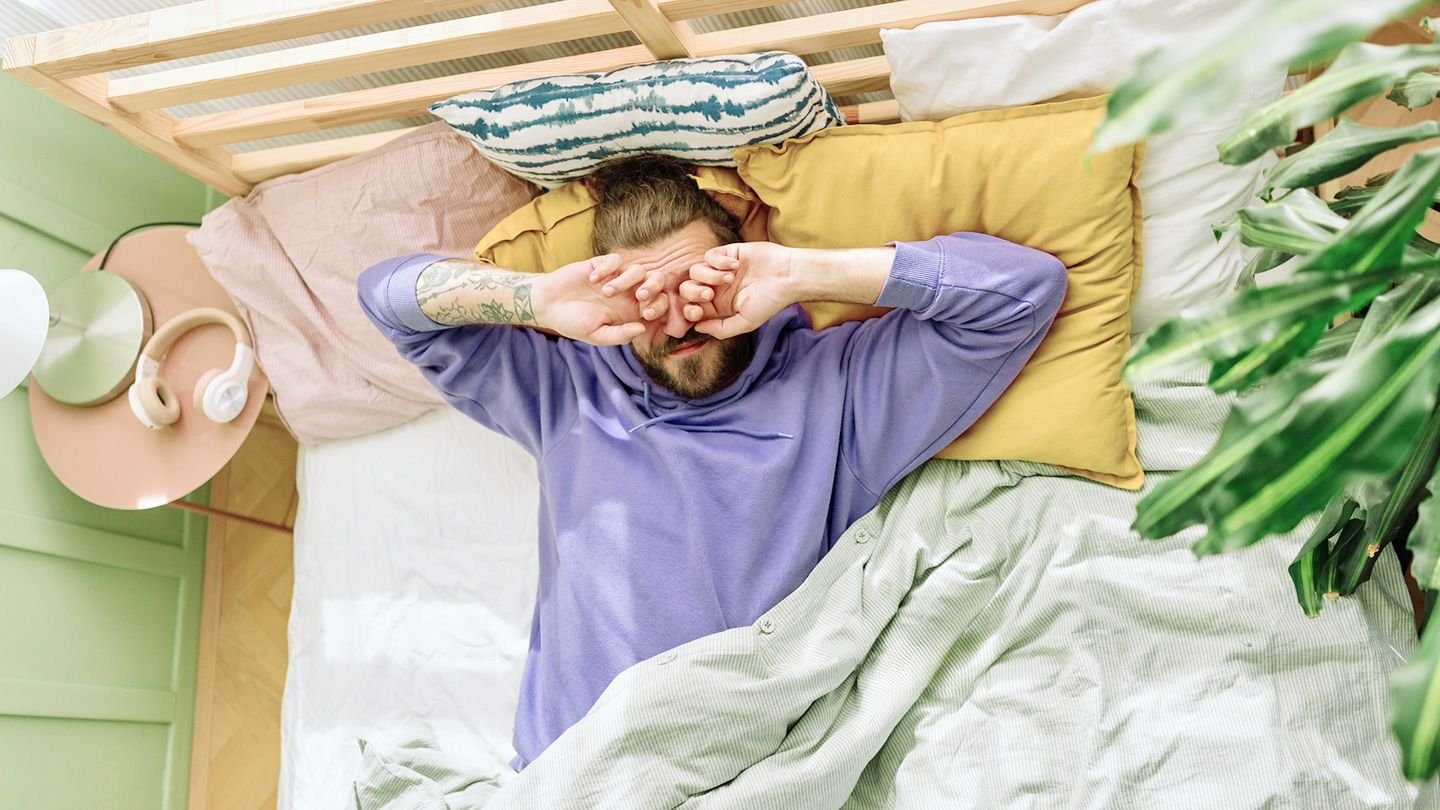
The timing of your meals matters just as much as the ingredients. You may like to hit the hay soon after your evening meal, but your stomach may not be as fond of that plan.
Your body needs time to digest, which is why you feel bloated after eating later in the night. This can also be experienced as upper abdominal bloating, causing issues like pain or heartburn, Sonpal says.
What to Do
There’s no hard-and-fast rule when it comes to your eating windows — every person’s digestive system is different.
But it’s probably best to eat your last meal or snack at least two to three hours before bedtime to ensure restful sleep and a bloat-free morning, says Sonpal. He also suggests adding a walk after dinner to help with digestion.
If you have to eat late at night sometimes, you can try taking gas medicine to help relieve pain and bloating.
4. You’re Constipated
Sometimes you can get too much of a good thing. This is true of fiber.
A macronutrient needed for a healthy gut and movement of stool through your intestines, high-fiber foods or fiber supplements are a great way to ensure digestive health.
However, if you eat too much fiber, too much bulk can be added to your stool, making it harder to move through your system and causing constipation, bloating, and cramping, according to Mayo Clinic.
This could easily be a reason why you’re feeling end-of-day bloating or bloating in the morning — especially if you’ve treated yourself to a bowl of high-fiber cereal before bed.
What to Do
If you’re not used to getting lots of fiber in your diet, try introducing it slowly and in small amounts. This will help reduce the chances of it causing negative effects, according to Mayo Clinic.
If you’re unsure about how much fiber you need, talk with your doctor or a dietitian, who can make suggestions. The American Heart Association suggests consuming 25 to 30 grams of fiber a day, and that it comes from varied food sources — not supplements.
5. You’re Not Exercising Enough
Taking a break from exercise may be another reason you’re waking up bloated, Sonpal says. Exercise is part of an overall healthy lifestyle and can help encourage proper nutrition and hydration.
“While exercise cannot, alone, fix the issue of bloating, it can help keep your system functioning at its best while also physically helping move gas for easier passage,” he says.
What to Do
Figuring out how to stop bloating through exercise? Aim to get at least 150 minutes of moderate-intensity cardio activity each week, as recommended by the Physical Activity Guidelines for Americans. Moderate activity includes walking, hiking, or jogging.
You can also add a few minutes of stretching to your day to combat bloating. Even a simple cat-cow or spinal rotation stretch can help promote better digestion.
6. You Have Irritable Bowel Syndrome
Bloating is common in patients with irritable bowel syndrome (IBS). There are many triggers for IBS symptoms, including dietary and other factors such as stress.
Besides having a “nervous stomach,” where you’re more prone to diarrhea or loose stool when anxious or stressed, you could also experience bloat during stressful times.
There is now a lot of research on the well-established connection between the gut and the brain, according to Harvard Health Publishing. Research also shows that stress can be a trigger for IBS with diarrhea, further highlighting this relationship.
If your bloat is accompanied by pain, cramping, gas, and diarrhea or constipation, it’s likely the result of an underlying condition like IBS, which can be treated with medications and lifestyle changes.
What to Do
One way to reduce bloating due to stress is to reduce or manage stressors in your life. This can be done through planning out your daily schedule, doing yoga or meditating, deep-breathing, or journaling and performing other self-care techniques like taking a warm bath or spending time with loved ones.
7. You Have a Gut Bacteria Imbalance
Your gut in its healthy state should have plenty of good bacteria that make up what’s called your gut’s microbiome.
If the amount of “good” versus “bad” bacteria is off-kilter in your gut, you may experience that bloat when you first wake up (or any time of day, really).
This kind of imbalance can occur if you’re sick with a bacterial infection, you’ve recently taken antibiotics, or you have an illness called small intestinal bacterial overgrowth, according to The Nutrition Source.
What to Do
One of the best ways to rebalance your gut’s microbiome is by eating foods that are naturally high in probiotics (i.e., the good bacteria), like yogurt, kimchi, and sauerkraut. You may also want to prioritize foods with prebiotics (think: fruits, veggies, and whole grains such as oats and whole wheat), because prebiotics feed the probiotics in your gut, helping them thrive and creating a stronger microbiome overall.
You can also talk with your doctor about taking a probiotic supplement. There are several different kinds of probiotics on the market, but try reaching for one that particularly targets gut health. You could also try other vitamins and supplements that target bloating.
8. You Have a Food Intolerance
Sometimes the cause of morning bloat can be due to a food intolerance, like lactose or gluten intolerance. Research shows that bloating is a common side effect of food intolerances.
Additionally, if you are bloated every time you eat certain fruits or sugars, you could be sensitive to foods high in FODMAPs, or short-chain carbohydrates like lactose or fructose.
A common symptom of a food intolerance is almost immediate bloating and the need to go to the bathroom soon after eating the food, or conversely, bloating and constipation.
What to Do
Your doctor can help you determine whether you have a food intolerance through a series of tests like the hydrogen breath test or the elimination diet. After, they may suggest trying a low-FODMAP diet, which should help reduce the symptoms of bloating and stomach pain.
When to See a Doctor About Bloating
If you’ve tried the above suggestions to reduce morning bloat (including natural remedies for bloating like peppermint oil or a gentle laxative to relieve constipation) and still feel puffy, you may want to talk with your doctor, especially if there are other, more concerning symptoms such as weight loss, loss of appetite, or blood in your stool.
They can help you narrow down the cause of your bloating and discuss what testing may be needed.
