

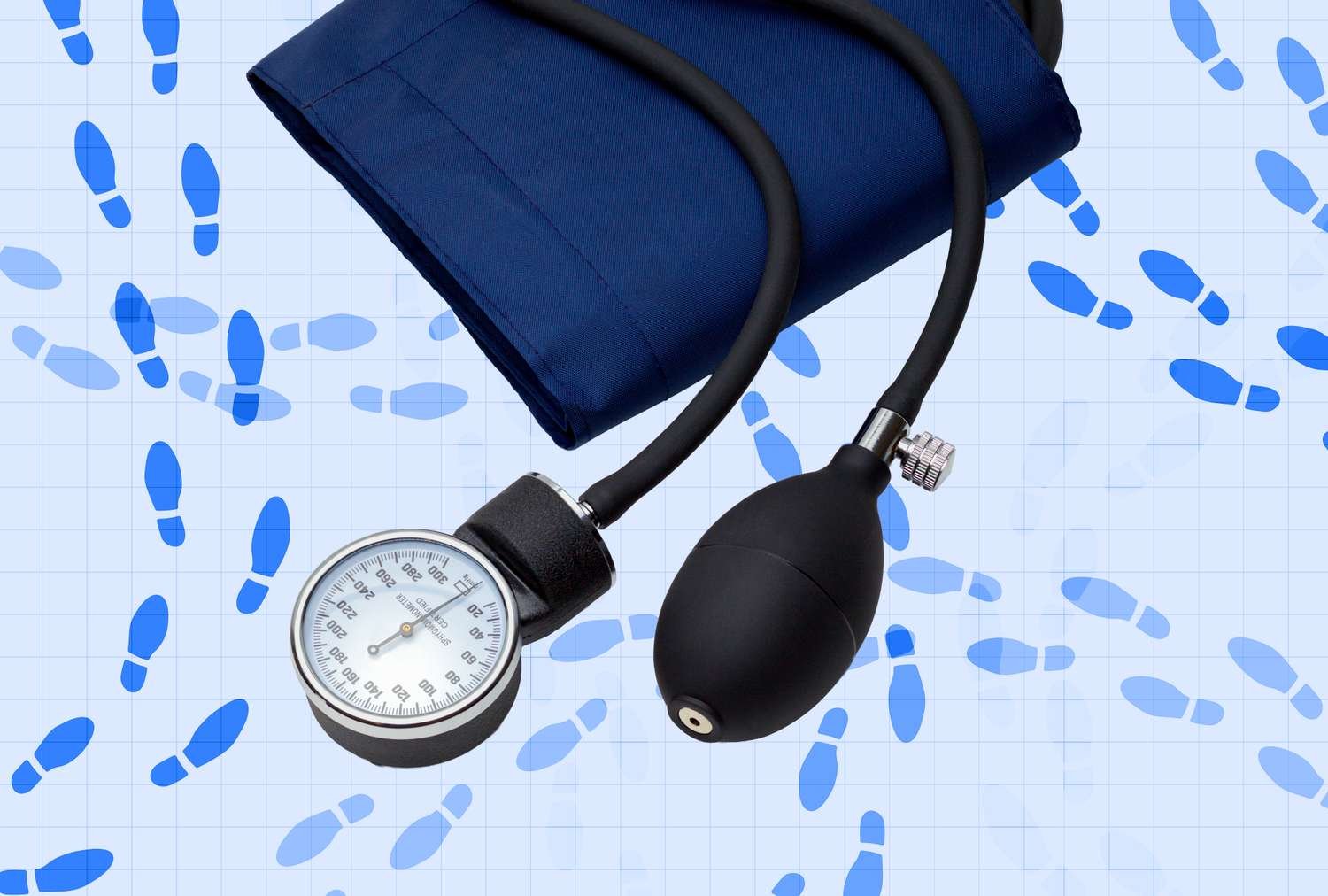
- Walking regularly helps lower blood pressure by improving heart and vascular health.
- You don’t need 10,000 steps—benefits start as low as 3,000 to 5,000 steps a day.
- Consistent walks are more important than hitting an exact step count.
Ever feel that buzz or ding from your smartwatch on your wrist, reminding you that you haven’t hit your step goal yet? From smartwatches to fitness apps, the 10,000-step goal is everywhere. That number has become a popular benchmark—but what does walking that much each day actually do for your blood pressure?
We asked cardiologists to explain how walking impacts blood pressure, what the science says about step count and how to turn walking into a heart-healthy habit—no matter your starting point.
Why Walking Impacts Your Blood Pressure
There are countless ways walking can positively influence your blood pressure numbers.
Strengthens Your Heart
Walking for exercise doesn’t just build stronger leg muscles—it also can strengthen your heart.
“Walking is an aerobic exercise that strengthens the heart. A stronger heart can pump more blood with less effort, which reduces the force on your arteries and lowers blood pressure,” says cardiologist Ryan K. Kaple, M.D., FACC.
With a stronger heart, your body circulates blood more effectively to your muscles and organs, supporting healthy circulation and keeping blood pressure levels steady.
Supports Your Vascular Health
Walking doesn’t just benefit your heart—it also promotes the health of your blood vessels.
“Consistent physical activity improves the health of your blood vessels by stimulating the release of nitric oxide, a molecule that helps relax and widen the vessels, promoting better blood flow and reducing pressure,” explains Kaple.
Over time, your arteries become more flexible, an important factor for maintaining healthy blood flow and circulation. “More daily walking is associated with reduced arterial stiffness and improved arterial wall compliance, which translates into lower systolic pressure and lower workload on the heart,” adds Hany Demo, M.D., FACC, FHRS, a cardiac electrophysiologist.
Helps Manage Stress
Going for a brisk walk can also be a powerful stress-reliever.
“A brisk walk is a powerful tool for stress reduction, lowering levels of stress hormones like cortisol that can contribute to elevated blood pressure over time”, says Kayle.
Research has found that even people with normal blood pressure but elevated cortisol levels may have a higher risk of developing hypertension. All the more important to work on managing your stress.
Aids in Weight Management
Walking can help support a healthy weight, which is closely linked to blood pressure control.
“Regular walking helps insulin sensitivity and modestly reduces body fat and systemic inflammation—those metabolic effects reduce vascular dysfunction and long-term blood pressure elevation,” explains Srihari S. Naidu, M.D., FACC, FAHA, FSCAI, an interventional cardiologist.
Research shows that weight loss lowers both systolic and diastolic blood pressure, and the greater the weight loss, the larger the drop in blood pressure, especially in people with a higher BMI.
“Losing even a small amount of excess weight—as little as 5 to 10 pounds—can lead to a significant reduction in blood pressure readings,” adds Kayle.
Body mass index (BMI) is a measure often used in healthcare to determine a person’s body weight category, such as overweight or obese, and, therefore, their chronic disease risk. However, it has limitations and does not account for individual factors that influence one’s health status, such as body composition, ethnicity, race, sex and age. This is why it shouldn’t be used as a comprehensive measure of someone’s health and can be a source of body size stigma and bias.
What Research Says About 10,000 Steps and Blood Pressure
While 10,000 steps is often seen as a gold standard, the science shows that benefits start well before that.
Recent research in adults with high blood pressure found that taking more steps and at a higher intensity was linked to a lower risk of cardiovascular events, heart failure and stroke. “Every 1,000 increase in step count reduced the risk of heart disease and stroke by 17% [in the study],” explains Naidu. But once people reached about 10,000 steps, the improvements leveled off, indicating walking more than that didn’t provide extra protection.
Other studies show you don’t need to hit 10,000 to see improvements, either. Some research suggests that walking around 7,000 steps per day is associated with a 25% lower risk of cardiovascular disease, indicating that benefits begin well before the 10,000-step mark.
The pace of your walk matters too. Studies show that brisk walking significantly reduces blood pressure in people with both hypertension and prehypertension. “It shows intensity (brisk pace) matters for magnitude, though total volume is also important,” explains Demo.
And consistency is key. “Many studies show that total daily steps (volume)—even if accumulated in many short bouts—is strongly associated with blood pressure and cardiovascular disease risk. Consistent daily walking over weeks to months is necessary to realize sustained blood pressure improvements.”
The takeaway? You don’t need to hit 10,00 steps to see results. ”Research shows that even adding a few thousand steps a day—say, going from 3,000 to 5,000—can begin to lower your risk. Think of 10,000 as a nice stretch goal, but not an all-or-nothing target,” adds Heather Shenkman, M.D., an interventional cardiologist.
7 Tips to Make Walking a Daily Habit
Walking is one of the most accessible, easiest and free ways to show your heart some love. Here’s how to make it a sustainable part of your routine, according to cardiologists:
- Start Small: Remember, you don’t need to complete all your steps in one go. Three 15-minute brisk walks throughout the day are just as effective and can feel more manageable, says Kaple.
- Sneak in Steps: “The key is to walk whenever you can—at work, at home, leaving the garage or at the mall or grocery store. Park your car further from the entrance to force in the steps. Save some time during the lunch break to walk”, recommends Naidu.
- Stack Your Habits: Link walking with existing routines, AKA habit stacking. “Walk 20 minutes immediately after you finish lunch or as soon as you get home from work”, says Kaple.
- Make It Fun: Listening to music or a podcast can make walks more enjoyable—and may even help you go farther than planned.
- Track Your Progress: Use a smartwatch or phone tracker to monitor your steps and stay accountable. “Studies using wearable devices show step awareness itself helps people increase volume,” says Demo.
- Enlist a Walking Buddy: Walking with a friend will make your walk more bearable and help you stay accountable. Pre-scheduling walking dates with a friend are harder to skip!
- Challenge Yourself By Incorporating Brisk Walks: Include a few 10–30 minute brisk walks each week—one that gets your breathing and heart rate up, says Demo. “Brisk walking yields bigger blood pressure reductions than very slow walking.”
Walking Plan to Try
The Best Walking Plan to Lower Blood Pressure
Our Expert Take
Walking has powerful benefits for your heart—it strengthens your cardiovascular system, helps regulate stress and weight and improves blood pressure. While 10,000 steps is a great long-term goal, the most important thing is to build a walking habit that’s consistent and enjoyable. “Every step counts, and building the habit matters more than chasing a number,” says Shenkman.
Cardiologists recommend starting small and tracking your progress. Look for opportunities to walk whenever you can and make it enjoyable by listening to music or inviting a friend. And remember: every step is a step toward better heart health.
