

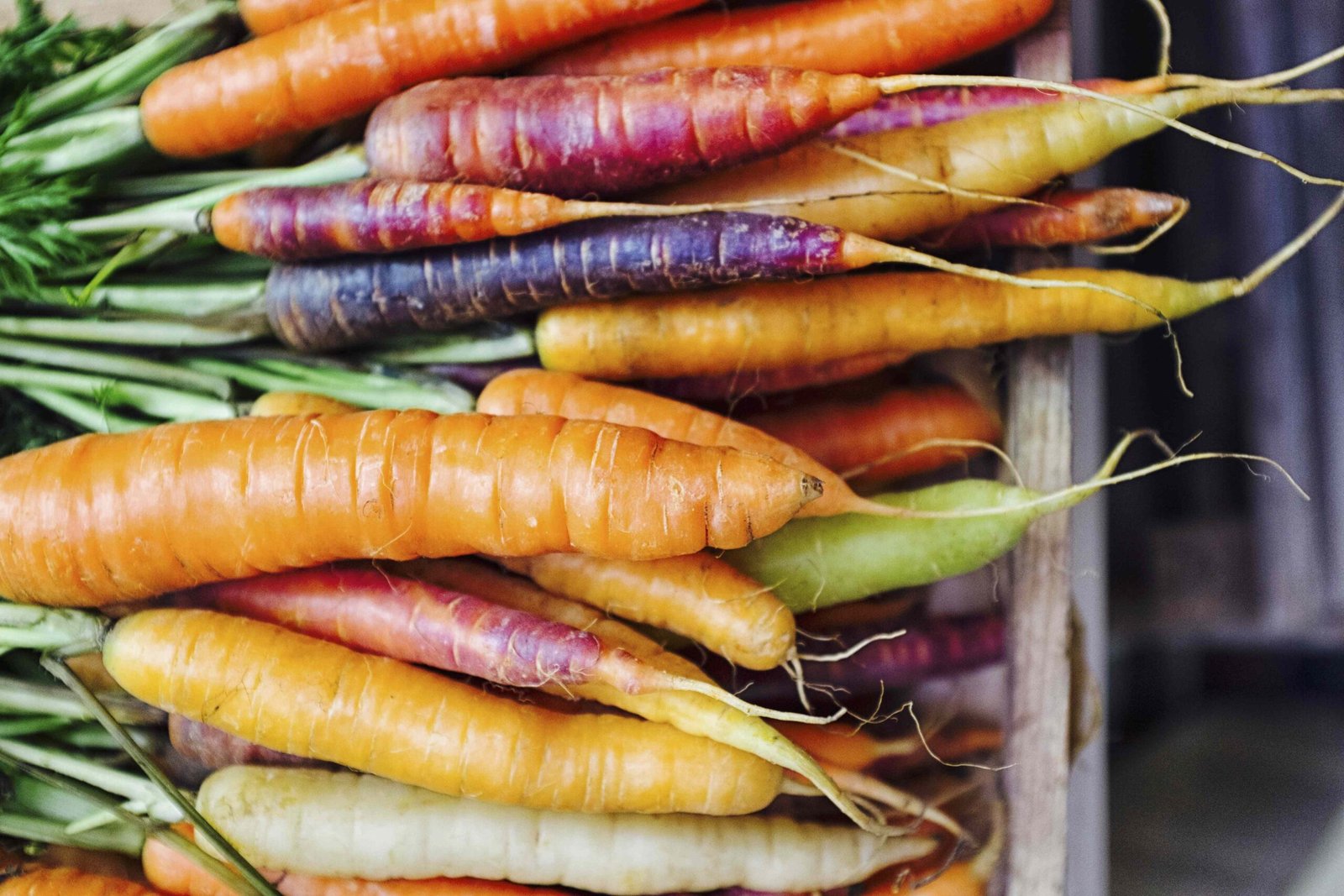
Root vegetables are the edible parts of plants that grow underground. Some common examples include carrots, sweet potatoes, and bulbs, like onions and garlic.
Root vegetables are highly nutritious, providing an abundance of energy, vitamins, minerals, and protective plant compounds. They also stay fresh longer than other vegetables, making them a convenient and healthy choice.
szjphoto / Getty Images
Sweet potatoes are a healthy, tasty root vegetable packed with fiber, B vitamins, and vitamin A.
One 3.5-ounce (oz) serving of baked sweet potato with the skin contains:
- Calories: 90
- Protein: 2.01 grams (g)
- Carbohydrates: 20.7 g
- Fiber: 3.3 g
- Vitamin A: 961 micrograms (mcg), or 107% of the Daily Value (DV)
- Vitamin B6: 0.286 milligrams (mg), or 17% of the DV
- Vitamin C: 19.6 mg, or 22% of the DV
- Manganese: 0.497 mg, or 22% of the DV
- Potassium: 475 mg, or 10% of the DV
Sweet potatoes are especially high in provitamin A carotenoids, such as beta-carotene. Your body converts some of these carotenoids into the active forms of vitamin A, which supports immunity, cell growth, and vision.
Eating foods high in carotenoids may help reduce your risk of chronic (long-term) diseases, including certain cancers and heart disease.
carolafink / Getty Images
Like sweet potatoes, carrots are packed with carotenoids that have strong antioxidant properties.
One cup of carrots provides:
- Calories: 50
- Protein: 1.14 g
- Carbohydrates: 11.7 g
- Fiber: 3.4 g
- Vitamin A: 1,020 mcg, or 113% of the DV
- Vitamin B6: 0.169 mg, or 10% of the DV
- Vitamin K: 16.1 mcg, or 13% of the DV
- Potassium: 390 mg, or 8% of the DV
Carrots are high in vitamins A, B6, and K. They also contain potassium, which regulates blood pressure.
Eating carrots has many health benefits, such as a reduced risk of cancers, including colorectal, leukemia, pancreatic, lung, breast, and prostate cancer.
Cavan Images, Inna Chernysh / Getty Images
Radishes get their spicy, peppery taste from sulfur-containing compounds called isothiocyanates, which have strong antioxidant and anti-inflammatory effects.
One cup of raw radishes provides:
- Calories: 18.4
- Protein: 0.8 g
- Carbohydrates: 3.9 g
- Fiber: 1.8 g
- Vitamin C: 17 mg, or 19% of the DV
A cup of radishes provides nearly 20% of your daily vitamin C needs. Vitamin C is essential for immunity. Radishes also provide coenzyme Q10, anthocyanins, and phenolic acids, which have cell-protecting properties.
Nungning20 / Getty Images
Purple potatoes are high in pigments called anthocyanins, which give them their color and health benefits. These and other anthocyanin-rich foods have powerful anti-inflammatory and antioxidant properties, which may especially support heart health.
Consuming 200 g of cooked purple potatoes daily can improve arterial stiffness more than white potatoes. More flexible arteries function better and reduce your risk of heart disease, heart attack, and dementia.
A 100 g serving of purple potatoes provides:
- Calories: 74
- Protein: 2.03 g
- Carbohydrates: 17.6 g
- Fiber: 1.4 g
- Potassium: 419 mg, or 9% of the DV
- Vitamin B6: 0.135 mg, or 8% of the DV
- Vitamin C: 18.2 mg, or 20% of the DV
Purple potatoes contain vitamin C, potassium, and B6. Vitamin B6 is required for over 100 chemical reactions in the body.
NoSystem images / Getty Images
Parsley root is high in antioxidants, such as vitamin C, carotenoids, and flavonoids. The entire plant, including its roots, is edible.
A 100 g serving of parsley root contains:
- Calories: 49
- Protein: 2.6 g
- Carbohydrates: 10.5 g
- Fiber: 4.2 g
- Vitamin C: 45 mg, or 50% of the DV
- Niacin: 2 mg, or 13% of the DV
- Folate: 180 mcg, or 45% of the DV
- Vitamin K: 339 mcg, or 333% of the DV
Along with vitamin C, parsley root contains flavonoids and vitamin A.
Roy Morsch / Getty Images
Turnips are low in calories and carbohydrates and high in fiber and vitamin C.
One cup of mashed turnips provides:
- Calories: 50.6
- Protein: 1.63 g
- Carbohydrates: 11.6 g
- Fiber: 4.6 g
- Vitamin C: 26.7 mg, or 30% of the DV
One cup of turnips provides 16% of the daily value for fiber. Eating enough fiber helps promote regular bowel movements and supports good bacterial growth in the digestive tract. It also covers 30% of your daily vitamin C needs.
Turnips are also much lower in carbohydrates than other root vegetables.
istetiana / Getty Images
Beets are high in fiber, vitamins, and minerals. They get their vibrant red color and health benefits from natural pigments called betalains, plant compounds with anti-inflammatory effects.
Betalains improve blood vessel function and cholesterol levels. Beets also have nitrates, which relax blood vessels, helping to support healthy blood pressure. Eating beets can help reduce heart disease risk.
One cup of cooked beets contains:
- Calories: 74.8
- Protein: 2.86 g
- Carbohydrates: 16.94 g
- Fiber: 2.89 g
- Potassium: 518 mg, or 11% of the DV
- Folate: 136 mcg, or 34% of the DV
- Magnesium: 39.2 mg, or 9% of the DV
Beets are also a good source of potassium, folate, and magnesium, a mineral required for blood sugar regulation.
Aleksandr Zubkov / Getty Images
Onions are rich in vitamin C and other antioxidants, like flavonoids and sulfur.
A small-to-medium onion contains:
- Calories: 59.2
- Protein: 1.63 g
- Carbohydrates: 13.8 g
- Fiber: 2.52 g
- Vitamin C: 11 mg, or 12% of the DV
- Folate: 28.1 mcg, or 7% of the DV
Eating onions may lower the risk of high blood lipid levels, high blood pressure, diabetes, and obesity.
Kinga Krzeminska / Getty Images
Rutabaga is a cross between a cabbage and a turnip.
One cup of cooked, mashed rutabaga provides:
- Calories: 72
- Protein: 2.23 g
- Carbohydrates: 16.4 g
- Fiber: 4.32 g
- Vitamin C: 45.1 mg, or 50% of the DV
- Potassium: 518 mg, or 11% of the DV
- Niacin: 1.72 mg, or 11% of the DV
- Thiamin: 0.19 mg, or 16% of the DV
One cup of mashed rutabaga meets about 15% of your daily fiber needs. The same serving meets about 50% of your vitamin C needs. Rutabaga also contains the B vitamins niacin and thiamine, which are necessary for growth, energy metabolism, and cell function.
Westend61 / Getty Images
Parsnips are packed with nutrients like potassium, vitamin E, fiber, vitamin C, magnesium, and folate.
One cup of cooked parsnip contains:
- Calories: 110.8
- Protein: 2 g
- Carbohydrates: 26.6 g
- Fiber: 5.6 g
- Vitamin C: 20.1 mg, or 22% of the DV
- Potassium: 572 mg, or 12% of the DV
- Magnesium: 45.2 mg, or 11% of the DV
- Folate: 90.4 mcg, or 23% of the DV
One cup of cooked parsnips meets 20% of your daily value of fiber. Fiber slows digestion, helping you feel full and regulating blood sugar after you eat. Parsnips are especially beneficial if you’re trying to manage blood sugar levels and maintain a healthy weight.
Yulia Naumenko / Getty Images
Garlic has organosulfur compounds (organic molecules that contain sulfur), such as S-allyl cysteine and diallyl disulfide, which have antioxidant and anti-inflammatory effects in the body.
Eating garlic regularly can reduce inflammatory markers like C-reactive protein (CRP) and boost levels of superoxide dismutase (SOD), an antioxidant enzyme. It can also lower your risk of heart disease and certain cancers.
Three cloves of garlic contain:
- Calories: 13.4
- Protein: <1 g
- Carbohydrate: 2.98 g
- Fiber: <1 g
Emilija Manevska / Getty Images
Celeriac is a root vegetable that belongs to the same family as celery and parsley. It’s close in taste to celery and provides similar nutrients, including vitamin C and potassium.
One cup of cooked celeriac contains:
- Calories: 41.8
- Protein: 1.4 g
- Carbohydrates: 9.1 g
- Fiber: 1.8 g
- Vitamin C: 5.58 mg, or 6% of the DV
- Potassium: 268 mg, or 6% of the DV
Celeriac also contains a variety of antioxidants, including flavonoids like apigenin and luteolin, which protect your cells.
wulingyun / Getty Images
Ginger is rich in powerful antioxidants, including gingerols, shogaols, and paradols, providing impressive health benefits. Regularly eating ginger can benefit heart and gut health and may improve blood sugar levels and inflammatory markers.
One teaspoon of raw ginger provides:
- Calories: 1.6
- Protein: <1 g
- Carbohydrate: <1 g
- Fiber: <1 g
Larger ginger portions provide some potassium and magnesium, as well.
