
Close Menu
Fit and Healthy Weight

    Subscribe to Updates

    Get the latest creative news from FooBar about art, design and business.

    What's Hot

    A Trainer’s 6-Minute Morning Routine

    March 30, 2026

    Why Your Allergy Medicines Stop Working—and What Doctors Say Might Help

    March 30, 2026

    Rory McIlroy Reveals His Mental Toughness Secrets for Conquering the Masters

    March 30, 2026
    Facebook X (Twitter) Instagram
    Facebook X (Twitter) Instagram
    Fit and Healthy Weight
    Monday, March 30
    • Home
    • Diet
    • Mindset
    • Recipes
    • Reviews
    • Stories
    • Supplements
    • Tips
    • Workouts
    Fit and Healthy Weight
    Home»Stories»What Happens to Your Blood Sugar When You Drink Coffee
    Stories

    What Happens to Your Blood Sugar When You Drink Coffee

    By October 20, 2025No Comments4 Mins Read
    Share Facebook Twitter Pinterest LinkedIn Tumblr Reddit Telegram Email
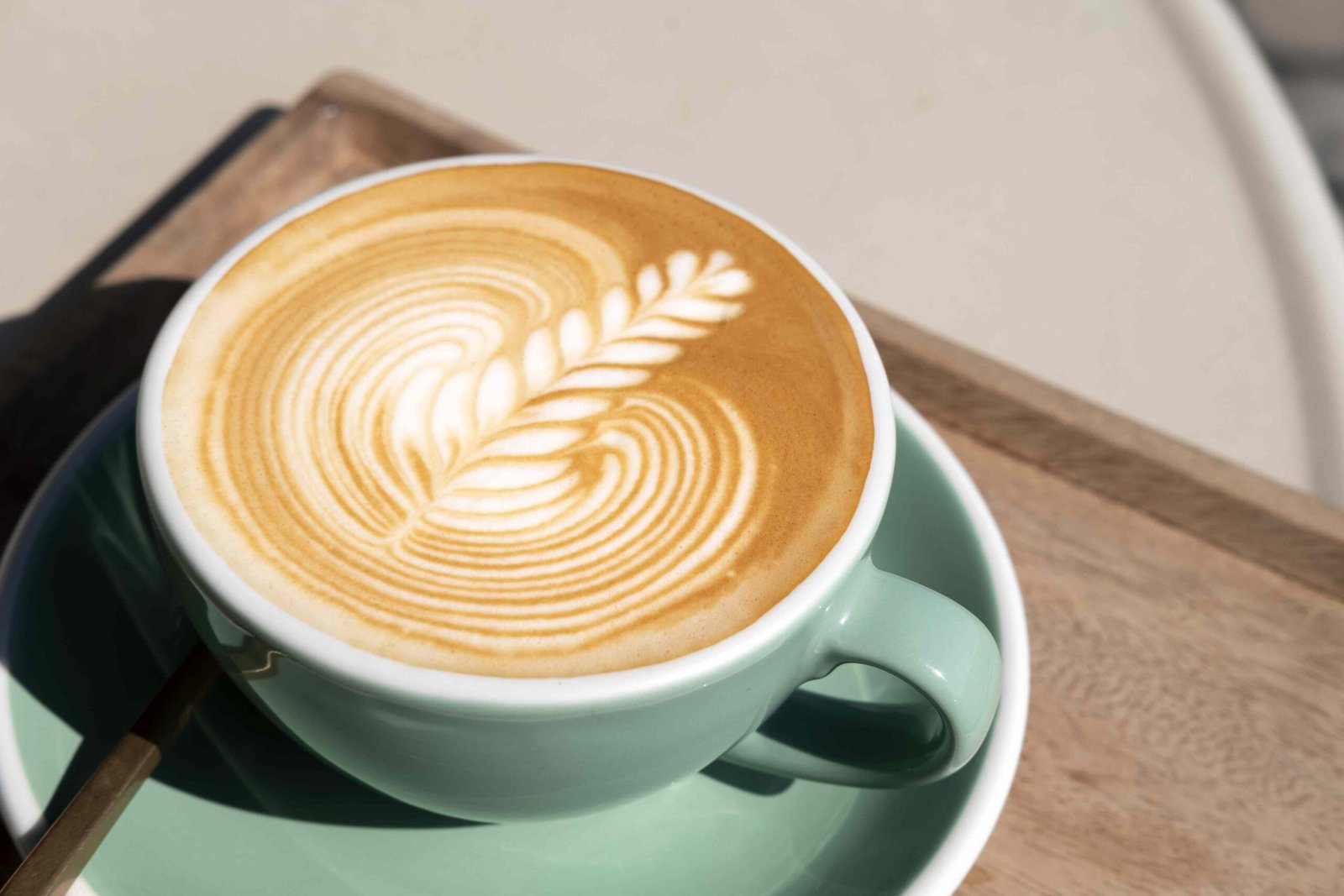
    What Happens to Your Blood Sugar When You Drink Coffee

    kittimages / Getty Images

    Share
    Facebook Twitter LinkedIn Pinterest Email


    Coffee is known for its energizing effects, and research has linked it to a lower risk of chronic conditions like heart disease and certain cancers. But how does it affect blood sugar? Here’s what experts say.

    One of the ways coffee influences blood sugar is through the caffeine it contains, Catherine Metzgar, PhD, RD, a registered dietitian and director of coaching at Virta Health, told Health. 

    Here’s how it works: Caffeine triggers the nervous system’s fight-or-flight response and stimulates the release of the stress hormones cortisol, epinephrine, and norepinephrine. These hormones signal the liver to release stored glucose into the bloodstream, causing a temporary rise in blood sugar.

    “At the same time, caffeine can lower the cell’s response to insulin, so the cells don’t use blood sugar as efficiently, leaving more in the bloodstream,” Michelle Routhenstein, MS, RD, CDCES, CDN, a registered dietitian focused on preventive cardiology nutrition, told Health.

    This short-lived effect on blood glucose and insulin levels is most evident in non-habitual coffee drinkers, Dorothea Schlesinger, MD, a Berlin-based endocrinologist who specializes in metabolic and hormonal health, told Health. 

    For regular coffee drinkers, however, long-term consumption actually appears to benefit blood sugar. Some research reviews have found that people who drink moderate amounts (about three to four cups a day) of either caffeinated or decaf coffee have up to a 25% lower risk of developing type 2 diabetes compared to those who drink two or fewer cups daily.

    “This likely reflects improved insulin sensitivity, modulation of oxidative stress, and the contribution of bioactive polyphenols, such as chlorogenic acids—compounds present in both caffeinated and decaffeinated coffee,” Schlesinger said. 

    Coffee’s influence on blood sugar isn’t just about caffeine—other factors play a role, too: Here are some of them:

    • Whether additives are used: Sugar, flavored syrups, and sweetened creamers add carbohydrates and calories that can significantly raise blood sugar, especially for those who drink multiple cups a day, Metzgar said. 
    • When you drink coffee: Circadian rhythm and cortisol levels can affect coffee’s metabolic impact, Schlesinger said. Drinking coffee in the morning generally leads to smaller glucose bumps compared to the afternoon or evening, when insulin sensitivity is naturally lower. 
    • If you drink coffee on an empty stomach: “Drinking coffee first thing in the morning on an empty stomach can cause blood sugar levels to rise due to morning cortisol and faster absorption rate,” Routhenstein said. Drinking coffee after breakfast, on the other hand, can help buffer the blood sugar response.
    • Your individual response to caffeine: Genetics, caffeine sensitivity, sleep quality, stress, and overall lifestyle can all influence how coffee affects an individual’s blood sugar, Metzgar explained. 

    For most people, small blood sugar changes from coffee aren’t cause for concern, Metzgar said. 

    Routhenstein agreed: “Having 8 to 16 ounces—one or two standard cups—per day is usually well-tolerated for most people,” she said. “What matters most is how much caffeine you consume, what you add to your coffee, and what else you’re eating.”

    That said, people with prediabetes or diabetes may want to be a bit more mindful about their consumption. “These spikes can make blood sugar management more challenging,” Routhenstein explained.

    Even so, these temporary spikes don’t appear to have lasting effects. “There is no evidence that moderate regular coffee consumption worsens long-term glycemic control,” Schlesinger said. 

    If you’re concerned about how coffee impacts your blood sugar, both Routhenstein and Metzgar said using a glucose meter or continuous glucose monitor can show you how your body responds to caffeine.

    But when it comes down to it, your focus shouldn’t solely be on coffee. What’s most important, Metzger said, is “to look at your overall eating pattern and how all the pieces work together to support good health.” 

    Blood Coffee Drink Sugar
    Share. Facebook Twitter Pinterest LinkedIn Tumblr Email
    Previous ArticleCleanliness and Mental Health: What’s the Connection?
    Next Article 5 Foods to Avoid When Taking Blood Pressure Medication

      Related Posts

      Stories

      Is it true that … you can never eat too much fibre? | Health & wellbeing

      March 30, 2026
      Stories

      ‘Worst case I get to ride a lot’: Lael Wilcox on her quest to become the fastest human to cycle round the world | Cycling

      March 30, 2026
      Stories

      ‘The highs are extremely high – but the lows are extremely low’: when working out becomes an addiction | Fitness

      March 29, 2026
      Add A Comment
      Leave A Reply Cancel Reply

      Top Posts

      New Research Shows Eggs Don’t Raise Your Cholesterol—But Here’s What Does

      August 1, 20256 Views

      6 Best Weightlifting Belts of 2025, According to Trainers

      July 3, 20255 Views

      What happened when I started scoring my life every day | Chris Musser

      January 28, 20262 Views
      Stay In Touch
      • Facebook
      • YouTube
      • TikTok
      • WhatsApp
      • Twitter
      • Instagram
      Latest Reviews
      Tips

      When Is the Best Time to Eat Dinner for Your Health?

      adminJuly 1, 2025
      Diet

      This Intermittent Fasting Method Outperformed the Rest—But There’s a Catch

      adminJuly 1, 2025
      Workouts

      ‘Neckzilla’ Rubel Mosquera Qualifies for 2025 Mr. Olympia After Flex Weekend Italy Pro Win

      adminJuly 1, 2025

      Subscribe to Updates

      Get the latest tech news from FooBar about tech, design and biz.

      Most Popular

      When Is the Best Time to Eat Dinner for Your Health?

      July 1, 20250 Views

      This Intermittent Fasting Method Outperformed the Rest—But There’s a Catch

      July 1, 20250 Views

      Signs, Identification, Impact, and More

      July 1, 20250 Views
      Our Picks

      A Trainer’s 6-Minute Morning Routine

      March 30, 2026

      Why Your Allergy Medicines Stop Working—and What Doctors Say Might Help

      March 30, 2026

      Rory McIlroy Reveals His Mental Toughness Secrets for Conquering the Masters

      March 30, 2026
      Recent Posts
      • A Trainer’s 6-Minute Morning Routine
      • Why Your Allergy Medicines Stop Working—and What Doctors Say Might Help
      • Rory McIlroy Reveals His Mental Toughness Secrets for Conquering the Masters
      • Chair Exercises for Core Strength After 60, Per a Coach
      • A Truly Lazy Person Doesn’t Exist, According to Psychologists
      Facebook X (Twitter) Instagram Pinterest
      • About Us
      • Contact Us
      • Disclaimer
      • Privacy Policy
      • Terms and Conditions
      © 2025 Fit and Healthy Weight. Designed by Pro.

      Type above and press Enter to search. Press Esc to cancel.