

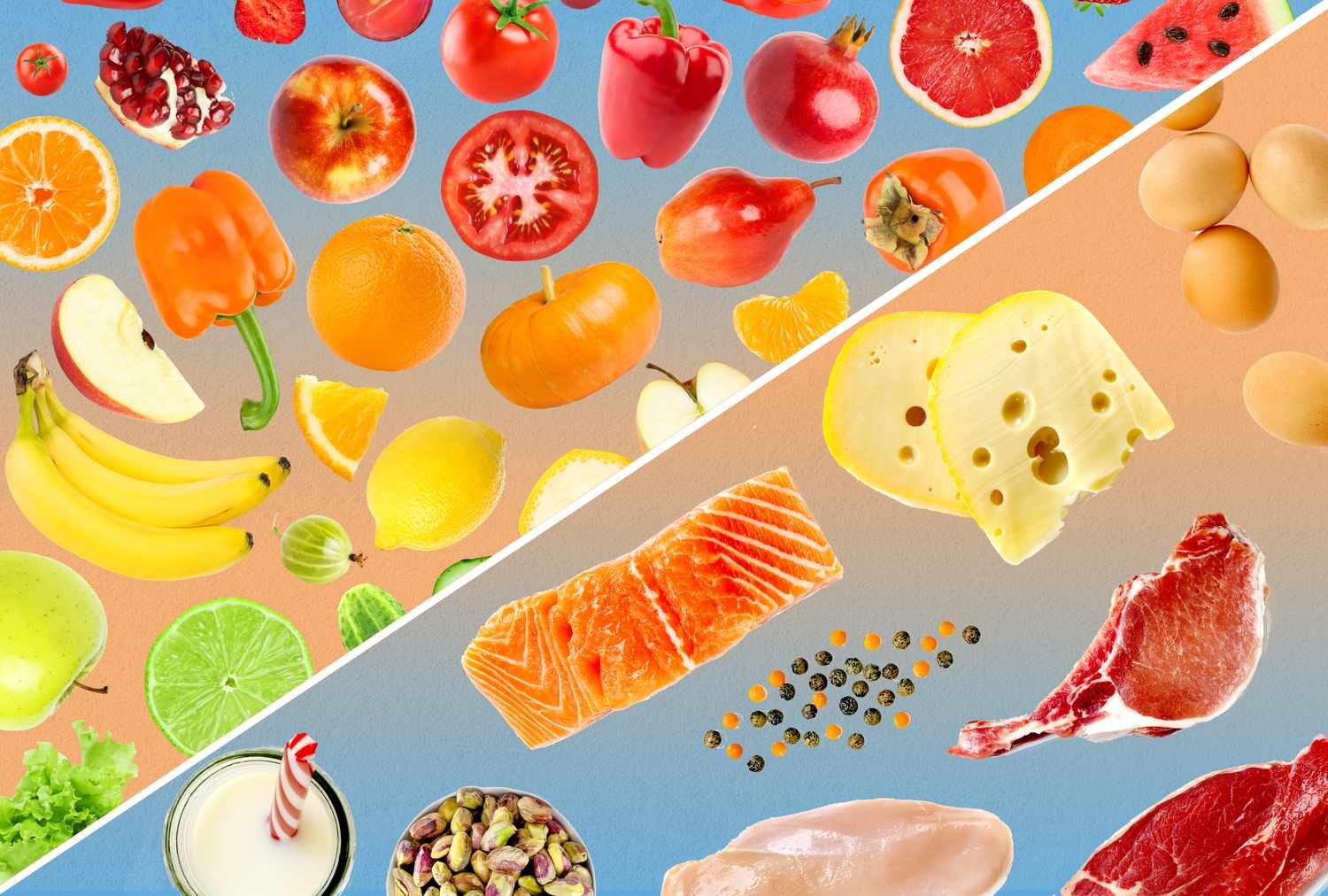
- Most Americans meet protein needs but fall short on daily fiber intake.
- Fiber supports digestion and heart health, while protein helps maintain muscle.
- Combining both nutrients at meals boosts fullness and long-term health benefits.
Over the last decade, protein has become the darling of the food industry, getting added to everything from popcorn to pasta. Its popularity may come from its reputation for keeping you full and helping build muscle mass. But fiber, though less talked about, is just as essential, supporting digestion, heart health and long-term disease prevention. With one nutrient often overemphasized and the other commonly under-consumed, it can be hard to know where your focus should be. This article will break down the benefits of both fiber and protein, explain why you don’t need to choose between them, and offer dietitian-recommended ways to include both in your diet.
Why Protein Gets So Much Attention
Protein doesn’t get attention for nothing. It is an important nutrient, especially for keeping us full. Both the food industry and everyday people, “are so interested in protein because it’s so satiating,” says Tracy Colin, M.S., RDN. Prioritizing this quality in a nutrient makes sense when an estimated 40% of Americans are actively trying to maintain a calorie deficit. Research shows protein-rich meals can boost satiety hormones and reduce later calorie intake compared with lower-protein meals, which may explain why people see it as a reliable tool for appetite control.
Protein is also important for maintaining muscle mass, especially as you age. Protein helps, “preserve lean muscle as you get older,” says Samantha Cassetty, M.S., RD. Maintaining muscle supports strength, independence and metabolic health over time. Research shows that evenly distributing about 25 to 30 grams of protein at each meal maximizes muscle protein synthesis, which may help reduce age-related muscle loss.
Other benefits of protein include neurotransmitter production, immune cell synthesis, and bone density preservation. There’s no doubt that protein is an important nutrient, but it’s not the only nutrient, and most Americans are getting more than enough of it in their typical diets. The key is not just getting enough, but paying attention to how protein is distributed throughout the day and choosing sources that support overall health.
The Underrated Power of Fiber
Fiber may not be flashy, but it can still help make meals feel satisfying. Like protein, it helps you feel full, though the mechanism is different. “Fiber slows down digestion,” says Colin, which can help prevent sharp dips in blood sugar that may trigger cravings, she explains. Because fiber isn’t fully broken down, it blunts post-meal blood sugar spikes and extends the feeling of fullness. Research shows that increasing soluble fiber intake can reduce appetite and lower calorie intake, supporting healthy weight management over time.
Beyond satiety, fiber can support your long-term health in ways that protein can’t. “Fiber does a lot of heavy lifting,” says Cassetty. Soluble fiber helps lower cholesterol by binding to it in the digestive tract, while insoluble fiber adds bulk to stool and can promote regularity. Both types also feed beneficial gut microbes, which in turn can influence immune function and may help reduce inflammation.
These effects are also reflected in the research. High-fiber diets are associated with lower risks of heart disease, type 2 diabetes and certain cancers. Despite this, nearly 95% of Americans fall short of the recommended 25 to 38 grams per day. Adding more whole grains, beans, vegetables, and fruit can help fill that gap while supporting both digestion and long-term health.
Protein vs. Fiber: Do You Really Need to Choose?
The short answer is no, you don’t need to choose between protein and fiber. These two crucial nutrients are more partners than competitors, explains Colin. Protein helps preserve muscle and promote satiety, while fiber supports digestion and heart health. Both have health benefits and for an overall balanced diet, “it’s helpful to get both nutrients at each meal,” says Cassetty.
Though both nutrients are important for our health, most Americans consume far more protein than fiber in their diet. National survey data show average protein intake exceeds the Recommended Dietary Allowance for nearly all age groups, yet 90 to 95% of Americans fall short of the recommended fiber intake of 25 to 38 grams per day. Instead of choosing one nutrient over the other, the better approach is to make room for both, adds Colin.
Tips to Add More Protein and Fiber To Your Diet
- Start your day with protein: “Breakfast is often light on protein,” says Cassetty. Try mixing in Greek yogurt to oatmeal or adding a side of eggs with your morning toast.
- Add beans or lentils to meals: Toss them into foods you’re already eating like salads, soups or tacos, for added fiber and plant-based protein, recommends Colin.
- Choose whole grain: Replacing refined grains with whole grains like quinoa or farro can add 3 to 5 grams of fiber per serving.
- Combine the two: Foods like nuts, beans and lentils contain both fiber and protein, so adding in more of these sources can help meet both your fiber and protein needs.
- Add in snacks: Pair an apple with nut butter, grab roasted edamame or keep a handful of walnuts on hand. Even snacks with 1 gram of fiber “can add up quickly across the day,” says Colin.
- Sprinkle in seeds: Sprinkling chia, flax and hemp seeds into foods like oatmeal, yogurt or even on top of toast with nut butter, can help increase your fiber intake, recommends Colin.
Our Expert Take
Protein and fiber are not nutrients you need to pit against each other. Protein can support satiety and muscle maintenance, while fiber can promote digestion and lower the risk of chronic disease. Both are essential, and meals that include a mix of the two may help you stay satisfied in the short term, and lower your risk of chronic-disease in the long term.
Most Americans already consume enough protein, but not enough fiber. The good news is that adding more fiber doesn’t have to be complicated. Simple shifts like choosing whole grain foods, adding beans or lentils to meals and snacking on fruit or nuts can go a long way. Focusing on variety and balance, rather than ranking one nutrient above the other, seems like the most sustainable way to cover your bases.
