

Food safety is a major public health concern, with illness, hospitalizations, and deaths from contaminated food on the rise.
Confirmed cases of foodborne illness in the U.S. jumped 25% last year, according to a 2025 report from the U.S. Public Interest Research Group (PIRG) Education Fund.
“Right now, some of the biggest food safety risks include raw oysters, cucumbers, soft cheeses, ground beef, sprouts, raw milk, leafy greens, eggs, frozen berries, and deli meats,” Don Thushara Galbadage, PhD, MPH, associate professor of Applied Health Sciences at Texas Christian University, told Health.
“These foods have been linked to recent outbreaks of pathogens like Salmonella, E. coli, Listeria, and even viruses such as hepatitis A,” he said. These pathogens can cause serious illness and can even lead to death in extreme cases.
1. Raw Oysters and Other Raw Shellfish
Risk: Raw shellfish, like raw oysters, can carry potentially harmful microorganisms such as Vibrio vulnificus, Vibrio parahaemolyticus, norovirus, and hepatitis A, which can make humans sick. “These organisms grow well in warm coastal waters and can cause severe or fatal infections,” said Galbadage.
Recent Incident: In 2025, Louisiana and Gulf states reported spikes in Vibrio infections with multiple deaths, and frozen raw oysters imported from Asia were recalled due to norovirus.
How to Stay Safe: To stay safe, Galbadage recommends avoiding raw oysters if you are an older adult, pregnant, or immunocompromised. If you’d like to enjoy oysters, cook them thoroughly until their shells open and their flesh is fully heated to kill potentially harmful pathogens. It’s also essential to keep shellfish at no more than 40 degrees Fahrenheit for a maximum of 2 days before cooking them, and to prevent cross-contamination with other foods.
Risk: Cucumbers can sometimes carry Salmonella, which may contaminate their skin or flesh during irrigation with unsafe water or through improper handling and distribution practices.
Recent Incident: “A multistate outbreak of Salmonella Montevideo in 2025 sickened dozens of people and led to large recalls of cucumbers from Florida and Mexico,” Galbadage explained.
How to Stay Safe: To reduce your risk of foodborne illness, Galbadage recommended washing cucumbers under running water before slicing them, refrigerating cut cucumbers promptly, and discarding any cucumbers included in recall notices.
Risk: “Soft cheeses, such as queso fresco or cotija, can harbor Listeria monocytogenes, especially if made from unpasteurized milk,” Galbadage shared.
Recent Incident: Multiple outbreaks of listeriosis, a bacterial infection caused by Listeria monocytogenes, in 2024 were traced to queso fresco and cotija cheese made by Rizo-López Foods.
How to Stay Safe: Since the pasteurization process kills most disease-causing pathogens, it’s recommended to choose pasteurized cheeses whenever possible. Cheeses must be refrigerated at 40 degrees Fahrenheit or below to prevent pathogen growth. Galbadage also emphasized the importance of checking expiration dates and advised high-risk groups to steer clear of unpasteurized cheese entirely.
Risk: Unlike whole cuts like steaks, ground beef poses a higher food safety risk because any E. coli on the surface gets mixed throughout the meat during grinding. If the meat is undercooked, those pathogens may survive, increasing the risk of foodborne illness.
Recent Incident: Galbadage shared that food safety alerts and recalls in 2025 targeted ground beef contaminated with E. coli O157:H7, the most common E. coli strain to cause illness in people.
How to Stay Safe: To destroy potentially harmful bacteria, the USDA recommends heating ground beef to a minimum internal temperature of 160 degrees Fahrenheit. It’s also important to wash your hands and sanitize preparation surfaces thoroughly after handling raw beef and to separate raw meat from other foods to prevent cross-contamination.
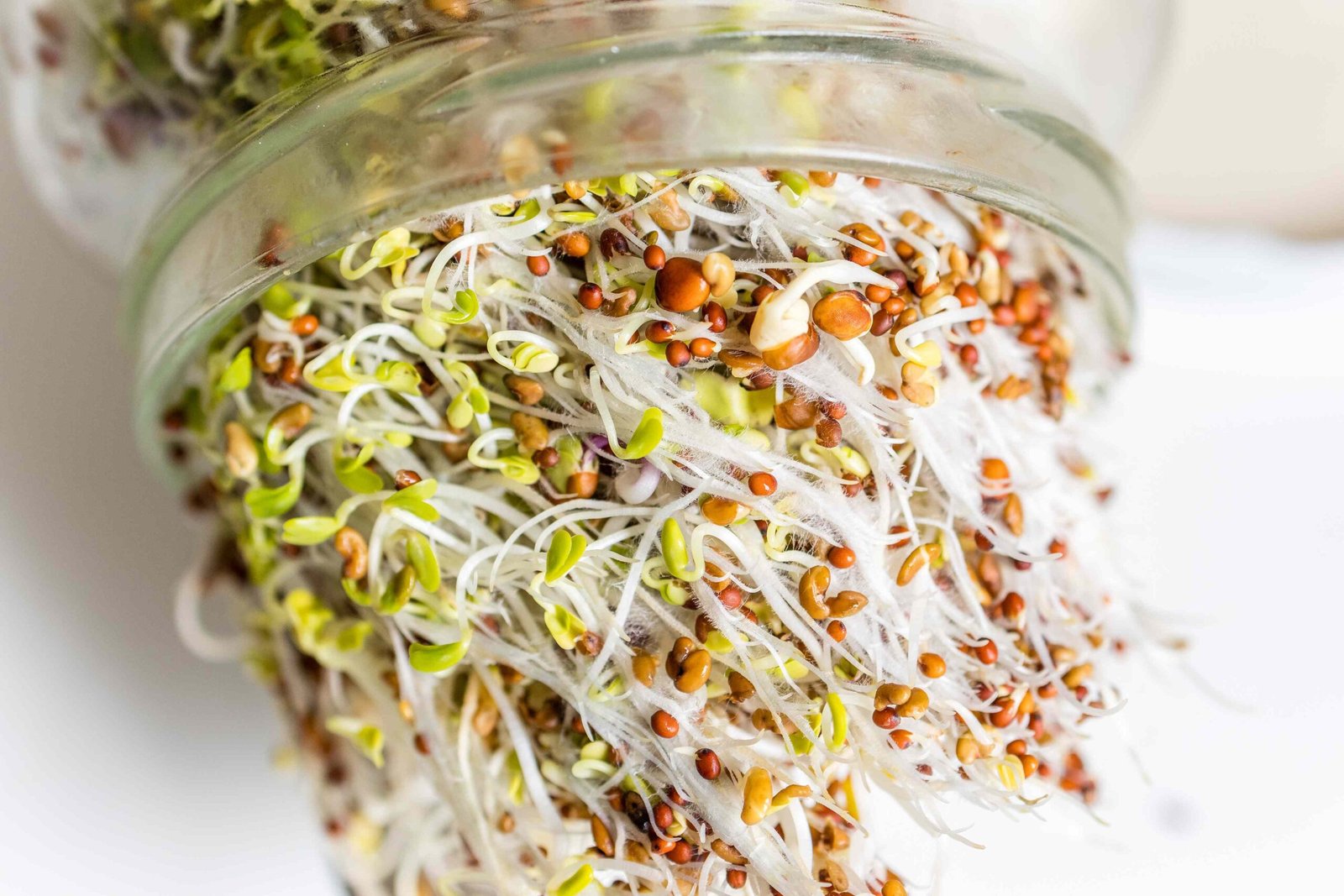
Risk: Sprouts are grown in warm, moist conditions that create the perfect growing environment for harmful bacteria like Salmonella, E. coli, and Listeria. Additionally, unlike many vegetables, sprouts are often eaten raw or only lightly cooked, which means these pathogens survive on their surface. This makes sprouts one of the riskiest foods for contamination. The freezing process does not kill these pathogens, meaning frozen sprouted foods, like beans, are also a concern.
Recent Incident: “In 2025, sprouted moong and moth beans sold frozen under certain brands were recalled after a Salmonella outbreak,” said Galbadage.
How to Stay Safe: “Vulnerable groups should avoid raw sprouts,” warned Galbadage. To prevent potential foodborne illnesses, it’s best to cook sprouts thoroughly before eating them and to wash your hands and sanitize kitchen surfaces after handling to prevent cross contamination.
Risk: Raw, unpasteurized dairy products like raw milk and raw cheeses can be contaminated with harmful bacteria such as Salmonella, Campylobacter, E. coli, and Listeria. “These foods may also carry viruses such as avian influenza (H5N1),” said Galbadage.
Recent Incident: A Salmonella outbreak in 2023–2024 that sickened more than 170 people, the majority of them under the age of 18, was linked to raw, unpasteurized milk from a dairy farm in California. In 2025, the CDC reiterated warnings about raw milk amid avian influenza concerns.
How to Stay Safe: If you consume dairy, it’s recommended to avoid raw dairy products, like raw milk and raw cheese. It’s best to purchase pasteurized products, which significantly reduces the risk of contamination with potentially harmful pathogens.
Risk: “Shiga toxin-producing E. coli (STEC) and Salmonella frequently contaminate leafy greens in the field or during processing,” explained Galbadage. Infection with STEC can sometimes develop into hemolytic uremic syndrome (HUS), a severe condition that may cause kidney failure, long-term health complications, and in some cases, death.
Recent Incident: “Ongoing outbreaks in 2024–2025 linked to romaine and salad mixes have driven the FDA’s Leafy Greens Shiga toxin-producing E. coli (STEC) Action Plan,” said Galbadage. The Leafy Greens STEC Action Plan, which includes prioritized inspections, focused sampling, and advancements in the science of detection and prevention of foodborne illness, aims to reduce E. coli outbreaks tied to leafy greens.
How to Stay Safe: To reduce the risk of foodborne illness, it’s important to wash leafy greens under running water before eating them. It’s also critical to refrigerate leafy greens at or below 41 degrees Fahrenheit to prevent pathogen growth and to throw away leafy greens that show rot or look damaged.
Galbadage explained that there are multiple factors driving the increase in foodborne illnesses, including:
- Climate change: Rising ocean temperatures from climate change are contributing to more Vibrio outbreaks in oysters, while increased flooding is spreading harmful pathogens into crop fields, raising the risk of foodborne illness.
- Inspection gaps and staff shortages: “Limited budgets means fewer inspections at farms and plants and fewer trained staff in processing plants and farms can lead to lapses in sanitation,” said Galbadage.
- Globalized supply chains: Galbadage explained that imported foods like berries and cucumbers make oversight more challenging and can delay food recalls.
- Cold chain weaknesses: Interruptions in transport or storage can create conditions that allow bacteria to multiply.
- Consumer handling: Improper refrigeration and food handling, undercooking risky foods, and ignoring food recalls increase your personal risk of contracting foodborne illnesses.
While foodborne illness is a real concern, it’s important to know that you can significantly reduce your risk by following simple food safety protocols.
“The good news is that most foodborne illnesses are preventable,” said Galbadage. “By cooking foods thoroughly, keeping produce and meats refrigerated, avoiding raw dairy and shellfish, and paying attention to recalls, we can reduce the risk of these infections.”
Right now, foods like raw shellfish, cucumbers, leafy greens, and unpasteurized milk are among the most common culprits in food safety recalls and foodborne illness outbreaks.
To lower your risk of foodborne illness, follow key safety steps, like cooking foods to their recommended temperatures, washing your hands and sanitizing surfaces, and avoiding high-risk items such as raw milk and sprouts.
Staying informed about the latest food safety recalls is also crucial for protecting yourself and your family.
