

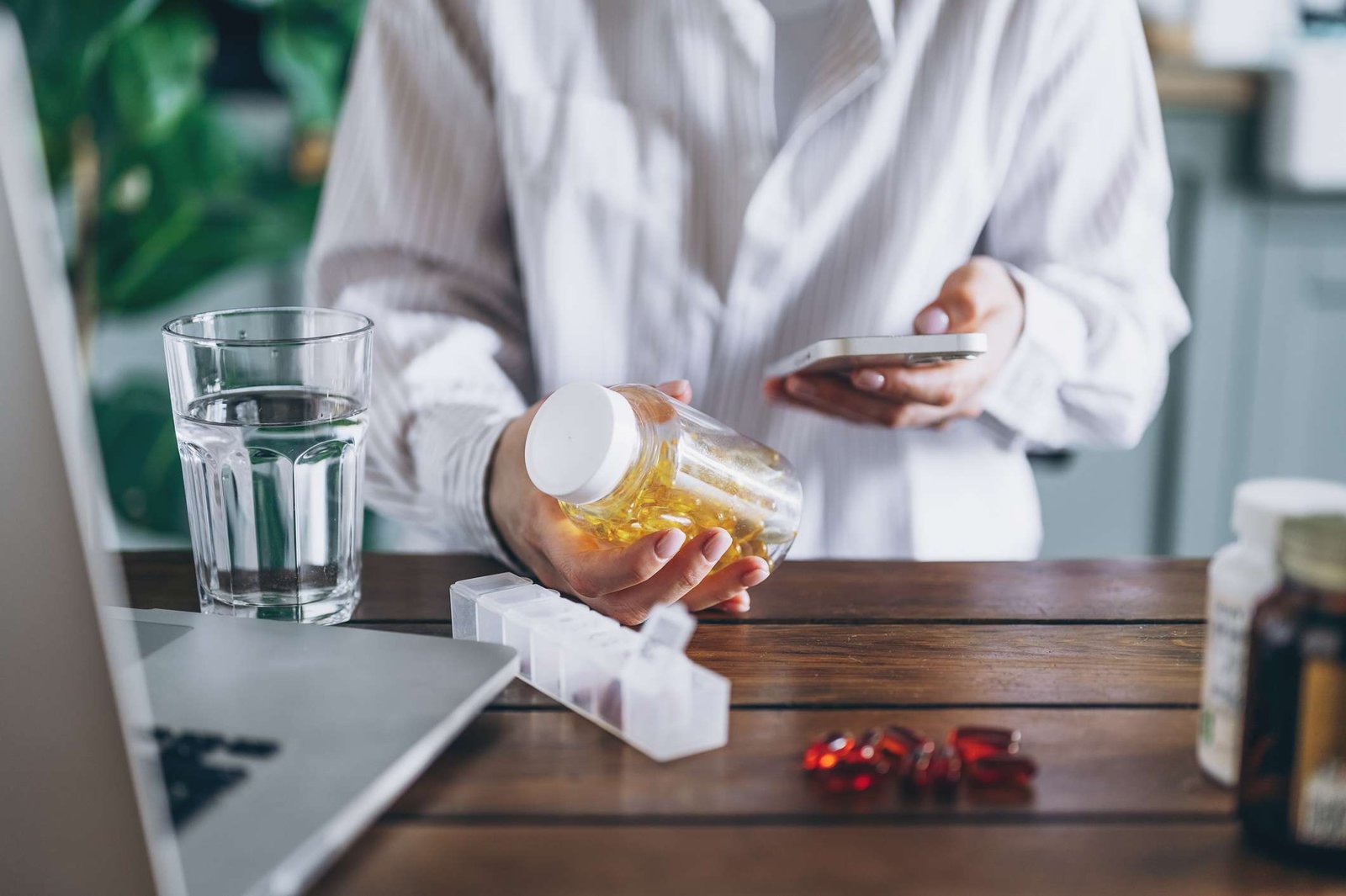
High blood pressure (hypertension) is a common condition affecting more than one billion people worldwide. Treating high blood pressure is necessary to lower your risk for heart disease and stroke. However, certain supplements can interact with medications used to lower your blood pressure, leading to health risks.
Ginseng (Panax ginseng; Panax quinquefolius L.) is an herb with anti-inflammatory and antioxidant effects. There are several types of ginseng, and the herb is used in traditional medicine to manage several health conditions.
Ginseng can help lower blood pressure by opening the blood vessels (vasodilation). Tight blood vessels (vasoconstriction) make it harder for blood to move through your body, which raises your blood pressure.
Studies are conflicting on whether ginseng can interact with blood pressure medication. A small 2018 study in young males with normal blood pressure found that the herb does not affect the blood pressure medication Cozaar (losartan). Other studies have found that ginseng may interact with the diuretic Lasix (furosemide). More research is needed in humans to understand the severity of this interaction.
Talk with your doctor to determine if ginseng is safe to take with your medications.
Licorice root (Glycyrrhiza glabra) is an herb commonly used as a flavoring in candy, food, and tobacco products. Historically, the root has been used to treat lung disease, liver disease, and heal wounds.
Licorice contains an ingredient called glycyrrhizic acid (GA), which can raise blood pressure and cause serious side effects in people with high blood pressure. GA doses as low as 100 milligrams daily have been shown to raise blood pressure.
Supplements with GA may also interact with diuretics and blood pressure medications. The supplement can lower the effectiveness of blood pressure medication and raise your risk of side effects. Specifically, licorice root can raise sodium levels and lower potassium levels in your body. This effect, combined with a diuretic, can lead to dangerously low levels of potassium.
If you have high blood pressure, it’s best to avoid using products with licorice root.
St. John’s wort (Hypericum perforatum) is a plant used to treat symptoms of depression and menopause. Despite its historical use as a traditional medicine, the plant has been shown to dangerously interact with a variety of medications. St. John’s wort weakens the effects of many medications, including some used to treat blood pressure.
Examples of blood pressure medications that interact with St. John’s wort include:
- Procardia (nifedipine)
- Talinolol
- Verelan (verapamil)
These interactions likely occur because St. John’s wort blocks the medication from being absorbed in the body as it normally would.
Talk with your doctor before taking St. John’s wort. They can tell you if the supplement may interact with any other medications or supplements you are taking.
Green tea (Camellia sinensis) is a popular beverage often promoted for weight loss and heart health. As an anti-inflammatory and antioxidant, green tea may also lower blood pressure if used regularly.
However, green tea can affect how well certain blood pressure medications work:
- Cogard (nadolol): A 2020 study found that drinking one cup of green tea can affect how well your body absorbs nadolol, a common blood pressure medication.
- Zestril (lisinopril): Drinking green tea or using green tea supplements can affect how well your body breaks down the blood pressure medication lisinopril.
If you are taking lisinopril or nadolol, you should limit your use of green tea and green tea supplements.
Certain supplements can help lower your blood pressure. This may be beneficial for some people. However, when paired with medications that also lower blood pressure, these supplements could cause your blood pressure to become too low (hypotension). Talk to your doctor about whether these supplements are safe and appropriate for you.
Supplements that have blood-pressure-lowering effects include:
- Vitamin D: Vitamin D may be useful in treating high blood pressure. Studies have used doses ranging from 200 to 8,000 International Units (IU) per day. However, other research has found no improvement in blood pressure with the vitamin.
- Coenzyme Q10: Many studies have found that coenzyme Q10 doses as low as 200 milligrams a day can lower blood pressure, especially if taken with blood pressure medication.
- Vitamin E: Vitamin E is an antioxidant that may affect blood pressure. Dosing in studies ranges from 50 to 320 milligrams per day. However, other studies find that the benefit is very small.
- Garlic: Garlic has also been shown to lower blood pressure. It works by opening the blood vessels and lowering oxidative stress throughout the body.
- Cinnamon: Cinnamon in your diet or in supplement form can lower blood pressure and improve heart health.
- Melatonin: Melatonin has been shown to lower blood pressure. It also helps promote a regular sleep-wake cycle, which helps support overall heart health.
High blood pressure may not cause any noticeable symptoms at first. So, it’s important to monitor your blood pressure regularly.
Very high blood pressure is considered anything above 180/120 millimeters of mercury (mm Hg). If your blood pressure is very high, you may experience symptoms like dizziness, sudden and severe headache, difficulty breathing, and changes in vision. If you have any of these symptoms, seek medical care immediately. Very high blood pressure can damage your organs if not treated.
Before starting any supplements, talk with your healthcare provider. They can help you decide if a supplement would be useful and safe for you to take.
Managing your blood pressure is necessary to lower your risk for heart disease and stroke. Certain supplements can interact with medications used to lower your blood pressure. Examples include ginseng, licorice root, St. John’s wort, and green tea. Other supplements, such as coenzyme Q10, cinnamon, and vitamin E, can help lower your blood pressure.
Before taking any supplement, talk with your doctor. They can help you decide if the supplement is safe for you and if it can help treat high blood pressure.
