

A nutritious, balanced diet rich in fruits can help lower blood pressure and support healthy blood flow. People with hypertension, or high blood pressure, may benefit from adding berries, bananas, watermelon, grapes, kiwis, and other fruits to their meals. These fruits have fiber, vitamins, minerals, and beneficial plant compounds that may help lower blood pressure.
Bananas are high in potassium, a mineral that can help manage blood pressure.
Hazal Ak / Getty Images
Bananas have potassium, a mineral that helps control blood pressure. Not getting enough potassium can contribute to high blood pressure over time.
The daily recommended amount for adults is 3,400 milligrams for males and 2,600 milligrams for females. Most people can get enough potassium by eating a nutrient-rich diet. One banana, about 115 grams, provides 375 milligrams of potassium.
A 2019 study found that eating 40 grams of cooked green banana daily reduced systolic blood pressure (the top number) after six months in people with pre-diabetes and diabetes. Systolic blood pressure shows how hard your heart pushes blood against your artery walls when it beats.
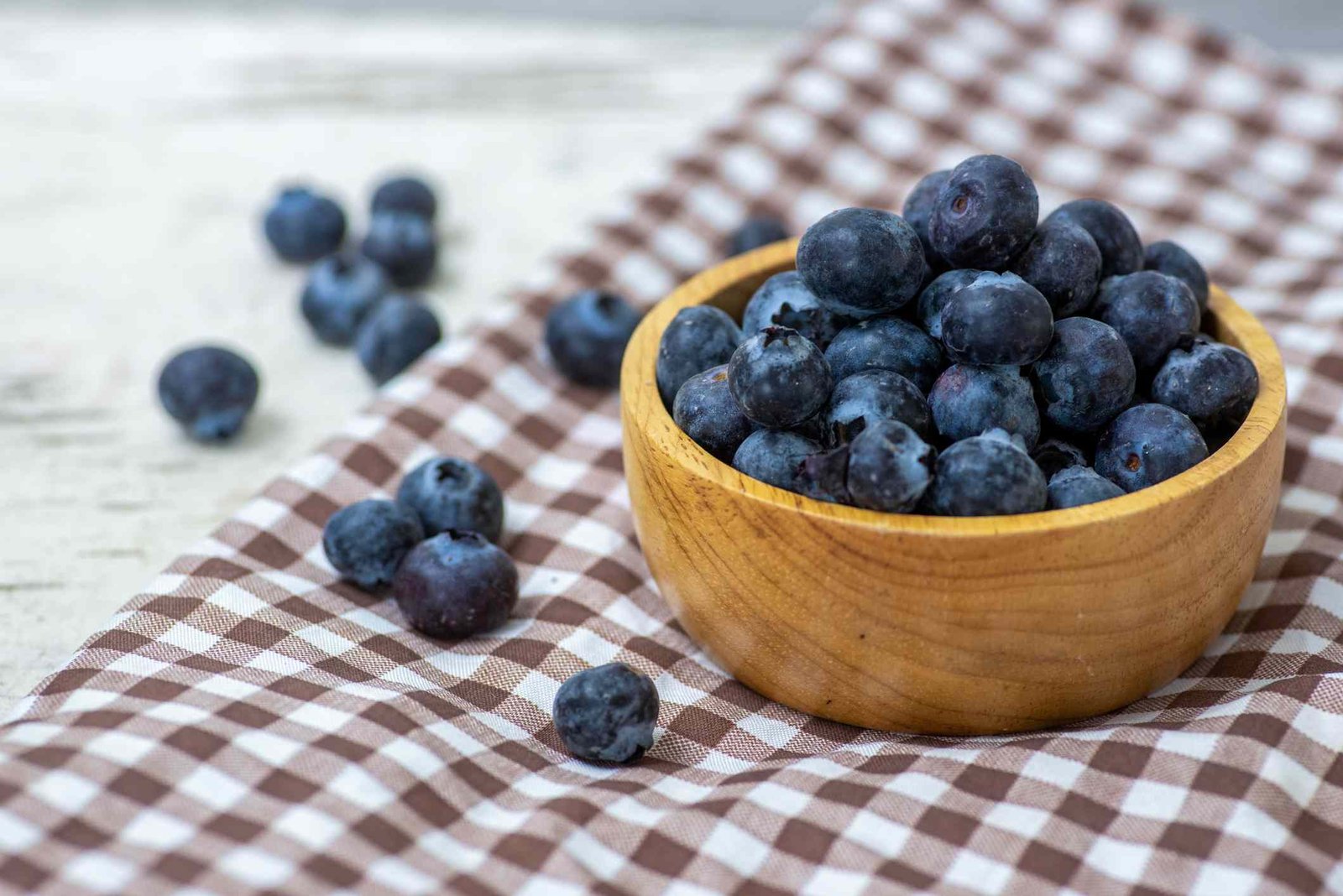
Blueberries have antioxidants that help the body produce nitric oxide to improve blood flow.
boonchai wedmakawand / Getty Images
Blueberries have a lot of antioxidants, particularly anthocyanins. These help protect your cells from damage.
Anthocyanins may also help your blood vessels make more nitric oxide. Nitric oxide helps blood vessels relax instead of tighten, which improves blood flow.
A 2015 study found that daily blueberry consumption lowered blood pressure and increased nitric oxide levels in women after menopause with pre- and stage-1 hypertension. Postmenopausal women are at a higher risk for high blood pressure and heart disease due to the change in hormones.
Other anthocyanin-rich fruits include chokeberries, blackberries, blackcurrants, bilberries, raspberries, cherries, and strawberries.
Kiwis are high in vitamin C, which can benefit blood pressure levels.
Yura Shtepa / Getty Images
Kiwis are a good source of vitamin C. A 2020 research review suggests that vitamin C might help lower blood pressure in people with high blood pressure.
One SunGold kiwi (the kind with yellow flesh) has about 120 milligrams of vitamin C per fruit (about 75 grams each). This is about 133% of the daily amount most adults need. Regular green kiwis have about 56 milligrams of vitamin C.
In one study, participants ate either three kiwis or one apple per day for two months. Those who ate kiwis had lower blood pressure compared to the group that ate apples.
Another study found that eating one SunGold kiwifruit every day for three months raised vitamin C levels and lowered blood pressure in people with prediabetes.
Watermelon provides amino acids that help the body produce nitric oxide, which widens blood vessels.
K1tyara / Getty Images
Watermelon contains an amino acid called L-citrulline. Your body turns L-citrulline into L-arginine, another amino acid. L-arginine helps your body make nitric oxide, which relaxes blood vessels and supports blood flow.
Some research shows that watermelon supplements can help lower blood pressure.
However, in a small 2021 study, women who drank about 720 milliliters of watermelon juice daily for four weeks didn’t see any changes. Further research is needed to determine the effect of watermelon on blood pressure.
Grapefruit is a good source of potassium and vitamin C, both of which benefit blood pressure.
joannatkaczuk / Getty Images
One cup of grapefruit provides 290-330 milligrams of potassium and 76-85 milligrams of vitamin C.
One cup of grapefruit juice has about 400 milligrams of potassium and 94 milligrams of vitamin C, which is 104% of the daily vitamin C most people need.
A 2021 study found that grapefruit juice alone didn’t lower blood pressure. However, when combined with beetroot juice, it lowered systolic blood pressure more than beetroot juice alone. Research shows that beetroot juice can help lower blood pressure by supporting the body’s production of nitric oxide. This study suggests that adding grapefruit juice may enhance that effect.
Grapefruit can interact with hypertension medications such as Procardia and Adalat CC, which both contain the drug nifedipine. It can also affect statins like Zocor (simvastatin) and Lipitor (atorvastatin), which are used to lower blood cholesterol. Talk to your doctor before mixing grapefruit and any medications you take.
Grapes are high in beneficial plant compounds that can help support blood pressure.
Santiago Urquijo / Getty Images
Grapes have beneficial plant compounds called polyphenols, such as anthocyanins (found in red, purple, and blue grapes) and quercetin.
A research review showed that getting less than 733 milligrams of polyphenols from grapes helped lower blood pressure.
In an older study, people with normal blood pressure drank 7 milliliters of concord grape juice per kilogram of their body weight for eight weeks. Their blood pressure during the day didn’t change. However, their nighttime blood pressure decreased, which may indicate better blood pressure control.
A serving of grapes is 1 cup, or about 20 grapes. In this study, someone who weighed 70 kilograms drank about 490 milliliters of grape juice each day. This equates to about two servings of fruit. That amount contained 965 milligrams of polyphenols.
Avocados are a good source of potassium and vitamin E, both of which benefit blood pressure.
yodaswaj / Getty Images
Avocado is a fruit that’s rich in potassium and vitamin E. One avocado (about 200 grams) has 975 milligrams of potassium. It also has 4.2 milligrams of the antioxidant vitamin E, which is 28% of the daily need for most people.
Researchers looked at the avocado-eating habits of more than 67,000 people assigned female at birth and followed them for an average of 2.2 years. Participants who ate about five or more servings of avocado per week were 17% less likely to develop high blood pressure.
Half of an avocado counts as one serving.
Pomegranates have antioxidant and anti-inflammatory properties that help support healthy blood flow.
NatalieShuttleworth / Getty Images
Pomegranates contain many compounds that prevent cell damage, reduce inflammation, and protect against microbes.
Research suggests pomegranates may help lower blood pressure in a few ways. They might help the cells in your blood vessels work better, which supports healthy blood flow. Pomegranates may also protect these cells from damage and help prevent plaque from building up and narrowing the blood vessels.
Most studies have focused on pomegranate supplements instead of eating the fruit or drinking the juice. A 2025 research review showed that taking pomegranate supplements lowered blood pressure and improved other heart health markers, such as blood lipid cholesterol.
Another 2017 review looked at eight clinical studies on pomegranate juice and heart health. The results showed that drinking pomegranate juice lowered blood pressure. The biggest drop in systolic blood pressure happened when people drank less than 240 milliliters of juice.
Diet changes can help support healthy blood pressure. If you have hypertension, it’s important to talk to your doctor. Some supplements may interact with your medication.
Here are some tips on how to incorporate more fruit into your diet:
- Add fruit to foods you already eat: You can mix fruit into yogurt, sprinkle it on breakfast cereal, blend it into smoothies, or add dried fruits to rice dishes, stews, or soups to add sweetness.
- Try frozen or canned fruits: Frozen and canned fruits are easier to store and less likely to go bad if unopened. They’re just as nutritious as fresh fruits, as long as they don’t contain added sugar.
- Mix fruit with nuts: Nuts and dried fruits make a great snack on the go. Add some dark chocolate chips for a more complete trail mix.
- Sip on 100% fruit juice: Drinks labeled as fruit nectar, fruit punch, or fruit drinks often have added sugars. You can read nutrition fact labels to see a drink’s sugar content.
- Opt for fresh fruits or recipes with fruits when you want something sweet: For instance, make a parfait with fresh fruits, yogurt, and a drizzle of honey or maple syrup.
- Choose whole fruits: Aim to eat mostly whole fruits, as they have more fiber. A glass of fruit juice often contains more sugar and less fiber, which can cause blood sugar levels to rise quickly.
- Use fruit in recipes in place of sugar: You can use smashed bananas or applesauce as a sugar alternative in some recipes.
How Much Fruit Should You Eat?
According to the Dietary Guidelines for Americans, adults eating a 2000-calorie diet should aim to get a minimum amount of fruit per day:
- Females: 1½ to 2 cups
- Males: 2 to 2½ cups
While these numbers provide a general guideline, there is no one-size-fits-all amount. How much fruit you should eat may depend on your age, sex, nutritional needs, and activity level.
What Counts as One Serving of Fruit?
There is a simple measurement to know how much of a fruit counts as a serving. Follow the below guidelines:
- Fresh, frozen, or canned fruit: One cup of fresh, frozen, or canned fruit (without added sugar) is one serving. This generally refers to cut fruits. For example, 1 cup of cut, diced, or sliced apple, banana, or kiwifruit counts as one serving. This is also true for small fruits like blueberries, grapes, and kumquats.
- Dried fruit: One-half cup of dried fruit is one serving. This applies to raisins, prunes, apricots, figs, dates, and so on.
- Fruit juice: One cup of 100% fruit juice is one serving of fruit. However, juice often contains multiple fruits. The American Heart Association recommends limiting juice servings to ½ to 1 cup.
Fruits contain various compounds, vitamins, and minerals that help support healthy blood pressure. As research suggests, berries, watermelon, kiwis, grapefruit, grapes, bananas, and pomegranates may lower blood pressure. You can add more fruits to your diet by using them in breakfast cereals, adding them to yogurt and smoothies, or mixing with nuts as snacks.
