

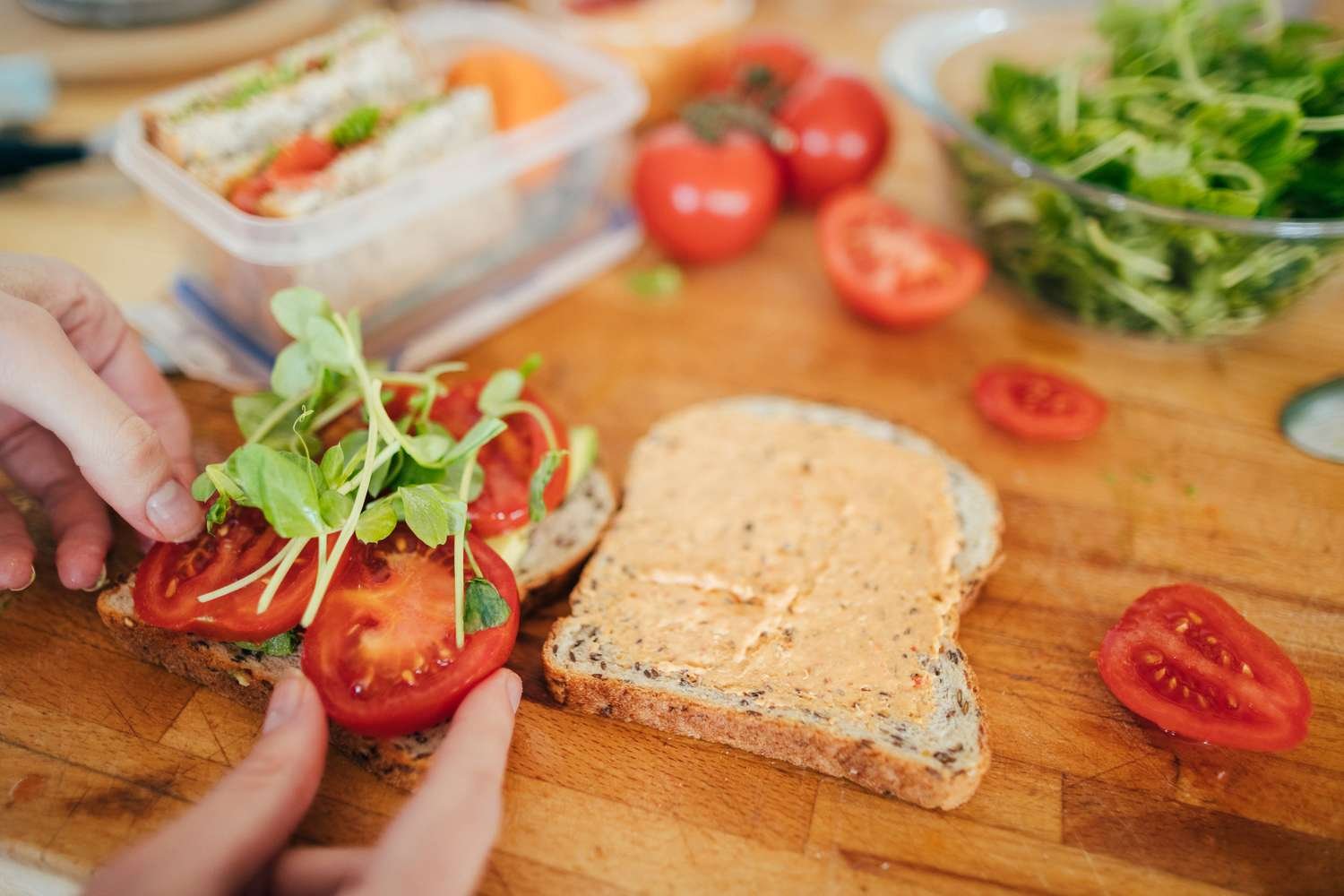
- Many condiments pack hidden sodium—opt for lower-salt swaps.
- Dietitian-approved options, such as tzatziki, hummus, and pesto, add flavor without the need for too much salt.
- Make condiments at home or check labels to better control the amount of sodium.
Before you blame the salt shaker for eating too much sodium, take a closer look at your condiments. A single tablespoon of soy sauce can contain up to 1,000 mg—nearly half the daily recommended limit of 2,300 mg. Here’s the reality: most people are eating too much sodium, meaning it’s important to find ways to cut back, like choosing lower-sodium condiments.
The good news? There are plenty of low-sodium condiments that taste good and can even be good for you. This article highlights the top low-sodium alternatives that bring flavor to every meal without the salt.
1. Tzatziki
Starting off with a classic, tzatziki is a favorite for Paula Lescure, M.S., RD, CD, a registered dietitian. She highlights its fresh flavor and versatility—pairing well with grain bowls, sandwiches or meat. Plus, it delivers a small serving of cucumber and protein-rich strained (Greek-style) yogurt.
What makes tzatziki especially appealing is that it’s naturally low in sodium, making it a heart-healthy, flavorful choice—especially when made at home.
2. Guacamole
Lescure also recommends guacamole as a low-sodium, nutrient-packed option that works as a dip or a condiment on sandwiches and salads.
Guacamole tends to be low in sodium—about 50 mg per tablespoon—while also providing a modest source of potassium, an important nutrient for supporting healthy blood pressure. As a proponent of the DASH (Dietary Approaches to Stop Hypertension) diet, Lescure recommends prioritizing potassium-rich foods, including avocados.
Finally, guacamole also contains healthy fats, which further support heart health and healthy blood pressure.
3. Pesto
Pesto is a fresh, herby condiment that serves beautifully with pasta dishes, sandwiches and your favorite proteins. Made with basil, pine nuts and oil, it delivers healthy fats and vitamins A, E and K, while keeping sodium to a minimum. Homemade pesto is especially a great way to control sodium content.
Better yet, Lescure says that even her kids love it. “That one’s very well tolerated across the ages for the most part. If I need a kid to eat vegetables, if we cook it in pesto, they definitely will try it,” she says.
4. Hummus
Hummus is a beloved staple in many cuisines, prized for both its flavor and nutrition. Made from chickpeas, olive oil and tahini, it provides plant-based fiber, protein and nutrients like potassium and iron. Many store-bought varieties are low in sodium, but making it at home gives you full control.
5. Salsa
When it comes to versatile ingredients, salsa is a top contender. Chopped or blended, sweet or spicy, a fresh salsa can easily become the star of any dish.
Store-bought varieties usually contain around 105 mg of sodium per tablespoon, but making it at home can lower the sodium content even more. Serve it with tortilla chips, as a topping for tacos and quesadillas or over an egg omelette for a fresh, flavorful punch.
6. Low-Sodium Mustard
Mustard is a classic condiment for sandwiches or with meat dishes. Store-bought varieties are relatively low in sodium, providing around 165 mg per tablespoon. But, to cut sodium even further, choose low- or zero-sodium options—adding flavor without the extra salt.
7. Balsamic Vinegar
If you love adding soy sauce to dressings or glazes, try swapping it for balsamic vinegar instead—it’s surprisingly low in sodium. In fact, one tablespoon has under 4 mg of sodium, which is significantly less than the 879 mg you’ll find in a tablespoon of soy sauce.
Enhance your meals by drizzling balsamic vinegar over tomatoes and mozzarella, roasted sweet potatoes and carrots or grilled chicken for a tangy punch.
8. Chimichurri
Chimichurri is a bright, flavorful sauce and condiment that delivers bold flavor without relying on salt. Made with parsley or cilantro, garlic, vinegar and olive oil, it’s naturally low in sodium and provides nutritional benefits, such as antioxidants and vitamins C and K.
This versatile ingredient pairs well with grilled meats and fish, roasted vegetables, grain bowls or even as a topping on pizza or eggs.
Tips for Shopping and Using Condiments
- Consider Your Options. When choosing a condiment, consider what matters most for your meal, says Heather Fiore, M.S.Ed, RD, LD, CDCES. She recommends asking yourself: “Would it make more sense to eat less ketchup or switch to a low-sodium [version] or to use a totally different option that is going to be naturally lower in sodium?”
- Make It Yourself. Take control of your sodium intake by preparing your own condiments whenever possible.
- Read Labels. At the grocery store, it’s helpful to look for foods that are labeled “low-sodium,” but many condiments that are naturally low in salt may not choose to advertise it. Aim for products that have 140 mg of sodium or less per serving.
- Be in Control. When dining at restaurants, Lescure advises asking for dressings and sauces on the side so you can control the amount you add to your meal.
- Eat Potassium-Rich Foods. Look for dishes with potassium-rich foods, such as sweet potatoes, beets, tomatoes, beans, lentils or dairy. This can help offset some of the effects of eating too much salt.
Our Expert Take
Cutting back on salt doesn’t have to mean your food has to be bland. Many dietitian-approved condiments add big flavor without relying on sodium. From tzatziki and hummus to balsamic vinegar and pesto, there’s a tasty option for every meal. To control sodium even more, make your condiments at home whenever possible—or check labels on pre-made versions to keep an eye on sodium levels. With the right condiments, you’ll barely notice the salt is missing.
