

Key Takeaways
- While some research has found potential therapeutic effects with MDMA, this research is still in the early stages.
- MDMA can cause lasting side effects like anxiety, depression, and memory problems.
- Overdose from MDMA is rare but can be severe and require immediate medical attention.
MDMA, also known as ecstasy or “molly,” is a synthetic drug known primarily for its hallucinogenic and stimulant effects. MDMA is short for its chemical name 3,4-methylenedioxymethamphetamine. It is a derivative of amphetamine and has a similar structure to methamphetamine (“meth”).
While MDMA or ecstasy was initially used primarily in nightclubs and raves, its use has now spread to a wider range of populations. According to a 2021 survey by the National Institute on Drug Abuse, 0.8% of the U.S. population over the age of 12 reported using this drug in the previous 12 months.
If you or someone you love uses MDMA, it’s important to understand its potential impacts and side effects. We also share signs of usage, how to identify the drug, and what research says about its potential as a therapeutic.
This article is purely informational and not intended to be a substitute for professional medical advice, diagnosis, or treatment. Please consult your healthcare provider if you think that using ecstasy or “molly” is right for you.
Signs of MDMA (Ecstasy) Use
According to the National Institute on Drug Abuse, MDMA causes a range of effects including:
- Anxiety
- Attention problems
- Confusion
- Decreased libido
- Depression
- Impulsiveness
- Insomnia
- Irritability
- Memory problems
- Reduced appetite
The effects of MDMA typically last for three to six hours. However, in some cases, you may continue to feel the side effects of ecstasy or “molly” the day after you take it. The symptoms may even persist for up to a week or more, especially if MDMA is mixed with other drugs such as marijuana.
If you experience lasting effects after taking ecstasy, seek help from a medical professional as soon as possible.
How to Recognize MDMA
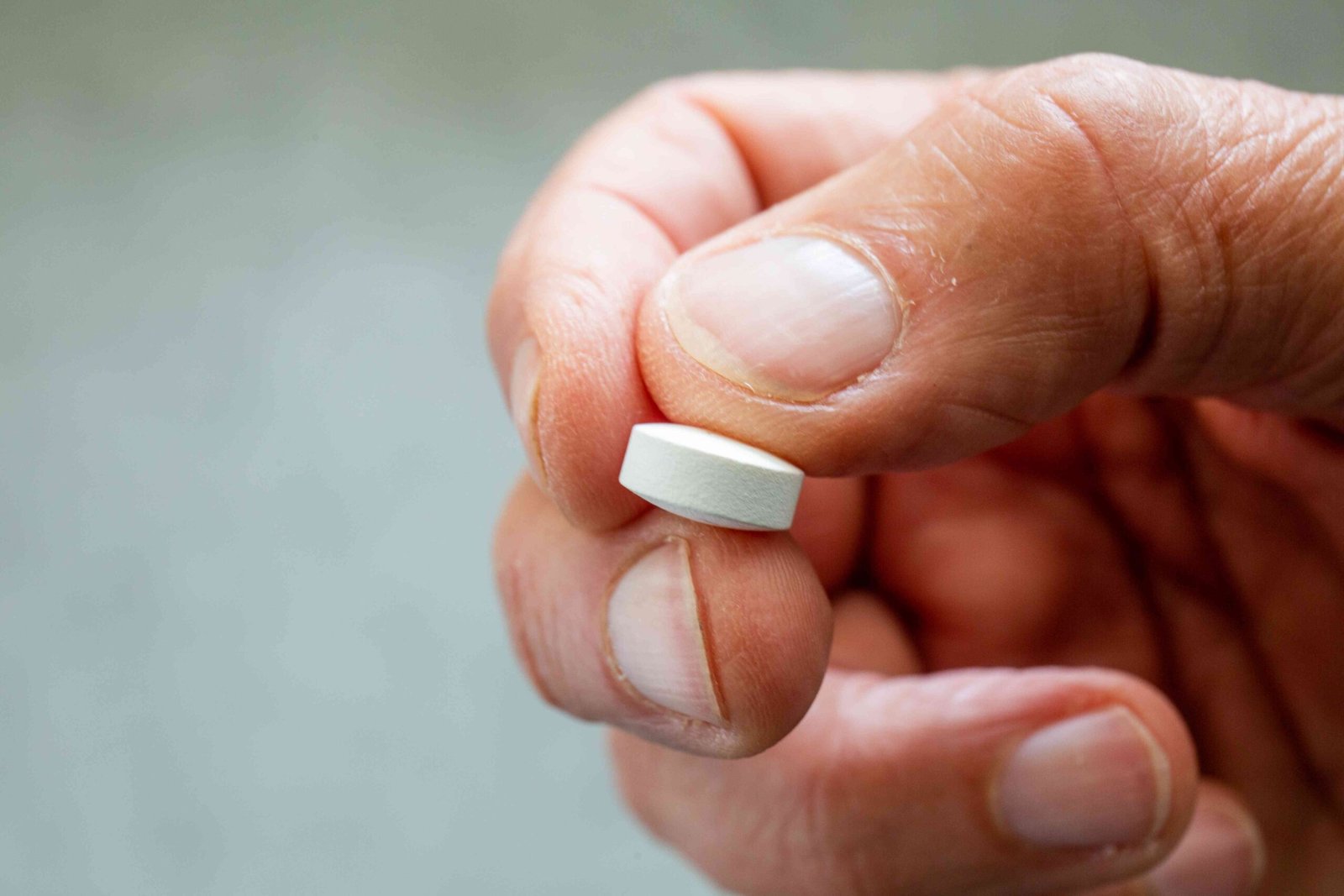
MDMA or ecstasy is usually found in tablet or capsule form, but it can also be swallowed as a liquid or snorted as a powder.
- Tablets: MDMA typically comes in a tablet form and is often imprinted with graphic designs or commercial logos.
- Powder: The popular nickname molly (which is slang for “molecular”) is often used for the supposedly “pure” crystalline powder form of MDMA. However, molly is often combined with other substances, like synthetic cathinone (bath salts), according to the National Institute on Drug Abuse.
Unlike other recreational drugs such as cocaine and nicotine, which are derived from plants, MDMA or ecstasy is synthesized by altering the structure of the amphetamine molecule. Because of the way it’s made, its purity can vary substantially, and other compounds can be easily combined into the same tablet.
Ecstasy additives and contaminants often include methamphetamine, caffeine, ephedrine, and ketamine.
Potential Therapeutic Uses for MDMA
MDMA was explored as a therapeutic drug in the 1970s as some psychotherapists believed it opened people up and enhanced their potential for empathy and understanding of one another. This use was interrupted by ecstasy being classified as a Schedule I drug in 1985.
This classification means that the substance has a high potential for abuse and is not approved by law to treat medical conditions. However, there has been renewed interest in the medical use of MDMA alongside psychotherapy to treat conditions such as anxiety disorders—specifically social anxiety disorder (SAD) and post-traumatic stress disorder (PTSD).
For example, a 2021 study found that the use of medical MDMA in autistic adults with social anxiety disorder helped reduce social anxiety symptoms such as perceived social threat, self-criticism, and shame.
Ongoing clinical trials also suggest that ecstasy may help treat chronic post-traumatic stress disorder (PTSD). Results of a Phase 3 trial found that 88% of participants who received MDMA-assisted therapy experienced a meaningful reduction in PTSD symptoms, with 67% no longer qualifying for a PTSD diagnosis after treatment.
It is important to note that this research is still in the early stages. More research is needed to fully understand the effectiveness of medical MDMA. The medical use of MDMA is highly regulated and only administered by healthcare professionals in regulated settings.
In 2017, the Food and Drug Administration granted MDMA breakthrough therapy status due to the preliminary evidence of its efficacy in the treatment of PTSD. This status helps expedite the development and review of substances for the treatment of serious conditions.
This does not mean that ecstasy is available as a treatment. However, it may increase the speed at which the drug gains approval and becomes available to treat certain conditions.
Impact of MDMA
MDMA works by influencing the activity of three chemicals in the brain: dopamine, norepinephrine, and serotonin. These chemicals play a role in several different functions in the body, impacting a person’s energy levels, mood, emotions, and sleep.
The immediate impact of ecstasy begins within about 45 minutes of taking a dose. People typically experience an increased sense of well-being and emotional warmth. Other effects include feeling greater empathy toward others and enhanced sensory perception.
As a stimulant, MDMA produces feelings of higher energy. As a hallucinogenic drug, it distorts a person’s sense of time and perception. Ecstasy can also cause body temperature to rise to a potentially fatal level, and its long-term use has been associated with issues related to learning and memory.
Risks of Ecstasy
MDMA is associated with a number of adverse impacts, including:
- Disorganized thoughts
- Feelings of detachment
- Increased anxiety
- Increased heart rate
- Irritability
- Nausea
- Poor appetite
- Sweating and hot flashes
Another significant danger is the fact that people taking ecstasy don’t know what they are actually ingesting. In one study, researchers found that only 60% of samples contained any MDMA at all and many were mixed with so-called “fake cocaine,” a substance typically made with synthetic cathinone. In nearly 25% of the samples, the researchers were unable to identify what was actually in the tablets.
MDMA Addiction, Overdose, and Withdrawal
Although ecstasy affects many neurotransmitters in the brain impacted by other addictive drugs, the National Institute on Drug Abuse notes that research has not determined whether MDMA is addictive. The American Society of Addiction Medicine shares that the definition of addiction is continued use despite harmful consequences.
That said, one study found that ecstasy use is associated with changes in the dopamine and serotonin systems linked to increased impulsivity and substance use disorders. Reports also suggest that people who use ecstasy exhibit symptoms and other markers of addiction including tolerance, drug cravings, and withdrawal.
MDMA Overdose
Overdose is rare but can be life-threatening. Ecstasy overdose symptoms can include faintness, panic attacks or extreme anxiety, high blood pressure, and seizures. When ecstasy use is followed by vigorous physical activity, it can lead to a potentially dangerous rise in body temperature known as hyperthermia.
How to Get Help for MDA Use
While there are no specific treatments for ecstasy addiction, the National Institute on Drug Abuse suggests that cognitive behavioral therapy (CBT) is the most effective option. This type of intervention helps change how people think and behave to support addiction recovery. CBT also teaches people coping skills so they can better manage the stress that contributes to substance use.
There are currently no FDA-approved medications to treat ecstasy addiction. Twelve-step recovery programs and support groups may be helpful, particularly when used in conjunction with cognitive behavioral interventions.
History of Ecstasy
MDMA was initially developed in 1912 as a pharmaceutical compound that could be used in the preparation of other pharmaceuticals, and it was patented in 1914. But once the drug’s hallucinogenic properties were discovered, further development was stopped for several decades.
Ecstasy was one of several drugs tested in a military context decades after. It was then re-synthesized, first by Gordon Alles and then by Alexander Shulgin, who tested it on himself, his wife, and his friends. Shulgin went on to develop a range of new compounds, including MDMA and PMMA (paramethoxymethamphetamine), many of which ended up as versions of street ecstasy.
It was many years after this that MDMA eventually appeared on the streets as a recreational drug. It became popular during the 1960s and 1970s. In the 1980s, MDMA showed up in the nightclub and rave scene and its use grew among college students, “yuppies,” and in the gay community.
Due to concerns about the health risks associated with ecstasy, it was made illegal in the United Kingdom in 1977, way ahead of its popularity in that country.
Molly was made illegal in the United States in 1985 when it was classified by the Drug Enforcement Administration (DEA) as a Schedule I drug according to the Controlled Substances Act.
For a few years, in an attempt to circumvent the law, different versions of ecstasy were synthesized. This production was eventually outlawed but re-emerged as a problem around the year 2000 with the popularity of homemade crystal meth.
