

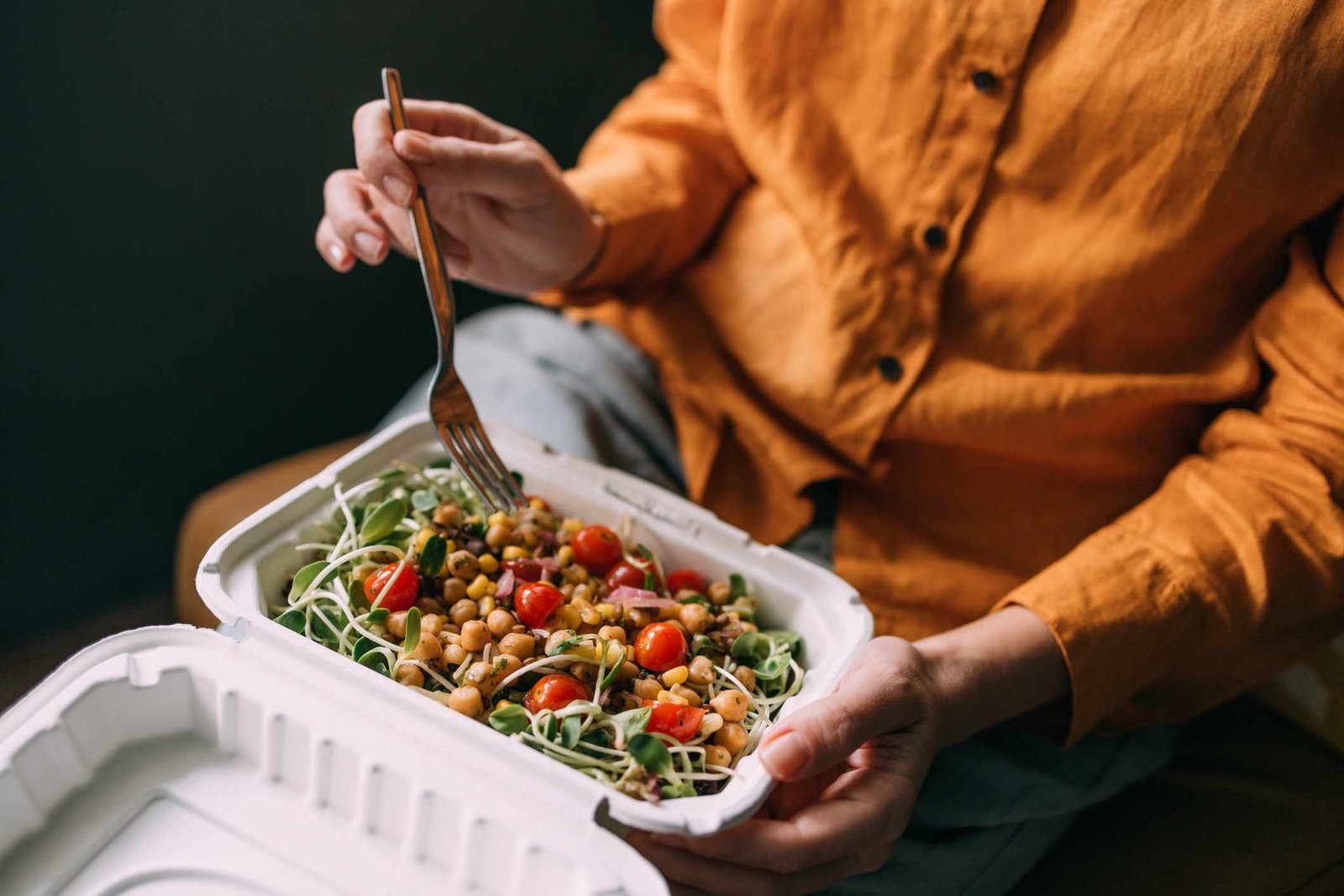
The Slow-Carb Diet is an eating plan that prioritizes protein, legumes, and non-starchy vegetables while restricting most other carbohydrates. It was introduced in The 4-Hour Body, a book written in 2010 by Timothy Ferriss.
According to Ferriss, the diet simplifies eating and can lead to rapid weight loss of up to 20 pounds in one month. However, no research has confirmed the diet’s effectiveness or health risks.
Your body breaks down carbohydrates into sugar (glucose), which gives you energy. Simple carbs, like white bread and pasta, are broken down fast. This causes blood sugar to quickly rise and drop, which may lead to cravings and fatigue. Complex carbs contain more nutrients and fiber. This makes them more filling and provides steady energy.
The Slow-Carb Diet is a high-protein diet that cuts out simple carbs and encourages “slow” carbs that take longer to digest. However, Ferriss defines slow carbs differently than most other eating plans. In his diet, “slow” carbs are limited to beans and lentils, while many other complex carbs, such as whole grains and fruits, are excluded.
The idea is that eating protein, legumes, and vegetables while avoiding simple carbs can increase muscle mass, reduce cravings, and support weight loss. Ferriss claims that people can lose up to 20 pounds in one month without exercise.
The diet is based on the minimum effective dose (MED) principle, which means reaching your goal with the least amount of effort. Ferriss recommends choosing from a small list of foods and repeating the same simple meals to make the plan easier to follow.
While the foods encouraged on the Slow-Carb Diet can be healthy additions to a balanced diet, the plan restricts many nutritious foods. And although some people report weight loss, there is no research to confirm the diet’s effectiveness or health risks.
Diet Guidelines
On the Slow-Carb Diet, you stick to a short list of allowed foods for six days and then have a “cheat day” on the seventh. You can eat as much as you want from the approved foods, and calorie counting is not required.
The diet follows these five principles:
- Avoid “white” carbs (or those that could be white). This includes bread, pasta, rice, grains, and potatoes.
- Eat the same few meals over and over. Ferriss recommends creating two or three go-to meals from the approved foods list and repeating them each day.
- Don’t drink calories. Stick to calorie-free beverages like water, unsweetened tea, or black coffee. Up to two glasses of dry red wine are allowed per day.
- Cut out fruit. According to Ferriss, natural sugars in fruit (fructose) can increase body fat and slow weight loss. However, research does not support this claim. Studies show that eating more fruits and vegetables is linked to weight loss and better overall health.
- Take one day off per week. On your “cheat day,” you can eat and drink whatever you want. Ferriss says this helps boost your metabolism and reduce cravings.
Also, if your weight loss stalls, Ferriss recommends:
- Eating 30 grams of protein within 30 minutes of waking up
- Eating at least 20 grams of protein per meal
- Increasing your intake of water or unsweetened tea
- Following the principle of “if you have to ask, don’t eat it,” meaning that if you’re unsure whether a food is allowed, avoid it
On the Slow-Carb Diet, you’ll be mainly eating legumes, lean proteins, and non-starchy vegetables six days out of the week. The diet also permits healthy fats, herbs, and spices for cooking.
Here are some foods included in the diet:
- Proteins: Chicken (breast or thigh), eggs, grass-fed beef, fish, pork, lamb, unflavored whey protein powder, cottage cheese
- Legumes: Lentils, black beans, pinto beans, red beans, soy beans
- Vegetables: Asparagus, broccoli, cauliflower, peas, spinach, green beans, saurkraut, kimchi
- Fats: Extra virgin olive oil, macadamia nut oil, avocado, ghee, butter, nuts, nut butter
- Spices: Most herbs and spices, including curry powder, garlic, chili powder, and fresh herbs
- Beverages: Water, unsweetened tea, black coffee, herbal tea, dry red wine (up to two glasses per day)
When following the Slow-Carb Diet, you’ll need to restrict your intake of most carbohydrates, including fruit and dairy, for six days out of the week.
Foods and beverages to avoid include:
- Grains and starches: Bread, pasta, rice, potatoes, tortillas, oats, quinoa, fried foods with breading
- Fruit: All fruit except small amounts of tomato and avocado
- Dairy: Milk, cheese, yogurt, cream (except small amounts of cottage cheese or whey protein)
- Sugary foods: Desserts, candy, pastries, and any foods with added sugar
- Sugary beverages: Soda, fruit juice, sports drinks
- Alcohol: Beer, sweet wines, mixed drinks
The Slow-Carb Diet is designed to be easy to follow. Ferriss recommends rotating a few meals throughout the week. Here’s an example of what a day of eating on the Slow-Carb Diet might look like:
- Breakfast: Scrambled eggs with black beans and sautéed spinach cooked in olive oil
- Lunch: Grilled chicken breast with lentils and roasted broccoli, seasoned with garlic and curry powder
- Snack: Hard-boiled eggs with a small serving of sauerkraut or kimchi
- Dinner: Pan-seared salmon with pinto beans and asparagus, drizzled with avocado oil
While the Slow-Carb Diet hasn’t specifically been studied, the diet encourages nutrient-dense foods that may benefit weight loss, heart health, and blood sugar control. Potential benefits include:
- May help with weight loss: The Slow-Carb Diet is high in protein and fiber and limits added sugar. This can promote satiety (fullness) and reduce daily calorie intake. Also, having a planned “cheat day” each week may make the diet easier to maintain. However, for some people, these days can lead to overeating or a negative relationship with food.
- Could support blood sugar management: Prioritizing non-starchy vegetables and healthy carbs like beans and lentils, which are high in protein and fiber, may help keep blood sugar levels more stable.
- May protect heart health: The Slow-Carb Diet encourages whole foods, including vegetables, lean proteins, and beans, which are key components of a heart-healthy eating pattern.
The Slow-Carb Diet is likely safe when followed appropriately. However, cutting out fruits, whole grains, and most dairy products may reduce your intake of vitamin C, calcium, fiber, and other essential nutrients. Over time, this can lead to nutrient deficiencies.
Since the Slow-Carb diet is restrictive, it’s important to ask your doctor if it is right for you, especially if you have an existing medical condition or history of disordered eating.
Drawbacks
Although the Slow-Carb Diet is designed to be simple, it restricts several food groups. This can make social situations challenging and the diet difficult to maintain long-term. A more sustainable approach may be to focus on carbohydrate quality by including more whole grains, fruits, low-fat dairy, beans, and other beneficial carbs in your diet.
The Slow-Carb Diet focuses on beans, protein, and vegetables, while cutting out simple carbs like bread and pasta. While the diet may help with weight loss, it isn’t well studied. Also, it excludes fruits, whole grains, and most dairy, which are key components of a balanced diet.
Because cutting out these food groups may raise the risk of nutrient deficiencies, the diet should be followed under the guidance of a registered dietitian or your primary care provider.
