
Close Menu
Fit and Healthy Weight

    Subscribe to Updates

    Get the latest creative news from FooBar about art, design and business.

    What's Hot

    7 Popular Seafood Spots With the Best Fried Shrimp and Hush Puppies

    March 29, 2026

    7 Chain Restaurants With the Best Blackened Salmon, According to Diners

    March 29, 2026

    5 Standing Exercises That Restore Muscle Tone Faster After 55

    March 29, 2026
    Facebook X (Twitter) Instagram
    Facebook X (Twitter) Instagram
    Fit and Healthy Weight
    Sunday, March 29
    • Home
    • Diet
    • Mindset
    • Recipes
    • Reviews
    • Stories
    • Supplements
    • Tips
    • Workouts
    Fit and Healthy Weight
    Home»Workouts»What Is a Chronotype, and Why Does It Matter for Sleep and Productivity?
    Workouts

    What Is a Chronotype, and Why Does It Matter for Sleep and Productivity?

    By July 30, 2025No Comments4 Mins Read
    Share Facebook Twitter Pinterest LinkedIn Tumblr Reddit Telegram Email
    What Is a Chronotype, and Why Does It Matter for Sleep and Productivity?
    Share
    Facebook Twitter LinkedIn Pinterest Email

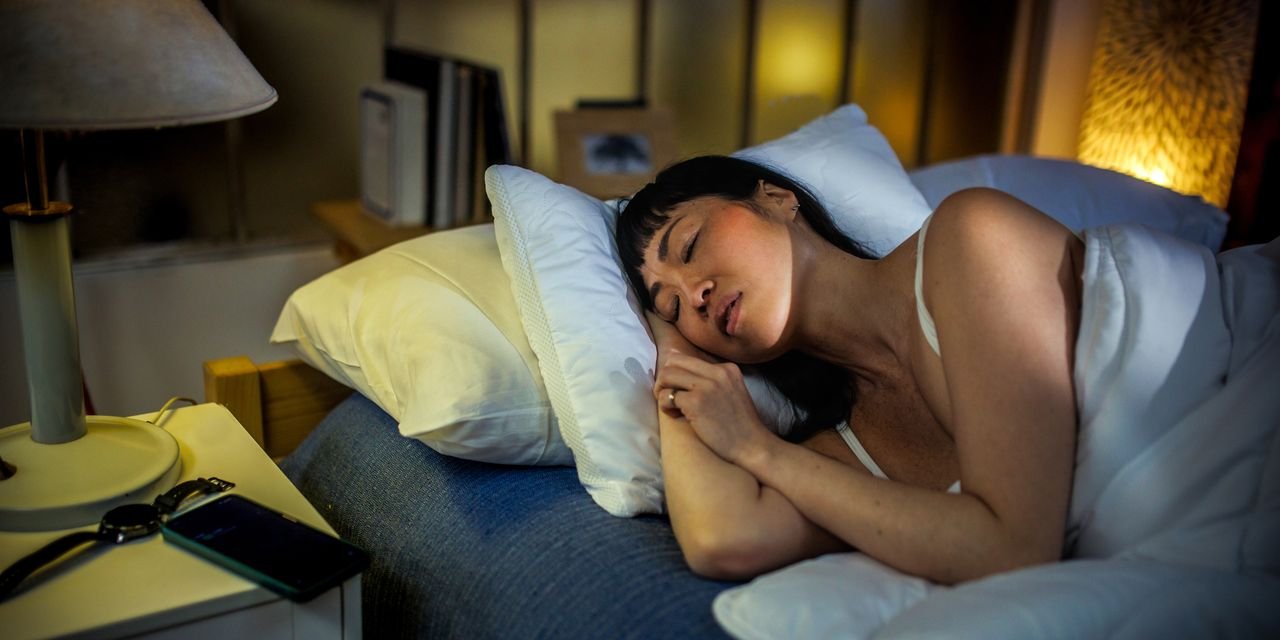
    Most people acknowledge that there are two types of sleepers in the world—early birds and night owls—but research has shown that there are actually four or more sleep-wake cycles. The time you naturally open your eyes in the morning and doze off in the evening is the individual expression of your circadian rhythm, a.k.a. your chronotype, which also drives when you feel most alert or sleepy throughout the day.

    Your chronotype is based on natural daily fluctuations in your body temperature and hormones. Generally, body temp rises as daylight increases. Alertness-boosting cortisol also notches upward in the morning, and then levels off and dips as daylight fades, coinciding with your level of mental awareness. As the sun sets, the sleepiness-promoting hormone melatonin replaces cortisol.

    The exact cadence of this flux varies based on genetics, Jennifer Martin, PhD, spokesperson for the American Academy of Sleep Medicine and professor of medicine at the David Geffen School of Medicine at University of California Los Angeles, tells SELF. The morning larks among us have a faster-ticking body clock, so this whole schedule kicks off earlier, she explains, while the night owls have a slower clock, pushing the pattern later. Most people fall somewhere in the middle.

    If you sync up your everyday schedule with your chronotype, you could find it easier to get quality sleep and also get things done. Read on to find expert advice for determining your chronotype and using this intel to align your activities with your body’s innate rhythm.

    3 ways to figure out your chronotype

    There’s debate among researchers about exactly how many chronotypes there are, but Dr. Martin says it’s helpful to think of these schedules as a continuum spanning from the earliest-rising larks to the latest-sleeping night owls.

    You might intuitively know if you have a strong inclination toward one extreme or the other, but sometimes the requirements of work and other daily obligations can overshadow our true preferences. So Dr. Martin suggests thinking about how you act on vacation (when you’re not jetlagged). “If you love staying up late and sleeping in until 10 or 11:00 a.m., you probably have night-owl tendencies,” she says. Whereas, “if you go on vacation, and you’re super excited about a 6:00 a.m. tee time, for example, you’re likely a morning person.”

    To get more precise, you can also take a chronotype questionnaire. The Morningness Eveningness Questionnaire (MEQ) includes 19 questions—about when you’d ideally choose to wake up, do physically or mentally tough work, and go to sleep—and categorizes you as one of five types based on your score: definitely morning, moderately morning, neither type, moderately evening, and definitely evening.

    Michael Breus, PhD, a clinical psychologist and sleep medicine specialist, also created the popular ChronoQuiz, which assesses both your habits around and feelings about sleep—and groups people into four camps, each named after an animal with similar behaviors: the lions (which are the morning people), the wolves (a.k.a. the night folks), the bears (who fall in between), and the dolphins, who Dr. Breus explains have some “genetic irregularity” and an erratic sleep pattern that doesn’t fit neatly into the other camps.

    How to optimize your schedule based on your chronotype

    Sleep within your ideal window.

    Since chronotype is based on genetics, morning people can’t typically sleep in to make up for late nights, and night people can’t generally doze off sooner to account for earlier rise times, Dr. Martin points out. So, if your eyes usually open around dawn, do your best to turn in early enough to still clock the recommended seven-ish hours of sleep; and if you tend to stay awake until the wee hours, aim to sleep in late enough to hit that number. This way, you can get ahead of sleep deprivation and the full slate of health detriments that comes along with it.

    Chronotype Matter productivity sleep
    Share. Facebook Twitter Pinterest LinkedIn Tumblr Email
    Previous ArticleThe Old-School Brooklyn Drink That’s Creamy, Foamy, and Perfect for Summer
    Next Article 5 Moves That Prove You’re Fit After 50

      Related Posts

      Workouts

      How GLP-1s Are Quietly Reshaping Gym Culture

      March 28, 2026
      Workouts

      How Many Reps to Build Muscle? The Real Hypertrophy Rule Most Lifters Get Wrong

      March 28, 2026
      Workouts

      For Weight Loss, Variety In Your Diet May Be Overrated

      March 27, 2026
      Add A Comment
      Leave A Reply Cancel Reply

      Top Posts

      New Research Shows Eggs Don’t Raise Your Cholesterol—But Here’s What Does

      August 1, 20256 Views

      6 Best Weightlifting Belts of 2025, According to Trainers

      July 3, 20255 Views

      What happened when I started scoring my life every day | Chris Musser

      January 28, 20262 Views
      Stay In Touch
      • Facebook
      • YouTube
      • TikTok
      • WhatsApp
      • Twitter
      • Instagram
      Latest Reviews
      Tips

      When Is the Best Time to Eat Dinner for Your Health?

      adminJuly 1, 2025
      Diet

      This Intermittent Fasting Method Outperformed the Rest—But There’s a Catch

      adminJuly 1, 2025
      Workouts

      ‘Neckzilla’ Rubel Mosquera Qualifies for 2025 Mr. Olympia After Flex Weekend Italy Pro Win

      adminJuly 1, 2025

      Subscribe to Updates

      Get the latest tech news from FooBar about tech, design and biz.

      Most Popular

      When Is the Best Time to Eat Dinner for Your Health?

      July 1, 20250 Views

      This Intermittent Fasting Method Outperformed the Rest—But There’s a Catch

      July 1, 20250 Views

      Signs, Identification, Impact, and More

      July 1, 20250 Views
      Our Picks

      7 Popular Seafood Spots With the Best Fried Shrimp and Hush Puppies

      March 29, 2026

      7 Chain Restaurants With the Best Blackened Salmon, According to Diners

      March 29, 2026

      5 Standing Exercises That Restore Muscle Tone Faster After 55

      March 29, 2026
      Recent Posts
      • 7 Popular Seafood Spots With the Best Fried Shrimp and Hush Puppies
      • 7 Chain Restaurants With the Best Blackened Salmon, According to Diners
      • 5 Standing Exercises That Restore Muscle Tone Faster After 55
      • 4 Chair Exercises That Target Belly Overhang After 60
      • How Long Should You Hold After 65?
      Facebook X (Twitter) Instagram Pinterest
      • About Us
      • Contact Us
      • Disclaimer
      • Privacy Policy
      • Terms and Conditions
      © 2025 Fit and Healthy Weight. Designed by Pro.

      Type above and press Enter to search. Press Esc to cancel.