

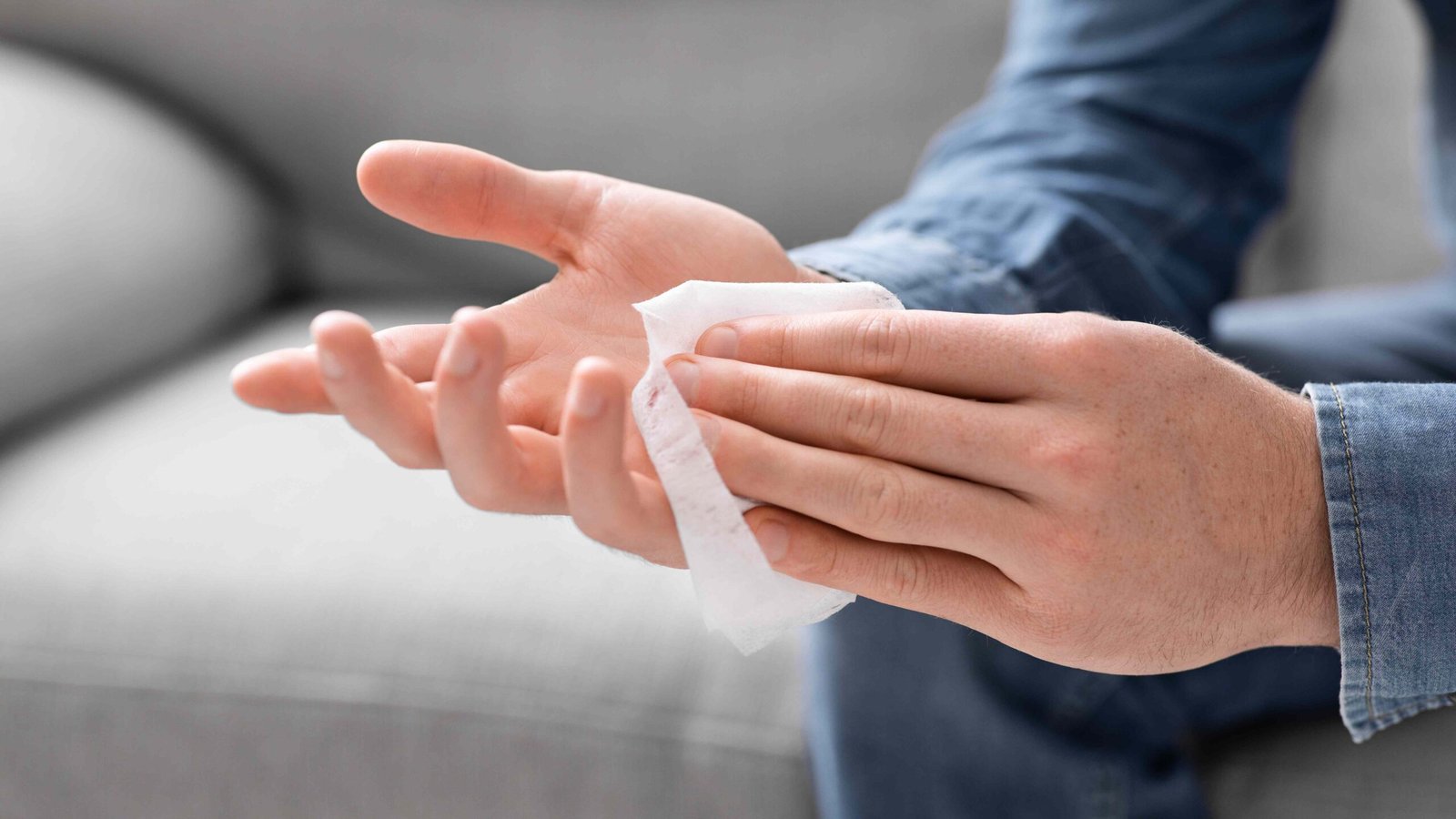
Sweaty hands (palmar hyperhidrosis) cause constant moisture or dripping sweat on your palms. This may happen without a medical cause or as a result of a condition or medication. While there’s no cure, treatments can improve your quality of life.
Antiperspirants work differently than deodorants. Instead of covering up odor, they use ingredients like aluminum chloride to plug the sweat ducts, which are the tubes that release sweat. Some also contain salicylic acid, which helps the product dry faster and absorb sweat better.
For mild cases, regular-strength formulas may be enough. For more persistent sweating, clinical-strength options such as Carpe, Certain Dri, Duradry, Maxim, or SweatBlock may help. Here are some tips for applying antiperspirants:
- Apply nightly until sweating improves, then apply one to two times weekly
- Avoid using on irritated skin
- Leave on for six to eight hours before rinsing
- Start with a small amount
- Use on clean, dry hands
If over-the-counter antiperspirants aren’t working for you, a doctor may recommend a prescription-strength option, such as Drysol (aluminum chloride hexahydrate). They may also suggest:
- Anticholinergics: These block chemicals that activate sweat glands, the organs that make sweat. They’re available in topical (applied to the skin) and oral (taken by mouth) forms.
- Beta-blockers: These are available in pill form and slow your heart rate, reducing stress and anxiety. Inderal (propranolol) is an FDA-approved beta-blocker for high blood pressure, but providers often prescribe it off-label to manage sweating. Off-label use is when a medicine is prescribed for something that it wasn’t originally intended for.
- Benzodiazepines: Medications like Ativan (lorazepam) calm your nervous system to treat anxiety. Doctors may use them off-label for short-term relief when stress-induced sweating occurs.
If antiperspirants and medications aren’t working well, more certain procedures may be the next step. This may include iontophoresis, Botox injections, or surgery (in severe cases).
Iontophoresis
Iontophoresis uses a mild electrical current to block the sweat glands temporarily. This can be performed during an in-office visit or at home with a prescription device.
During iontophoresis, you’ll place your hands in shallow trays of water while the electric current passes through your skin. Each session takes about 15-40 minutes. Most people start with three to four sessions a week, then continue with treatment every one to four weeks. Research shows that symptoms improve in up to 81% of people.
Botox Injections
Botox (botulinum toxin) injections block nerve signals to reduce sweating and are 80%-90% effective. Results typically last around six months, although the effects can last from four to twelve months. Side effects may include temporary hand weakness, pain, or swelling.
Endoscopic Thoracic Sympathectomy (ETS)
An endoscopic thoracic sympathectomy (ETS) is a type of surgery offered for severe cases of sweaty hands. During the surgery, the doctor cuts, clips, or destroys a part of the nerve pathway that controls sweating in your hands. It improves the quality of life in about 84% of people. However, it may cause compensatory sweating (increased sweating somewhere else) in up to 90% of cases.
Less common risks include:
- A collapsed lung
- A slow heartbeat
- Nerve damage near the eyes
- Increased sweating while eating
Due to these risks, ETS is mainly for severe cases when other treatments are ineffective.
Emerging Treatments
Researchers are exploring newer treatments that may offer longer-lasting or less invasive relief. While many are still in early stages, promising options include:
- BoNTA-coated microneedles: This delivers botulinum toxin through tiny, minimally painful needles.
- Laser-assisted topical Botox: This uses laser energy to raise the skin’s absorption of botulinum toxin.
- Radiofrequency nerve treatments: This applies heat to stimulate or disrupt nerve activity that triggers sweating.
- Ultrasound-guided nerve blocks: This uses imaging and local anesthetics (numbing medicines) to block overactive nerves temporarily.
Therapies
Because of the emotional and social burden that can come with having sweaty hands, some people develop anxiety or avoid socializing. A mental health professional can help you build confidence and coping skills while you manage the physical symptoms.
The following tips can help you manage sweating and reduce common triggers:
- Be prepared: Carry antiperspirant wipes or quick-drying cloths to manage sweat throughout the day. Washable grips, absorbent gloves, or keyboard covers can also make daily tasks more comfortable.
- Dress for comfort: Opt for breathable fabrics like cotton to help keep you cool and dry.
- Support your mental health: Relaxation techniques or trying therapy may help you manage anxiety, stress, and nervousness that may trigger sweating.
- Track and avoid triggers: Keep a sweat journal to identify patterns. Common triggers include stress, spicy foods, caffeine, alcohol, nicotine, fatty or salty foods, sugary treats, monosodium glutamate (MSG), and protein-heavy meals.
- Use antiperspirants, not deodorants: Antiperspirants block sweat glands, while deodorants only mask odor.
To create the most effective treatment plan, your doctor will take a detailed medical history. They may ask:
- What makes sweating better or worse
- When, where, and how often you sweat
- Whether other family members have similar symptoms
They may also use the Hyperhidrosis Disease Severity Scale (HDSS), which measures how severe your sweating is. They may use the following tests to confirm the diagnosis or rule out other causes:
- Blood tests: These can help determine if your sweaty hands could be due to underlying health conditions, such as diabetes.
- Gravimetric test: This test measures the amount of sweat on your hands by weighing gauze before and after wiping it from your hands.
- Skin conductance test: This test measures how well your skin carries electricity. If you have sweaty hands, this can carry more of an electrical current because sweat has electrolytes.
- Starch-iodine test: This test uses iodine and starch to turn sweaty areas purple. This shows where sweat is the heaviest.
- Sudorometry: This test measures how fast you sweat.
- Thermoregulatory sweat test: This test uses a special powder all over the body that changes color when you sweat. The doctor will use heat or humidity, combined with the powder, to determine where you sweat the most.
If there isn’t an underlying cause, your doctor may diagnose you with primary palmar hyperhidrosis. This type usually:
- Affects both hands
- Runs in families
- Starts before 25 years old
- Stops during sleep
Palmar hyperhidrosis can interfere with everyday activities. Constant hand sweating may disrupt writing, using devices, gaming, shaking hands, or other routine tasks. These challenges can affect your confidence in various settings, including work, school, and social settings.
Living with sweaty hands can be frustrating, yet many people wait years to seek help. Nearly half delay treatment for more than a decade. Talking with your doctor about how symptoms impact your daily life is an important first step. Effective treatment options are available, and research shows these options can help improve your quality of life, daily function, and confidence.
