

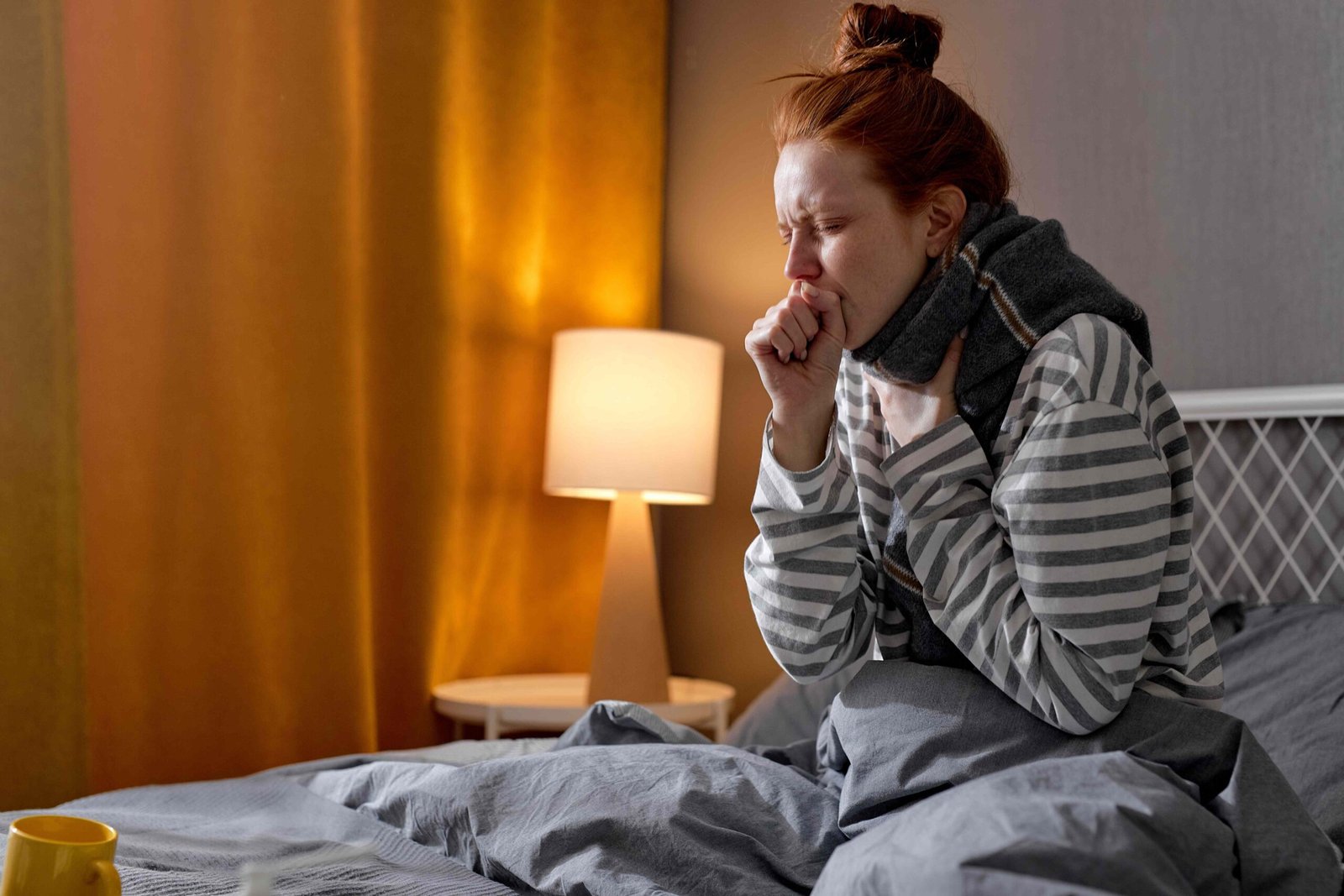
A dry cough can seriously disrupt your sleep. Your cough might get worse at night if you have a condition like acid reflux, asthma, or chronic obstructive pulmonary disease (COPD). Postnasal drip from a cold, allergies, or sinus infection may also cause a tickle in your throat and trigger coughing. Luckily, several home remedies and treatments can offer relief.
Gastroesophageal reflux disease (GERD) causes acid reflux, or when acid from your stomach backs up into your esophagus. Your stomach acid is more likely to flow backward when you lie down to sleep.
Other common GERD symptoms include:
- Chest pain and heartburn
- Difficulty swallowing
- Feeling like food is stuck behind your breastbone
- Hoarse voice
- Nausea
- Regurgitation, or food that comes back up after eating
- Sore throat
A dry cough at night is a common side effect of angiotensin-converting enzyme (ACE) inhibitors, which treat hypertension (high blood pressure). A cough may begin within a few weeks of starting them, so you may not realize it is the cause.
People with asthma have inflamed airways, which can cause coughing, difficulty breathing, and wheezing. An asthma-induced cough might worsen at night. Circadian rhythm, or the sleep-wake cycle, might affect symptom severity.
COPD includes chronic bronchitis and emphysema, both of which are lung diseases that make breathing difficult. You might have a hacking cough that produces a lot of mucus, particularly in the morning.
Other COPD symptoms include:
- Chest tightness
- Shortness of breath, especially with physical activity
- Wheezing
- A whistling sound when breathing
Pneumonia is an infection that occurs in the lungs. Some of the most common symptoms of pneumonia include:
- A cough that produces phlegm
- Fever and chills
- Trouble breathing
- Chest pain when breathing deeply and coughing
Postnasal drip, or upper airway cough syndrome, is one of the most common causes of chronic coughing.
Allergies and colds cause mucus to drip down your throat, which tickles nerve endings and triggers coughing. Congestion, itchy eyes, and sneezing might also occur with postnasal drip.
Pertussis (whooping cough) is a bacterial respiratory infection. Coughing is one of the main symptoms and can become violent, especially at night.
The symptoms of whooping cough initially resemble a cold: a runny or stuffy nose, fever, and watery eyes. The classic coughing signs typically emerge after 1-2 weeks. You might develop intense hacking that causes you to throw up.
You can usually treat a cough at home using some of the following methods. Make sure you also follow a doctor’s recommended treatment if you have a condition like asthma or COPD.
- Breathe in hot steam: Take a hot shower or use a vaporizer to inhale hot steam, which helps moisten a dry throat and reduce coughing. Make sure you clean your vaporizer regularly to prevent mold growth.
- Avoid smoking: Not smoking and staying away from secondhand smoke can help manage a cough, especially if you have COPD. It can be difficult to avoid smoking, but a healthcare provider can advise you on how to do it.
- Elevate your head at night: This helps reduce GERD symptoms, such as a dry cough, which may worsen when you lie down. Try propping your head up on a wedge pillow to prevent stomach acid from coming back up into your esophagus.
- Stay hydrated: Make sure you drink plenty of fluids, including broth, fruit juice, sports drinks, and water. These fluids may thin out the mucus in your throat and help you cough it up.
- Suck on cough drops: Cough drops and hard candies might suppress a cough. Look for varieties that contain eucalyptus, honey, or menthol, which may soothe your throat.
- Treat seasonal allergies: Stay indoors if there is a lot of pollen circulating outside, and shower and change your clothes after being outdoors. You may also consider using an air purifier, closing your windows, covering your pillows and mattress with dust mite covers, keeping pets with fur in a separate room when sleeping, and avoiding using a fan that circulates air from outside.
A healthcare provider may recommend over-the-counter (OTC) or prescription treatments, depending on the cause of your cough.
- Antibiotics: Can be used to treat bacterial infections like pneumonia and whooping cough. Viral infections do not respond to antibiotics, but they may respond to some antivirals. Follow a doctor’s instructions for taking antibiotics. You must complete the entire course of medicine, even if you feel better earlier. The bacteria may remain in your body and reinfect you if you do not complete treatment.
- Antihistamines: Available in capsules, liquids, nasal sprays, and other forms. These drugs treat allergies by blocking histamine, a chemical that your body releases in response to an allergen. Take an antihistamine before bedtime to alleviate a dry cough at night or in the early morning. Some antihistamines last 24 hours. Check the medication instructions to know how often to take it.
- Bronchodilators: These treat asthma and COPD. Bronchodilators offer quick relief by opening up and relaxing the bronchi, or passageways that direct air into your lungs.
- Decongestants: These treat nasal congestion caused by colds, allergies, and the flu. Decongestants are available over the counter in liquids, nasal sprays, pills, and more. Do not use decongestants for more than three days to avoid becoming dependent on them.
- Guaifenesin: Available as capsules, liquids, and tablets. Guaifenesin alleviates chest congestion from a cold, allergies, or the flu. You can take it alone or with antihistamines, decongestants, and cough suppressants. Make sure you read the label carefully and only use as directed.
- Oral steroids: These treat symptoms of asthma and COPD that persist for 1-2 weeks. Oral steroids are available as capsules, liquids, and pills.
A dry cough from a cold, sinus infection, or the flu typically goes away with home remedies and treatment. Contact a doctor if your cough lasts longer than 10-14 days or if you have:
- A cough that brings up blood or rapidly becomes violent
- Fever
- Recent exposure to tuberculosis
- Signs of heart failure (e.g., a cough that worsens when you lie down, heart disease, and leg swelling)
- Stridor, or a high-pitched sound when you breathe in
- Thick phlegm that’s yellowish-green and smells foul
- Unintended weight loss and night sweats
Seek immediate medical attention if you have trouble breathing or signs of an allergic reaction. These include hives, difficulty swallowing, and face and throat swelling.
Infants and Young Children
See a doctor if your child is younger than 3 months old or has:
- Blue or pale face, lips, and tongue
- A cough that lasts longer than one week or worsens
- A fever that lasts longer than two days
- Severe coughing and wheezing
- Shortness of breath and trouble breathing
- Stridor, or a high-pitched sound when breathing
Let a doctor know if your child develops a cough at the same time each year or in response to an allergen. They can help them diagnose allergies and advise treatment.
A dry cough at night can make it difficult to sleep. Acid reflux, inflamed airways, and postnasal drip might cause a coughing attack. A dry cough might also be a side effect of ACE inhibitors or a sign of COPD, pneumonia, or whooping cough.
It is important to consult a doctor, regardless of the cause of your cough. They can recommend home remedies and treatments to help you breathe easier and sleep better.
