

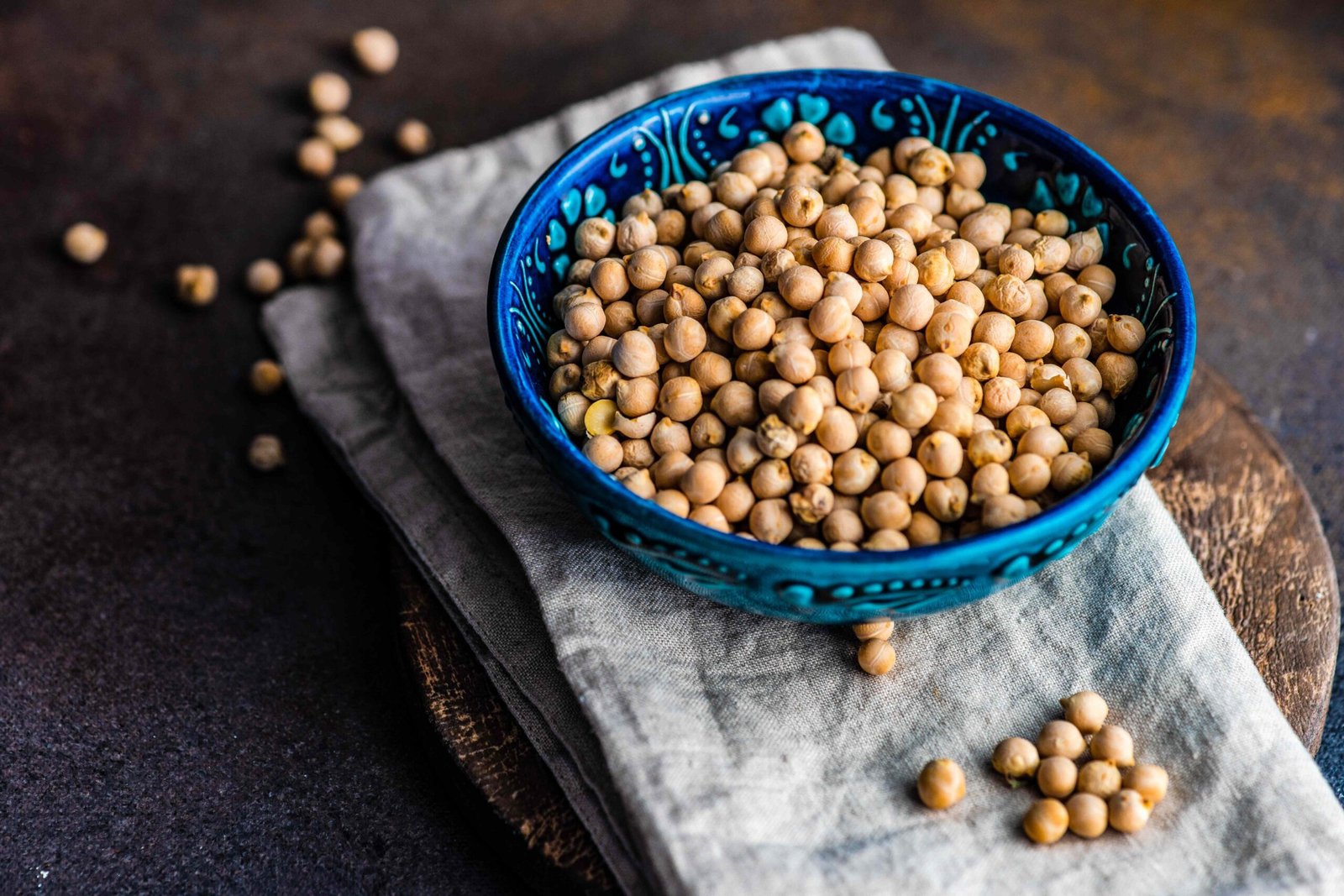
Chickpeas are a plant-based source of iron, containing about 2 milligrams of iron per half cup. That’s 11% of the daily value (DV) of iron. Several foods provide more iron per serving than chickpeas.
Kevin Brine / Getty Images
- Iron content: 16.2 milligrams (mg), 89% of the DV
- Serving size: Half cup of whole-grain kernels
In the United States, about half of the iron people get from food comes from fortified foods. Fortified foods have nutrients like iron added during manufacturing to increase their nutritional value.
Among fortified cereals, ready-to-eat whole-grain kernel options tend to contain the most iron. Meanwhile, fortified toasted oat cereals, bran flakes, and hot wheat cereals contain 4-6 mg per half-cup serving.
istetiana / Getty Images
- Iron content: 5.5 mg, 30% of the DV
- Serving size: 3 ounces
Beef liver is an organ meat that comes from the liver of a cow. It is one of the most nutrient-dense foods available. In addition to iron and high-quality protein, it provides vitamins and minerals, such as:
- B vitamins and folate
- Choline
- Copper and selenium
- Magnesium and potassium
- Vitamin A
- Zinc
To mellow the taste, consider soaking the liver in milk or lemon juice for 30-60 minutes before cooking it. You can eat it pan-seared with onions or finely mince and mix it into ground beef for chili or tacos.
TanyaSid / Getty Images
- Iron content: 5.5 mg, 30% of the DV
- Serving size: 3.5 ounces
Beef tenderloin roast is a nutrient-dense lean meat. In addition to iron, this cut also provides protein, zinc, potassium, and vitamin B12. It works well roasted with vegetables, sliced over salads, or served with grains.
Aleksandr Zubkov / Getty Images
- Iron content: 4 mg, 22% of the DV
- Serving size: Half cup, canned
Beans are rich in complex carbohydrates, fiber, and plant protein, helping you feel fuller longer and stabilizing your blood sugar. They’re also rich in nutrients like potassium, magnesium, zinc, and folate. You can add white beans to soups, salads, and grain bowls or mash them into spreads and dips.
pr2is / Getty Images
- Iron content: 3.9 mg, 21% of the DV
- Serving size: Six medium oysters, Eastern variety, cooked with moist heat
Oysters provide highly absorbable heme iron—a type of iron found in animal flesh—which your body uses more easily than plant-based iron. They are also rich in zinc, vitamin B12, copper, and choline and provide calcium, magnesium, potassium, and protein.
Oysters are available fresh, frozen, or canned at grocery stores and seafood markets. You can enjoy them raw, grilled, baked, or added to dishes like stews or pasta.
Katsumi Murouchi / Getty Images
- Iron content: 3.3 mg, 18% of the DV
- Serving size: 1 ounce, 70-85% cacao
Chocolate may not be the first food you think of for iron, but 1 ounce of high-quality dark chocolate provides nearly the same amount of iron as a half-cup of chickpeas.
Choosing chocolate with a higher cacao percentage, such as 70–85%, usually means more iron. If higher percentages of cacao are not your favorite, 45–59% dark chocolate still provides 2.3 mg of iron per ounce.
SimpleImages / Getty Images
- Iron content: 3 mg, 17% of the DV
- Serving size: Half cup, boiled
Lentils are pulses, which are dried legume (bean family) seeds. They are packed with plant-based protein and fiber but low in fat and sodium. They also contain nutrients like folate, potassium, magnesium, and zinc.
Their complex carbohydrates have a low glycemic index, meaning they won’t spike your blood sugar. Lentils are also rich in disease-fighting phytochemicals (plant-based compounds).
You can add lentils to soups, stews, salads, and grain bowls. They also work well as a base for veggie burgers or meatless sauces.
Kriangkrai Thitimakorn / Getty Images
- Iron content: 3 mg, 17% of the DV
- Serving size: Half cup, firm
If you follow a vegetarian or vegan diet, plant-based soy foods like tofu can help you meet your iron needs. Tofu comes in several textures and works well in stir-fries, grain bowls, and salads. You can also bake or pan-sear it with simple seasonings, or add it to soups and noodles for an easy meal.
Little Hand Images / Getty images
- Iron content: 3.2 mg, 17% of the DV
- Serving size: Half cup, boiled and drained
Raw spinach is bulky and mostly water. When you lightly steam or sauté it, the leaves shrink, concentrating the nutrients.
Spinach contains natural compounds that bind to iron, making it harder for your body to absorb. You can improve absorption by pairing spinach with vitamin C–rich foods like citrus, bell peppers, or strawberries.
Your daily iron needs depend on factors like your age and sex. The table below shows the National Institute of Health’s Recommended Dietary Allowances for iron.
Group
Daily Iron Need
0-6 months
0.27 mg
7–12 months
11 mg
1–3 years
7 mg
4–8 years
10 mg
9–13 years
8 mg
14–18 years
11 mg male, 15 mg female
Females (19-50)
18 mg
Females (51+)
8 mg
Pregnant females
27 mg
Breastfeeding females
9-10 mg
When you see “% DV” for iron on food labels, it is based on the FDA’s reference of 18 milligrams per day, not on individualized recommendations. This amount reflects higher iron needs for females who have periods and provides a standard way to compare foods, even though your personal needs may be higher or lower.
Your body absorbs heme iron from meat and seafood more easily than non-heme iron from plant-based foods. Pairing non-heme iron sources with either vitamin C–rich foods—like tomatoes, bell peppers, and citrus—or heme-iron foods helps improve iron absorption.
Caffeine and calcium-rich foods can reduce how much iron your body absorbs. Try to avoid these for about one to two hours before and after an iron-rich meal.
Health.com uses only high-quality sources, including peer-reviewed studies, to support the facts within our articles. Read our editorial process to learn more about how we fact-check and keep our content accurate, reliable, and trustworthy.
National Institutes of Health: Office of Dietary Supplements. Iron: Fact Sheet for Health Professionals.
U.S. Department of Agriculture. Food sources of iron.
U.S. Department of Agriculture: FoodData Central. Beef liver, braised.
U.S. Department of Agriculture: FoodData Central. Beef, loin, tenderloin roast, separable lean only, boneless, trimmed to 0″ fat, select, cooked, roasted.
Mullins AP, Arjmandi BH. Health benefits of plant-based nutrition, focus on beans in cardiometabolic diseases. Nutrients. 2021;13(2):519. doi:10.3390/nu13020519
U.S. Department of Agriculture: FoodData Central. Mollusks, oyster, eastern, wild, cooked, moist heat.
U.S. Department of Agriculture: FoodData Central. Chocolate, dark, 70–85% cacao solids.
U.S. Department of Agriculture: FoodData Central. Chocolate, dark, 45- 59% cacao solids.
U.S. Department of Agriculture: FoodData Central. Lentils, mature seeds, cooked, boiled, without salt.
U.S. Department of Agriculture: FoodData Central. Spinach, cooked, boiled, drained, without salt.
Moustarah F, Daley SF. Dietary iron. In: StatPearls. StatPearls Publishing; 2024.
U.S. Food and Drug Administration. Daily value on the nutrition and supplement facts labels.
