

Obstructive sleep apnea (OSA) is a sleep disorder that occurs when your throat muscles relax during sleep, blocking your airways and disrupting your breathing. If you have been diagnosed with OSA, your healthcare provider will provide a treatment plan. This may include using a medical device like a CPAP machine, as well as self-care measures you can take at home.
Experiencing poor sleep due to OSA can impact your mood, causing you to feel anxious, irritated, or stressed out. Research shows OSA can even increase your risk of developing a mood disorder like depression. Learning to use a CPAP machine or wearing a new appliance can also be overwhelming and frustrating.
Research has found that adhering to your treatment plan can significantly improve your mental health, especially symptoms of depression. A few other ways to care for your mental health include:
- Attend an online support group
- Talk with family and friends
- See a therapist
- Spend time outdoors
- Maintain a daily routine
- Socialize with others
- Do an activity or hobby you enjoy
Living with OSA can be stressful, especially if you are sleep-deprived or worried about your health. Some research shows sleep apnea can cause an increase in cortisol, your body’s stress hormone. If you find you are feeling more irritable or stressed, take steps to reduce your stress levels. Excess stress could worsen your sleep apnea and make it harder for you to sleep.
A few ways to manage stress include:
- Practice breathing exercises. In addition to increasing oxygen levels and supporting your diaphragm, these exercises have been shown to alleviate anxiety and stress.
- Try meditation. Focus on relaxing one muscle at a time until you feel your body has let go of all tension.
- Remove known stressors and work on reframing your thoughts to build resilience.
When you have sleep apnea, it becomes increasingly important that you practice good sleep hygiene. This means not only prioritizing sleep every night, but also sticking to a routine and making your bedroom relaxing and conducive to sleep.
To create a healthy sleep environment and bedtime routine, you can:
- Limit your exposure to blue light from screens before bed.
- Keep your bedroom cool, dark, and quiet.
- Refrain from working, watching television, or using electronic devices in your bedroom or right before bed.
- Avoid eating heavy meals, smoking, or drinking alcohol before bed.
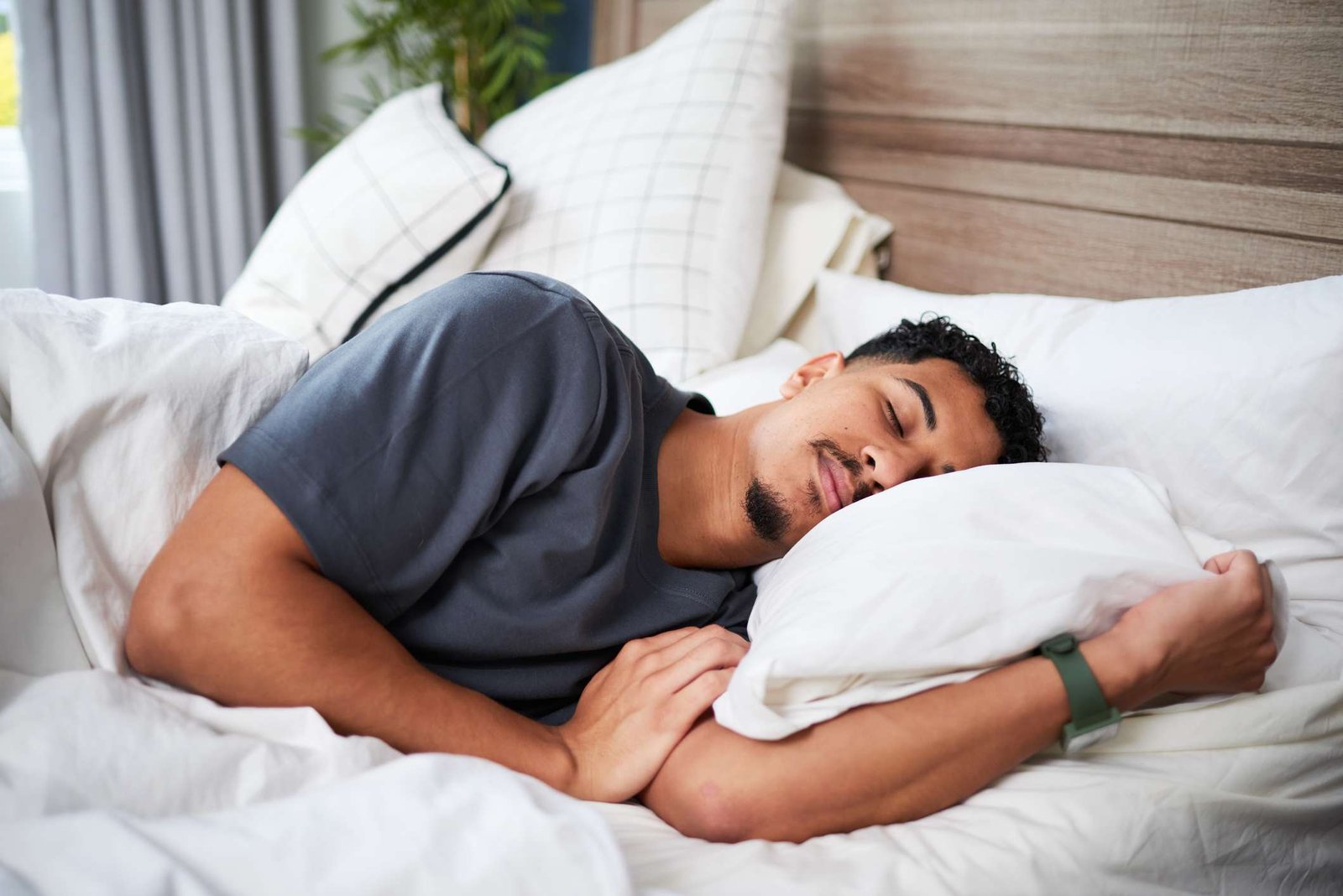
If you have sleep apnea and you tend to snore a lot or gasp for breath at night, you may want to consider your sleeping position.
Sleep medicine experts have found that side sleeping, in particular, may reduce snoring and help keep your airways open when you are resting.
Adjusting your sleeping position can reduce the severity of your sleep apnea by up to 50%, especially when you move from sleeping on your back to sleeping on your side. Elevating the head of your bed may also allow you to sleep better. The key is to find the sleeping position that provides the most restful sleep for you.
Exercise can be a great self-care tool, especially when it comes to managing sleep apnea. Regular exercise can support overall health and well-being, boost your mood, and improve sleep quality.
Exercise can also help with weight management. Weight loss is a common recommendation in sleep apnea treatment, as excess body weight can worsen sleep apnea symptoms.
Also, exercising outside and getting sunlight exposure can help keep your circadian rhythm functioning properly, supporting a healthy sleep-wake cycle. A 2022 survey found that people who spend a moderate amount of time outside experience better sleep than those who do not spend time outside regularly.
Living with OSA can affect your brain health. If left untreated, it may cause cognitive impairment and lead to dementia. Research suggests this happens because OSA causes oxygen deprivation that affects the structure of your brain. This results in memory issues and challenges with attention span and focus.
The best way to protect your brain health is to ensure your sleep apnea is treated. But you can also:
- Stay connected to other people socially
- Engage in stimulating games or activities
- Stay physically active
- Follow a Mediterranean-style diet rich in antioxidants and healthy fats
- Refrain from smoking
- Limit alcohol consumption
Research shows that incorporating even just two or three of the above habits into your life can lower your risk of Alzheimer’s by 30%.
What and when you eat and drink can worsen sleep apnea. Drinking alcohol, especially before bed, can also worsen symptoms. A 2018 study found that people who consumed higher amounts of alcohol had a 25% increased risk of sleep apnea.
Limiting alcohol, managing when you eat, and making diet changes to support weight management and overall health can significantly improve OSA symptoms. In some cases, these changes can eliminate the need for a CPAP.
Here are a few diet habits to support healthy sleep:
- Eat at roughly the same time every day.
- Eat your last meal about two to three hours before bed. This gives your body time to digest the food before sleep.
- Eat small, consistent meals.
- Limit your alcohol consumption.
Some research has found that playing a wind instrument can strengthen your throat muscles and reduce the likelihood that you will experience sleep apnea. For example, one study found that in four months of playing the Australian didgeridoo, people with OSA experienced less daytime sleepiness and fewer instances of snoring.
Although the study was small, scientists were encouraged by the results. They noted that people who played the didgeridoo were less likely to experience collapsing upper airways, which is common in OSA. However, the research is preliminary and could be largely anecdotal.
If you suspect that you have sleep apnea, or if you have a diagnosis, and these self-care techniques have not significantly improved your symptoms, you should see a healthcare provider.
Symptoms like daytime sleepiness, loud snoring, and changes in mood and energy levels affect your day-to-day life and can also increase your risk of death, heart attack, and stroke.
By getting treatment, you can make a positive impact on your health and improve your chances of living a longer, healthier life. For instance, researchers have found that addressing sleep apnea can reduce the 10-year risk of fatal and nonfatal car accidents by 52%. It can also reduce the expected number of heart attacks by 49% and the risk of stroke by 31%.
