

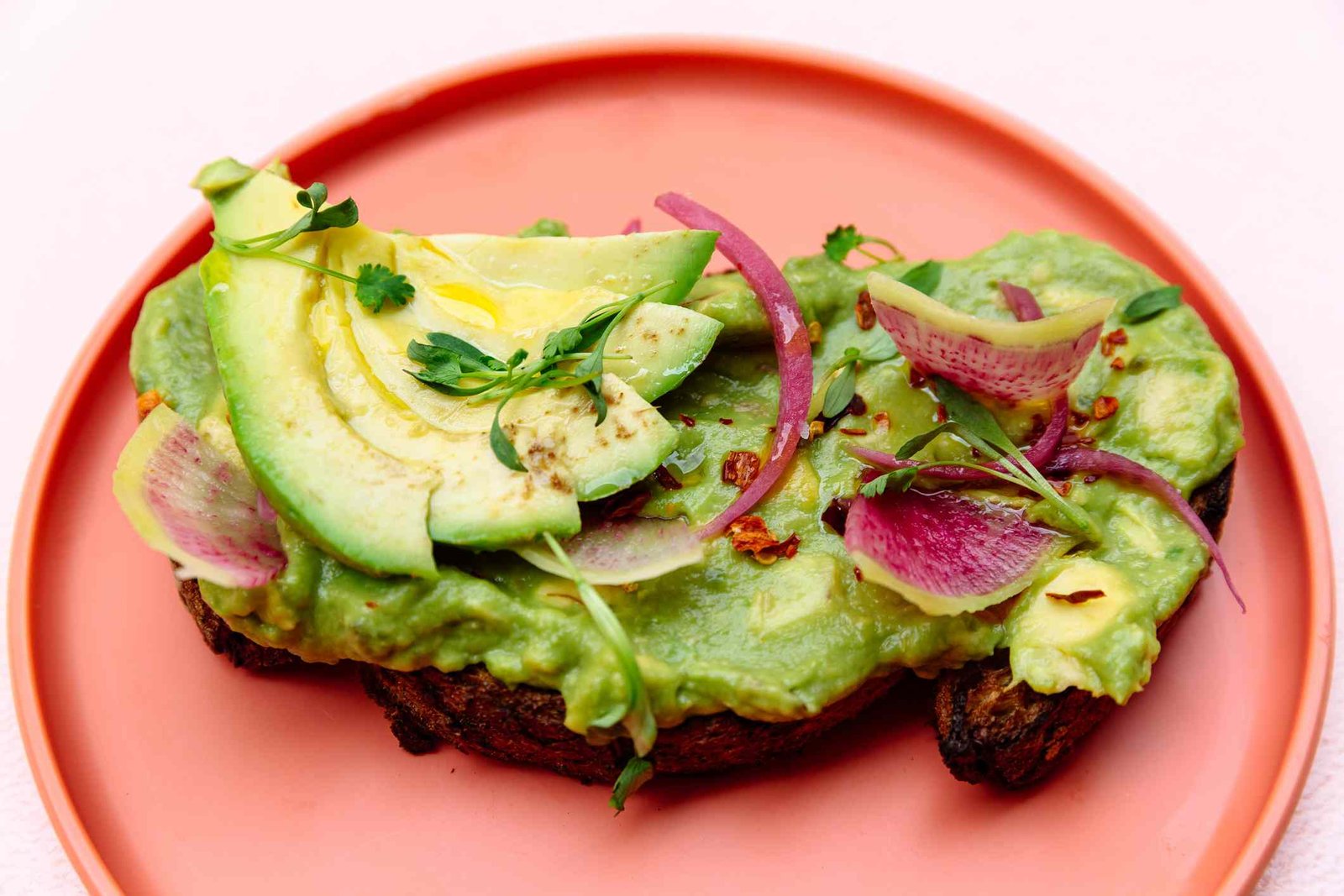
Avocados are one of the healthiest high-fat foods you can eat. However, there are plenty of other nutrient-dense fats to include in meals and snacks. Here are eight healthy fats worth adding to your diet that aren’t avocado.
annick vanderschelden photography / Getty Images
Olive oil is high in heart-healthy monounsaturated fats, particularly oleic acid, which has strong anti-inflammatory properties. It’s also naturally low in saturated fat and contains protective phenolic antioxidants that help reduce inflammation and support overall health, including heart health.
Studies show that diets high in olive oil can help protect against common health conditions like heart disease, diabetes, and certain cancers.
Extra virgin olive oil (EVOO) contains the highest levels of beneficial compounds, such as the powerful antioxidants hydroxytyrosol and oleuropein, making it the healthiest olive oil option.
Healthy fats:
- Total fat: 14 grams of fat per tablespoon
- Monounsaturated fat: 10 grams
- Saturated fat: 2 grams
SimpleImages / Getty Images
Egg yolks often get a bad reputation because they contain cholesterol, but they also hold most of an egg’s nutrients, including important vitamins, minerals, and healthy fats.
Although egg yolks are one of the main sources of cholesterol in many diets, research shows that the cholesterol in eggs doesn’t raise blood cholesterol levels the same way saturated and trans fats do.
Eggs contain mostly heart-healthy unsaturated fats along with a smaller amount of saturated fat. Egg yolks are also rich in the carotenoids lutein and zeaxanthin, which are known for their powerful cellular-protective properties.
Healthy fats:
- Total fat: 5.3 grams per large egg
- Monounsaturated fat: 2.04 grams
- Polyunsaturated fat: 0.75 grams
- Saturated fat: 1.64 grams
MirageC / Getty Images
Walnuts are high in alpha-linolenic acid (ALA), a type of omega-3 fat that has powerful anti-inflammatory and antioxidant effects.
Studies show that increasing your intake of ALA-rich foods, like walnuts, may help lower the risk of heart disease. Plus, eating walnuts can further protect heart health by lowering risk factors like high total and LDL cholesterol levels.
Healthy fats:
- Total fat: 17 grams per ounce
- Monounsaturated fat: 2.34 grams
- Polyunsaturated fat: 12 grams
- ALA: 2.38 grams
HUIZENG HU / Getty Images
Chia seeds are rich in polyunsaturated fats, mainly ALA, which give them anti-inflammatory properties.
They are also packed with cholesterol-lowering fiber and minerals like magnesium, which is essential for healthy blood sugar and blood pressure regulation.
They also provide protein, which helps keep you full after meals and supports stable blood sugar levels.
Healthy fats:
- Total fat: 8.7 grams per ounce
- Monounsaturated fat: 0.65 grams
- Polyunsaturated fat: 6.72 grams
- ALA: 5.05 grams
Anne DEL SOCORRO / Getty Images
Yogurt made with whole milk is higher in fat and calories, but it packs additional benefits thanks to its fatty acid profile. Whole milk and whole milk products, like yogurt, provide over 400 fatty acids, including C15:0 (pentadecanoic acid) and C17:0 (heptadecanoic acid). These may support health by reducing inflammation, promoting cellular repair, and decreasing blood lipid levels.
Yogurt products made from milk from cows fed grass-based diets, such as pasture-raised yogurt, contain higher levels of omega-3 fatty acids and conjugated linoleic acid (CLA), which have anti-inflammatory properties.
Healthy fats:
- Total fat: 5 grams per 170-gram serving
- Saturated fat: 2.4 grams
- Monounsaturated fat: 2.14 grams
- Polyunsaturated fat: 0.46 grams
alvarez / Getty Images
Flaxseed oil is the richest source of ALA you can eat, containing about 53% of ALA by weight. This makes flaxseeds a good choice for those who want to boost their intake of this plant-based omega-3.
Flaxseeds, which are also a good source of ALA, are packed with fiber, minerals, and antioxidant plant compounds such as secoisolariciresinol diglucoside (SDG), which has anti-inflammatory and cholesterol-lowering properties.
Healthy fats:
- Total fat: 13.6 grams per tablespoon
- Monounsaturated fat: 2.5 grams
- Polyunsaturated fat: 9.22 grams
- ALA: 7.26 grams
Antonio Hugo Photo / Getty Images
Sardines are a nutritional powerhouse, packing protein, vitamins, minerals, and a healthy dose of the omega-3 fatty acids EPA and DHA. DHA and EPA support health by reducing inflammation, decreasing blood lipid levels, and improving blood vessel function.
Sardines are so rich in EPA and DHA that research suggests regularly eating sardines may help reduce your need for omega-3 supplements. They’re also an excellent source of protein and are high in vitamin D, iron, B12, calcium, and selenium.
Healthy fat highlights:
- Total fat: 3.23 grams per 1-ounce serving
- EPA: 0.134 grams
- DHA: 0.144 grams
Erika Bunea / Getty Images
Hemp seeds are high in the ALA, which gives these tiny seeds anti-inflammatory and heart protective properties.
Hemp seeds are a particularly heart-healthy option because they’re rich in ALA and other protective nutrients, including magnesium, which plays an important role in blood pressure regulation. Just one ounce of hemp seeds provides about 50% of your daily magnesium needs.
Healthy fats:
- Total fat: 14.6 grams per tablespoon
- Monounsaturated fat: 1.6 grams
- Polyunsaturated fat: 11.4 grams
- ALA: 1.6 grams
Fats play a critical role in health. Fats are necessary for nutrient absorption, hormone production, and the regulation of body temperature, making them essential in your diet.
For example, fats help your body absorb fat-soluble vitamins like vitamins A, D, E, and K, and are necessary for the production of sex hormones, like estrogen.
Certain fats, like omega-3 fatty acids, play specialized roles in the body by helping regulate inflammation and supporting heart and brain health.
Prioritizing certain fats, such as polyunsaturated fats over saturated fats, may improve health by helping lower heart disease risk factors, such as high cholesterol. However, it’s important to focus on the quality of your overall diet rather than a single nutrient.
Adding a variety of healthy fats to your diet can support long-term health while enhancing the flavor and satisfaction of meals and snacks.
