

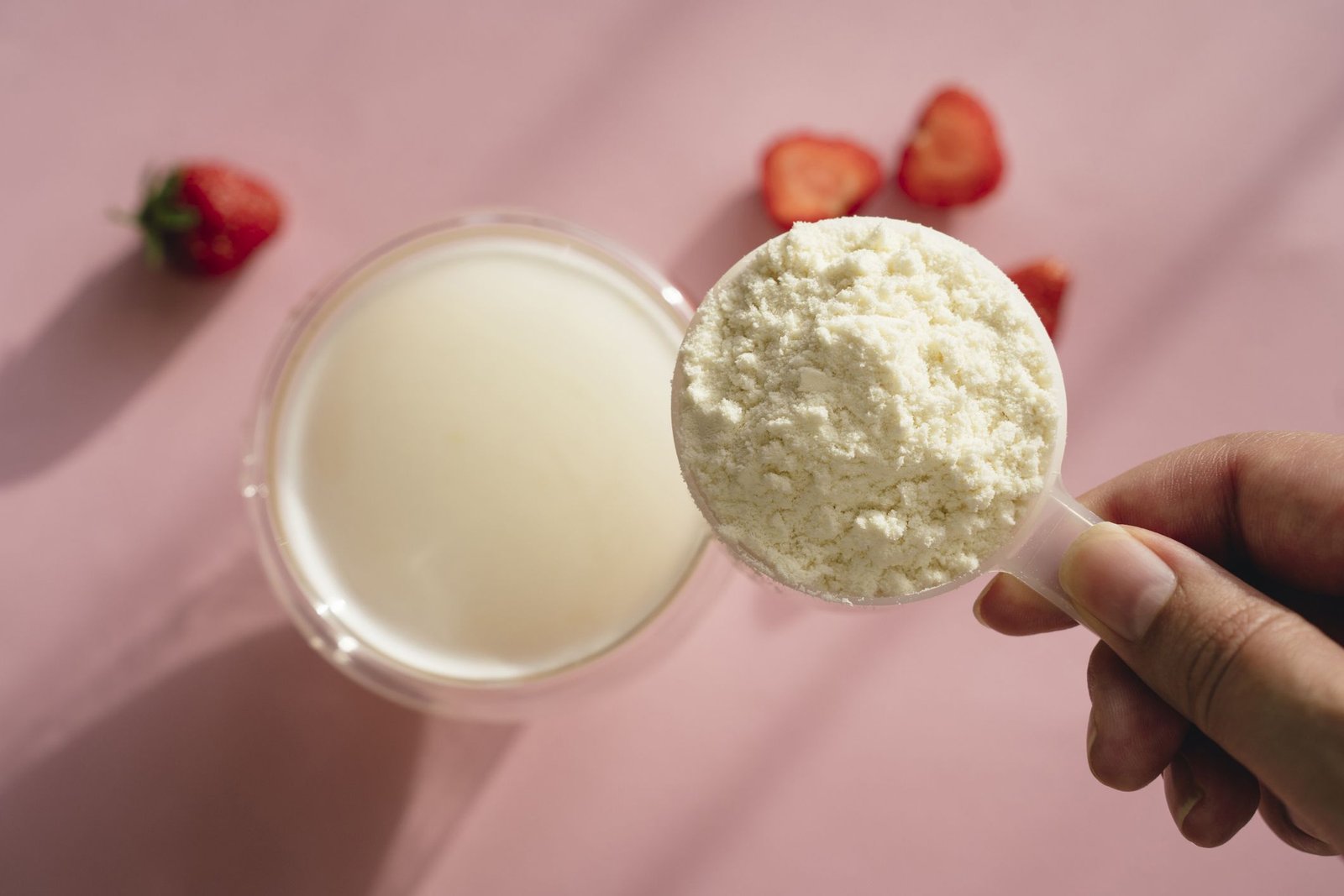
With all the buzz about protein, it can be tricky to separate fact from fiction. Here are the most common protein myths, debunked to clear up the confusion about this essential nutrient.
There’s a misconception that your body can only absorb and use around 30 grams of protein at a time.
However, a 2023 study found that a 100-gram dose of protein produced a significantly greater and longer-lasting anabolic response (the body’s process of building new muscle tissue) than a 25-gram dose of protein.
This means your body can handle and utilize high doses of protein in one sitting, especially during times of increased physical or metabolic stress. Amino acids (the building blocks of protein) are used for much more than building muscle. They are needed for hormone regulation, enzyme production, tissue repair, and immune health.
This doesn’t mean you need to take in large servings of protein at every meal, but you don’t need to limit your protein intake to 30 grams.
Some people think that older adults don’t need as much protein as younger people, but that’s not the case. In fact, following a low-protein diet can have negative effects on older adults’ bone health and muscle mass.
You lose muscle mass as you age. Additionally, as you age, your body doesn’t respond to protein as efficiently, which is known as anabolic resistance. Because of this, older adults need to take in more protein to get the same benefits.
Studies suggest that people aged 65 or older require 1.0-1.3 grams of protein per kilogram per day (0.45-0.59 grams per pound) for overall health and physical function. Older adults who engage in resistance exercise may need even more protein.
Drinking a protein shake or consuming a high-protein meal after your workout can stimulate muscle growth, but studies show that your overall protein intake is most important.
The most effective way for most people to gain muscle is to combine a diet that provides around 1.6-3.3 grams per kilogram (0.7-1.5 grams per pound) of protein per day with resistance training. “Adequate total daily protein intake along with resistance exercise is the key driver for gaining muscle mass and strength, not precise timing of protein intake, for most people,” Yi Min Teo, MS, RD, CNSC, told Health.
Additionally, some experts recommend spacing protein-rich meals at least three hours apart to maximize muscle growth. “Many people consume the majority of their daily protein at dinner. A more balanced approach would be spreading protein intake across breakfast, lunch, and snacks,” Kimberley Rose-Francis, RDN, CDCES, told Health.
Some people think high-protein diets are harmful to the kidneys.
Although a high protein intake increases the production of nitrogenous waste, which the kidneys filter, this isn’t harmful in healthy people. In fact, studies show that a protein intake up to five times the Recommended Dietary Allowance (RDA) is safe and has no negative impact on kidney health or function in healthy people.
That said, people with kidney disease may need to reduce their protein intake in order to manage their condition and preserve kidney function.
The RDA for protein is currently set at 0.8 grams per kilogram (0.36 grams per pound). Many people think that the RDA is the “optimal” amount of protein to be aiming for, but this isn’t the case. The RDA is actually the minimum amount of protein necessary to meet the body’s amino acid requirements and prevent muscle loss.
Most people need much more protein to support overall health. Research suggests that people who regularly exercise should consume between 1.2-2.0 grams per kilogram (0.54-0.9 grams per pound) of protein per day to maintain their muscle mass. People who are actively trying to build muscle mass may need even more.
While it’s true that most plant-based proteins are “incomplete” protein sources because they’re missing or low in one or more essential amino acids, it’s possible to get all the protein you need from plant sources.
If you’re following a plant-based diet, you should aim to include a variety of plant-based protein sources in meals and snacks to ensure you’re meeting your daily protein needs. “Several excellent yet often under-consumed plant-based sources of protein include fortified soy alternatives, beans, peas, and lentils. Consider diversifying your plate by incorporating more of these foods instead of relying solely on meat,” Rose-Francis said.
It was once thought that high protein intake could cause calcium to leach from the bones due to increased acidity in the body. However, this myth has been dispelled.
Protein is essential for bone health. In fact, protein makes up around 50% of bone volume and one-third of its mass. Underconsuming protein can result in low bone mineral density and increase the risk of fracture and bone diseases, like osteoporosis.
Studies show that a protein intake above the current RDA is beneficial for bone health and can protect against bone loss and osteoporosis.
While it’s true that physically active people require more protein than sedentary people, protein is essential for everyone, including people who aren’t active.
Protein does much more than help you build muscle. “Protein is vital for satiety, healthy weight management, immune function, hormone and enzyme production, and organ structure for everyone, regardless of gym habits,” Teo said.
Newer research suggests that healthy adults should consume between 1.0 and 1.2 grams per kilogram (0.45-0.54 grams per pound) of protein per day, regardless of their level of physical activity.
