

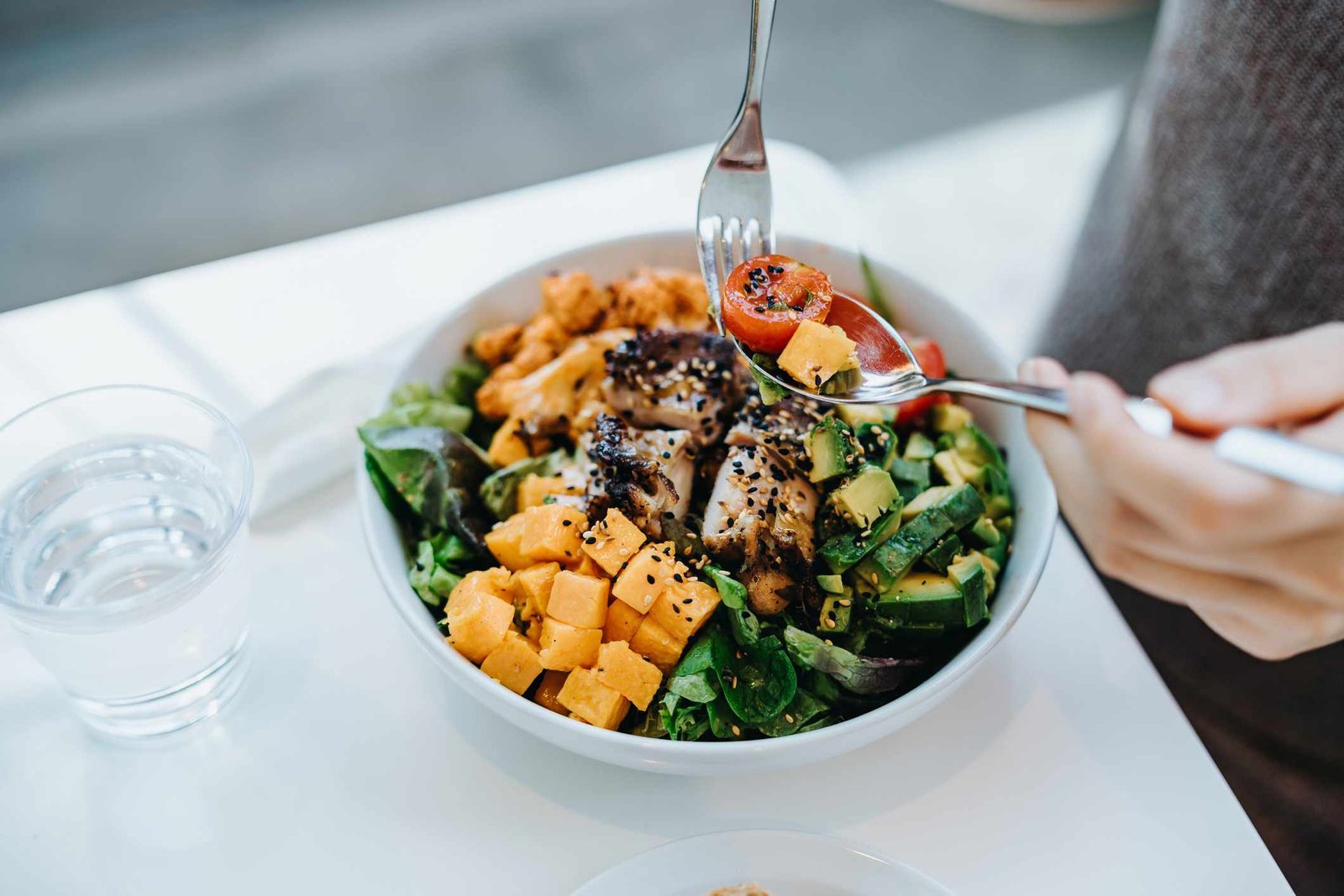
Protein supports muscle and bone health, helps regulate blood sugar, and can play a role in weight management. While many protein-rich foods are relatively low in calories, some deliver significantly more protein per serving than others. Here are the eight foods with a high protein density per 100-calorie serving.
Alexander Spatari / Getty Images
- Protein per 100 calories: 24 grams
Shrimp is one of the most concentrated sources of protein you can eat. It’s also packed with vitamins and minerals, including iron, selenium, zinc, and vitamin B12. It also contains an antioxidant called astaxanthin, which protects against cellular damage.
Try shrimp in dishes such as tacos, salads, and stir-fries, or enjoy it as a high-protein, low-calorie snack.
SimpleImages / Getty Images
- Protein per 100 calories: 23.2 grams
Chicken breast provides slightly less protein than shrimp. But, like shrimp, it’s low in calories and high in essential vitamins and minerals, including B6, B12, choline, zinc, and selenium.
Chicken breast is delicious when used as a high-protein topping for salads, grain bowls, and pastas.
intek1 / Getty Images
- Protein per 100 calories: 17 grams
Salmon is an excellent source of omega-3 fatty acids, including docosahexaenoic acid (DHA) and eicosapentaenoic acid (EPA), which have powerful anti-inflammatory and immune-supporting properties. Canned salmon with bones also provides a good source of calcium, which is essential for skeletal health.
Unlike fresh fish, canned salmon is shelf-stable, budget-friendly, and convenient, making it an easy way to boost your protein intake. Try canned salmon on crackers or use it as a high-protein salad topping.
Iancu Cojocar / Getty Images
- Protein per 100 calories: 16 grams
Lean beef is also rich in vitamins and minerals needed for healthy red blood cell production, such as iron, B12, and zinc, which support immune function and skin health. Lean cuts of beef also provide slightly more protein per gram than higher-fat cuts.
Beef is versatile and can be incorporated into a variety of meals, from steaks and burgers to pasta sauces and sandwiches.
Antonio Hugo Photo / Getty Images
- Protein per 100 calories: 11.8 grams
Sardines are an easy way to increase protein intake because they’re shelf-stable and nutrient-dense. Like canned salmon, sardines are a good source of omega-3s and provide vitamins and minerals, including vitamin E, iron, B12, and calcium.
Enjoy sardines on their own as a protein-rich snack or add them to salads and pastas to increase their protein content.
annabogush / Getty Images
- Protein per 100 calories: 19 grams
Nonfat Greek yogurt has a higher protein content per 100-calorie serving than higher-fat varieties, making it a better choice for those looking to increase protein while keeping calories in check.
Greek yogurt is also rich in nutrients like calcium, vitamin B12, selenium, and zinc. Varieties made with live and active cultures also provide probiotics that support gut health.
Eat Greek yogurt as a high-protein breakfast with fruit, blend it into smoothies, or use it as a high-protein substitute for sour cream or mayonnaise.
skynesher / Getty Images
- Protein per 100 calories: 21.3 grams
While the yolk contains most of an egg’s vitamins, minerals, and antioxidants, egg whites are a low-calorie source of high-quality protein. They’re also cholesterol-free, making them a suitable option for people who need to limit dietary cholesterol.
Use egg whites in omelets, frittatas, and quiches to boost protein without adding many calories, or blend pasteurized egg whites into smoothies for an easy protein boost.
Adela Srinivasan / Getty Images
- Protein per 100 calories: 18 grams
If you’re following a plant-based diet, seitan is one of the most protein-dense foods you can eat. Seitan is made from gluten, a protein found in wheat, and has a chewy, meat-like texture, making it an excellent substitute for animal-based proteins.
Seitan can be added to stir-fries, sandwiches, or grain bowls to make them more filling and protein-rich.
Assessing a food’s protein-per-calorie ratio can be helpful for people who want to increase protein intake while managing overall calories.
It also makes it easier to identify the most protein-dense options to include in meals and snacks. Increasing protein intake can support muscle maintenance, regulate blood sugar, and strengthen bones, while also promoting satiety, which can help with overall calorie control.
While this metric may be helpful for anyone concentrating on their protein consumption, it may be less relevant for those with higher overall calorie needs, who may benefit from more calorie-dense foods.
Increasing protein intake offers many benefits, but individual protein needs vary based on factors like age, activity level, and health goals.
Focusing on high-protein-per-calorie foods can help boost intake, but it’s equally important to ensure you’re meeting your total daily protein requirements.
While protein is essential, other nutrients, such as fiber and healthy fats, also play a key role in long-term health and disease prevention. That’s why it’s best to focus on your overall dietary pattern rather than a single nutrient.
