

Fiber doesn’t only come from food—you can get fiber from your drinks, too. The best high-fiber drinks combine hydration with natural ingredients that soften stool and nourish healthy gut bacteria, helping fiber work better in your system with less discomfort.
Arx0nt / Getty Images
- Fiber content: 7-14 grams (g), 25-50% of the recommended daily value (DV)
- Serving size: 8-12 ounces (oz)
Smoothies combine several fiber sources into one drink, making them one of the easiest ways to increase fiber. Blending softens fiber so your body can handle it more comfortably, and the liquid helps fiber move through your digestive system.
Many recipes combine soluble fiber from fruits such as berries or bananas with insoluble fiber from leafy greens. This combination helps soften stool while keeping your digestive system moving. Creamy add-ins like avocado, white beans, or cacao boost fiber without making smoothies hard to drink.
If you want a little extra fiber, consider adding chia seeds.
Adding kefir, kombucha, or yogurt adds probiotics, which are healthy bacteria that support your gut. When you combine them with fiber-rich foods like fruit, oats, or seeds, fiber feeds those bacteria and supports regular digestion.
fortyforks / Getty Images
- Fiber content: 9.75 g, 34% DV
- Serving size: 2 tablespoons (tbsp) of chia seeds
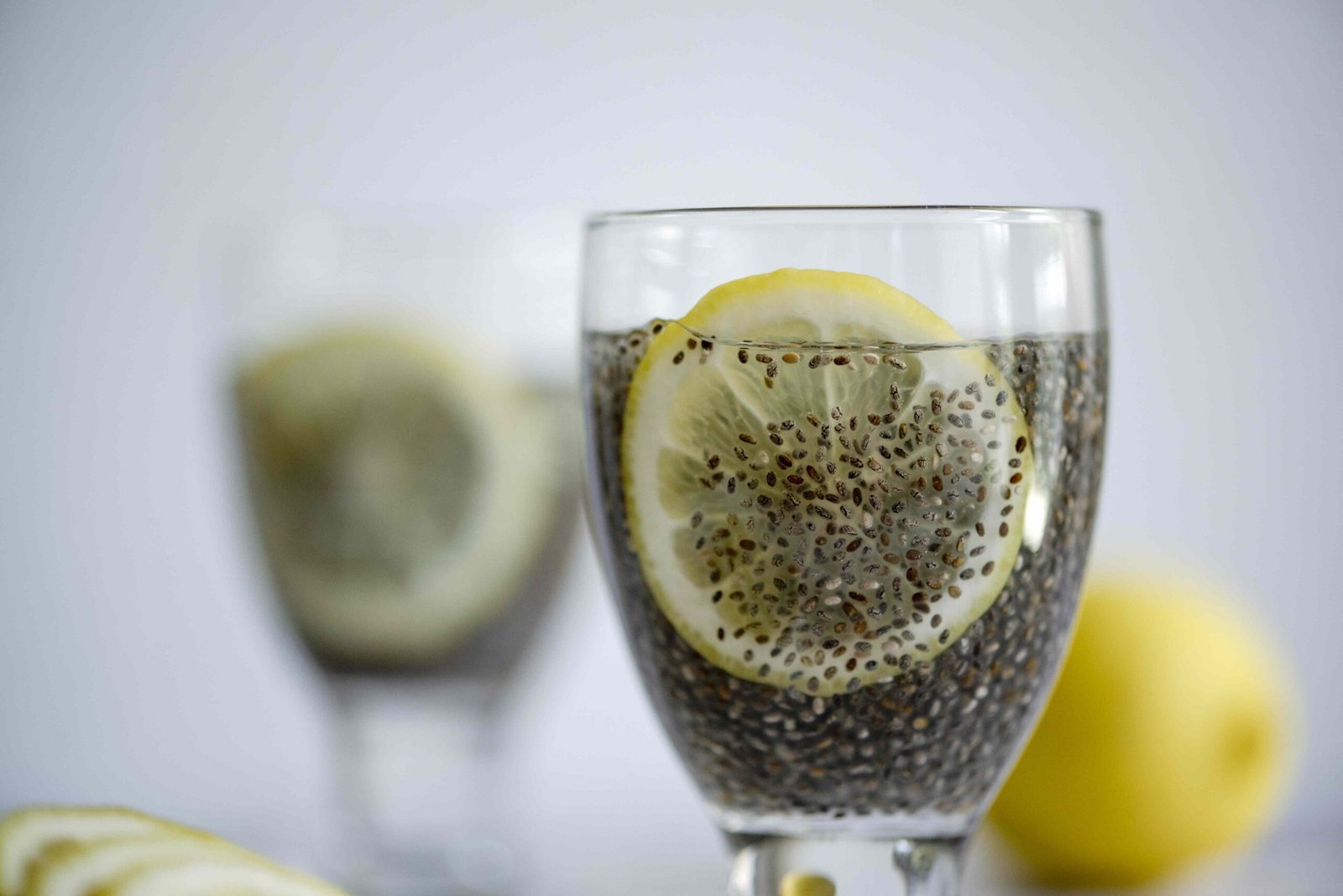
Chia seeds absorb up to 12 times their weight in liquid, creating a gel that helps everything move smoothly through your digestive system. You can add them to plain water, juice, or smoothies.
Or you can make a chia fresca by combining the seeds with water, lemon or lime juice, and a splash of honey or another sweetener.
If you are new to chia seed drinks, introduce them slowly. Start by adding a teaspoon a day with plenty of fluids and work your way up to two tablespoons. Let the chia seeds soak for a few minutes before sipping, to reduce the chance of the seeds absorbing fluid from your body.
d3sign / Getty Images
- Fiber content: 4-9 grams, 14-32% DV
- Serving size: 10 oz
Green juices support digestion best when you keep the pulp. Otherwise, juicing strips away most of the beneficial insoluble fiber. Many store-bought green juices are pulp-free, so check labels or make your own.
Most fiber lives in the skins and fibrous meat of fruits and vegetables. By using a high-powered blender instead of a juicer, you retain the insoluble fiber that physically sweeps waste through your system.
Here is a sample recipe that provides about 4 grams of fiber per 8-10 ounces of green juice with the pulp:
- 1 cup fresh spinach
- Half cup fresh kale, stems removed
- One small celery stalk or cucumber
- Half of a medium apple or pear, peeled and cored
- 1.5 cups cold water
Optional add-ins include a squeeze of lemon, a slice of fresh ginger, or chia seeds. Adding a tablespoon of chia seeds increases your fiber to a total of 9 grams.
- Fiber content: 6 g, 21% DV
- Serving size: 1 tbsp
Acacia fiber dissolves in water, coffee, or juice without thickening your drink. It’s also a gentle prebiotic, which feeds healthy gut bacteria and reduces gas and bloating.
For a flavorful drink, try stirring a tablespoon into the drinks:
- Apple cider, cinnamon, lemon
- Berry lemonade with sparkling water
- Cucumber, mint, lime, sparkling water
- Grapefruit juice, agave, sparkling water
- Hibiscus tea, ginger beer, lemon
You can sip these slowly. There’s no need to chug them before they thicken like psyllium drinks.
- Fiber content: 2.3 g, 8% DV
- Serving size: 1 tbsp
Ground flaxseed gives you a mix of soluble and insoluble fiber plus omega-3 fats. It supports digestion and helps maintain heart health, cholesterol levels, and healthy blood sugar.
You can add ground flaxseed to:
- Coffee or tea
- Juice
- Milk
- Smoothies
- Warm lemon water
Stir it well or blend it into the liquid. If you are not using a blender, drink it fairly quickly, as it thickens over time.
- Fiber content: 4.8 g, 17% DV
- Serving size: 40 g (about a third of a cup of whole steel oats)
Oats contain beta-glucan, a special soluble fiber that feeds helpful gut bacteria. When your gut bacteria break them down, the beta-glucan produces compounds that support digestion, gut balance, and immune function.
You can build high-fiber oat-based breakfast drinks with blended or overnight combinations like milk, oats, and:
- Berries and chia or flax seeds
- Banana, peanut butter, and cocoa powder
- Cinnamon, vanilla, or nutmeg (warmed)
HandmadePictures / Getty Images
- Fiber content: 5 g, 18 % DV
- Serving size: 8 oz
Pear juice contains sorbitol, a naturally occurring sugar alcohol that pulls water into your intestines to help soften stool. It also provides pectin, a soluble fiber that supports gentle digestion. However, it also has natural sugars, so it’s best to choose 100% juice, watch labels, and avoid added sugars.
- Fiber content: About 6 g (varies by brand), 21% DV
- Serving size: 12 oz
Fiber-fortified sodas use prebiotic fiber (like chicory root or agave inulin) to feed the good bacteria in your gut, aiding digestion. These drinks serve as a lower-sugar soda swap. Check labels carefully, though, since some still contain added sugar. Think of them as an occasional fiber boost or a healthier soda swap, not your main source of hydration or fiber.
Increasing fiber too quickly can cause gas, bloating, cramping, or stomach discomfort. Adding fiber slowly—about 2-3 g of fiber every few days over several weeks—gives your gut time to adjust. Drinking enough water is also important, since fiber needs liquid to move through your digestive system and prevent constipation.
