

Carrots, scientifically known as Daucus carota, may have benefits for your eyes, immune, and heart health. These root vegetables supply beta-carotene, fiber, vitamins, and minerals.
One large carrot (one cup) can provide 100% of the Daily Value (DV) for the cell-protective antioxidant vitamin A. Vitamin A comes from two carotenoid pigments called alpha-carotene and beta-carotene.
Vitamin A may prevent age-related macular degeneration (AMD), which causes vision loss. A vitamin A deficiency can lead to xerophthalmia, which damages vision and causes night blindness.
The antioxidants lutein and zeaxanthin in carrots also improve eye health. Both natural compounds protect the retina and lens.
Two nutrients in carrots support the immune system: vitamins A and C.
Vitamin A particularly helps form and protect mucous membranes. These barriers keep germs out of your body. They make up the lining of the respiratory, digestive, and urogenital tracts.
Potassium in carrots helps regulate blood pressure. This mineral sweeps excess sodium and fluid out of your body, which takes the pressure off your heart.
The phenolic compounds in carrots may lower your risk of cardiovascular disease.
These compounds have antioxidant effects, which help control blood sugar and cholesterol levels. High blood sugar and cholesterol levels are significant risk factors for heart disease and stroke.
An antioxidant called lycopene, found in carrots, may support vascular health and prevent cardiovascular disease.
What the Science Says: A 2020 review found that carrots, among other fruits and vegetables, had some of the greatest benefits for cardiovascular health.
Carrots are a source of fiber and water, both of which help you feel full for longer periods. Compared to other vegetables, carrots have been linked to lower body mass index (BMI) and rates of obesity.
Tip: One cup of carrots contains 52.8 calories. Scooping up hummus or guacamole with a cup of raw, sliced carrots in place of 10 pita chips saves about 80 calories and increases your fiber intake.
The carotenoids in carrots may have anti-diabetic effects. People with lower carotenoid levels have been shown to have higher blood sugar levels. Those with higher levels may have lower insulin resistance. Insulin is a hormone that helps your body use glucose (sugar).
The soluble fiber in carrots controls blood sugar and insulin levels after eating. Carrots also provide a steady energy supply. They are low on the glycemic index (GI), which measures how quickly a food raises your blood sugar.
The antioxidants in carrots have been shown to lower the risk of several cancers, including lung, colorectal, prostate, and leukemia. Beta-carotene is associated with lower rates of cancer.
Lycopene may also fight cancers, such as stomach, prostate, lung, and breast.
Natural compounds in carrots have been shown to have anti-inflammatory effects. One of them is lutein—the same antioxidant that protects the retina from AMD.
What the Science Says: A 2021 study found that lutein can have beneficial effects on brain health in healthy older adults.
A 1-cup serving of raw carrots provides the following nutrients:
- Calories: 52.8
- Fat: 0.288 grams (g), or 0.37% of the DV
- Sodium: 90 milligrams (mg), or 3.91% of the DV
- Carbohydrates: 11.6 g, or 4.22% of the DV
- Fiber: 3.48 g, or 12.43% of the DV
- Added sugars: 0 g
- Protein: 1.04 g, or 2.08% of the DV
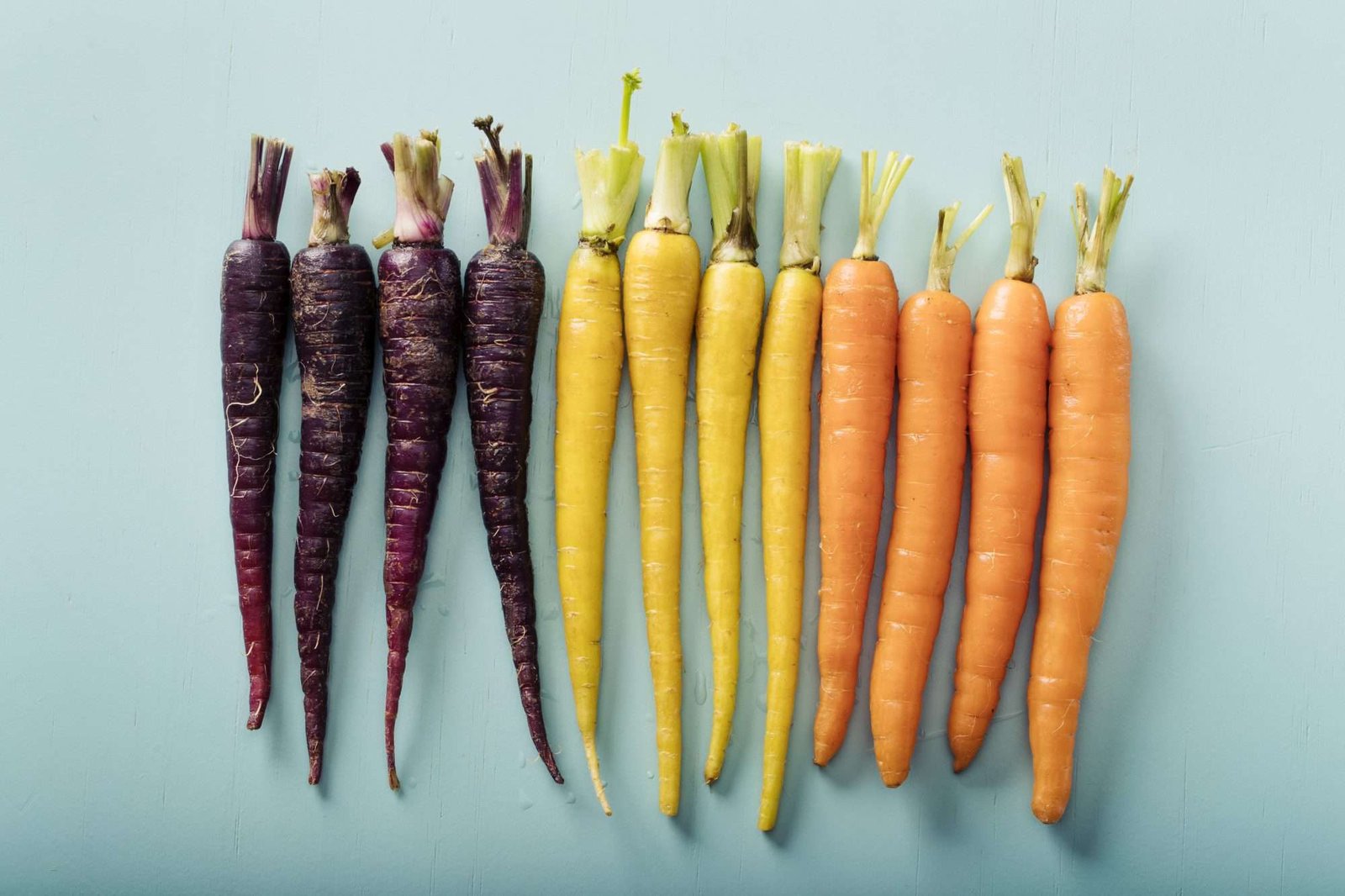
Carrots come in more colors than orange, including purple, yellow, black, and red. They have unique tastes that you can incorporate into savory and sweet dishes.
Each color of carrot also has unique benefits, such as:
- Black is high in phenolic compounds
- Orange is rich in alpha- and beta-carotene
- Purple has polyacetylenes
- Red has lycopene
- Yellow contains lutein
Eating them raw or cooked offers different benefits. For example, raw carrots have more vitamin C, and cooked ones make antioxidants easier to absorb.
Some ways you can add more carrots to your diet include:
- Add shredded or chopped raw carrots to overnight oats, salads, or slaws, or fold them into nut butter.
- Incorporate carrots into desserts, such as carrot cake, pie, cookies, whoopie pies, dark chocolate truffles, and ice cream.
- Oven-roast carrots, brushed with a little extra virgin olive oil, salt, and pepper.
- Prepare carrots with a glaze made from water-thinned pure maple syrup, cinnamon, and fresh, grated ginger root.
- Use whole or cut, raw carrots to scoop up dip, olive tapenade, and tahini.
