

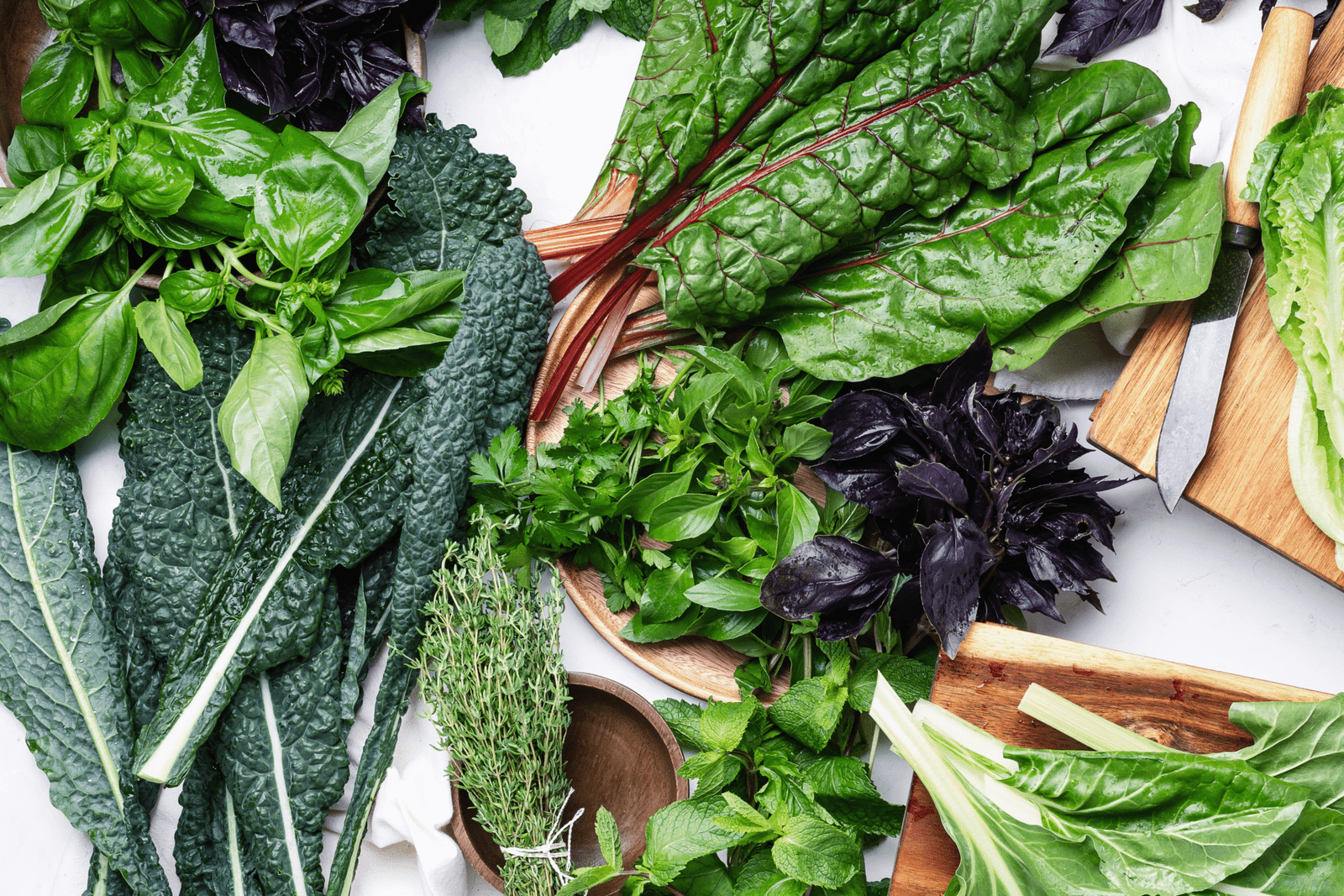
Iron is an essential mineral that helps create cells that carry oxygen throughout the bloodstream. But you don’t have to rely solely on meat to get enough iron in your diet—especially during the colder months, taking advantage of winter greens can help you reach your daily iron goals.
vkuslandia / Getty Images
Iron: 6.4 milligrams per cup of cooked spinach
Spinach is a leafy green that can withstand freezing temperatures—per cooked cup, spinach also provides 35% or 80% of the recommended daily intake of iron, depending on age and sex.
Spinach is also rich in folate, which supports red blood cell production, along with vitamins A and C to support eye, skin, and immune health.
However, spinach also has some of the highest concentration of oxalates, which are plant compounds that interfere with iron absorption in the body. Pairing spinach with foods high in vitamin C makes it easier for the body to absorb that iron.
© Ian Laker Photography / Getty Images
Iron: 4 milligrams in 1 cup of chopped, cooked Swiss chard
Swiss chard has dark green leaves and colorful stems, and is in season during the fall, winter, and spring. A cup of cooked Swiss chard provides 50% of the daily value of iron for men and older women, and 22% for women ages 19 to 50.
In addition, Swiss chard contains high levels of vitamins A and K—as well as minerals like magnesium and calcium—which support skin and eye health, muscle function, and bone strength.
Young or “baby” Swiss chard leaves work well in salads or wraps, while older leaves and stems taste best when cooked in soups, stir-fries, and other dishes.
alicjane / Getty Images
Iron: 2.7 milligrams per cup of cooked beet greens, cut into 1-inch pieces
Many people throw away the stalks and tops of beets, but these leaves are highly nutritious and rich in iron. A 1-cup serving contains 15% or 34% of the recommended daily intake for adults, depending on age and gender.
Beet greens also contain nitrates, or natural compounds that help improve blood flow and support heart health. Plus, they’re a great source of potassium, which helps regulate blood pressure.
BruceBlock / Getty Images
Iron: 2.2 mg per cooked cup of collard greens
Collard greens have a mild, slightly sweet flavor and grow best in cooler conditions. In addition to offering iron, collard greens are an excellent source of calcium, which supports bone health. They also contain fiber to support digestion, as well as high levels of vitamin K and vitamin A.
Collard greens are a staple of American soul food, and they can be prepared many different ways. in addition to standard slow-cooking, these greens can be used raw in smoothies, slaws, or salads or puréed into sauces or dips.
boommaval boommaval / Getty Images
Iron: 1 milligram per cup of cooked kale
Though kale contains a bit less iron than other winter greens, a 1-cup serving can still provide over 12% of the recommended daily value of iron for men and older women, or about 6% for women ages 19 to 50.
Kale is a nutrient-dense leafy green that also provides high levels of vitamins K, A, and C, which support eye and heart health and boost immune function. Kale also contains antioxidants that help protect cells from damage, and supports healthy digestion with its fiber content.
Keiko Iwabuchi / Getty Images
Iron: 2.3 milligrams per cup of raw mustard spinach; 1.4 milligrams per chopped, cooked cup
Mustard spinach, also called tendergreen or komatsuna, is an excellent source of iron. It has tender leaves and a mild, slightly mustard flavor.
One serving of this winter green also contains over 100% of your daily recommended intake of vitamin C, which helps the body absorb iron and supports immune health. Plus, mustard spinach provides minerals like potassium and calcium, folate for healthy red blood cells, and vitamin A for eye and skin health.
Sanny11 / Getty Images
Iron: 1.9 milligrams per cup of cooked Brussels sprouts
Brussels sprouts are in season in the fall and winter and are a good source of iron and vitamin C.
These vegetables also provide substantial amounts of fiber and protein, which helps you feel full for a longer period after eating—this could also help with weight management. And Brussels sprouts are high in antioxidants, helping protect cells from damage.
Brussels sprouts can be roasted, sautéed, or steamed, or you can slice them thinly and add them to salads.
The iron in winter greens is non-heme iron, which comes from plants. Your body absorbs iron from plant sources less efficiently than iron from meat, poultry, or animal sources (heme iron).
Plus, certain leafy greens—including spinach, Swiss chard, collard greens, and beet greens—contain plant compounds called oxalates that limit the absorption of iron.
However, there are things you can to do help your body absorb more iron from winter greens:
- Pair them with vitamin C–rich foods: Vitamin C helps the body absorb plant-based iron. Good sources of vitamin C include citrus fruits, tomatoes, bell peppers, and berries.
- Lightly cook or steam greens: For leafy greens that contain oxalates, cooking can reduce levels and make iron more available in the body. Plus, some research suggests cooking with iron pots and pans can further boost iron levels.
- Avoid drinking coffee or tea alongside winter greens: These drinks contain tannins, which can block iron absorption. Wait at least one hour after eating before drinking coffee or tea.
- Mix different types of greens into your diet: Each leafy green has a unique nutrient profile, and eating a wide variety ensures that your body gets a complete range of vitamins and minerals (along with iron).
