

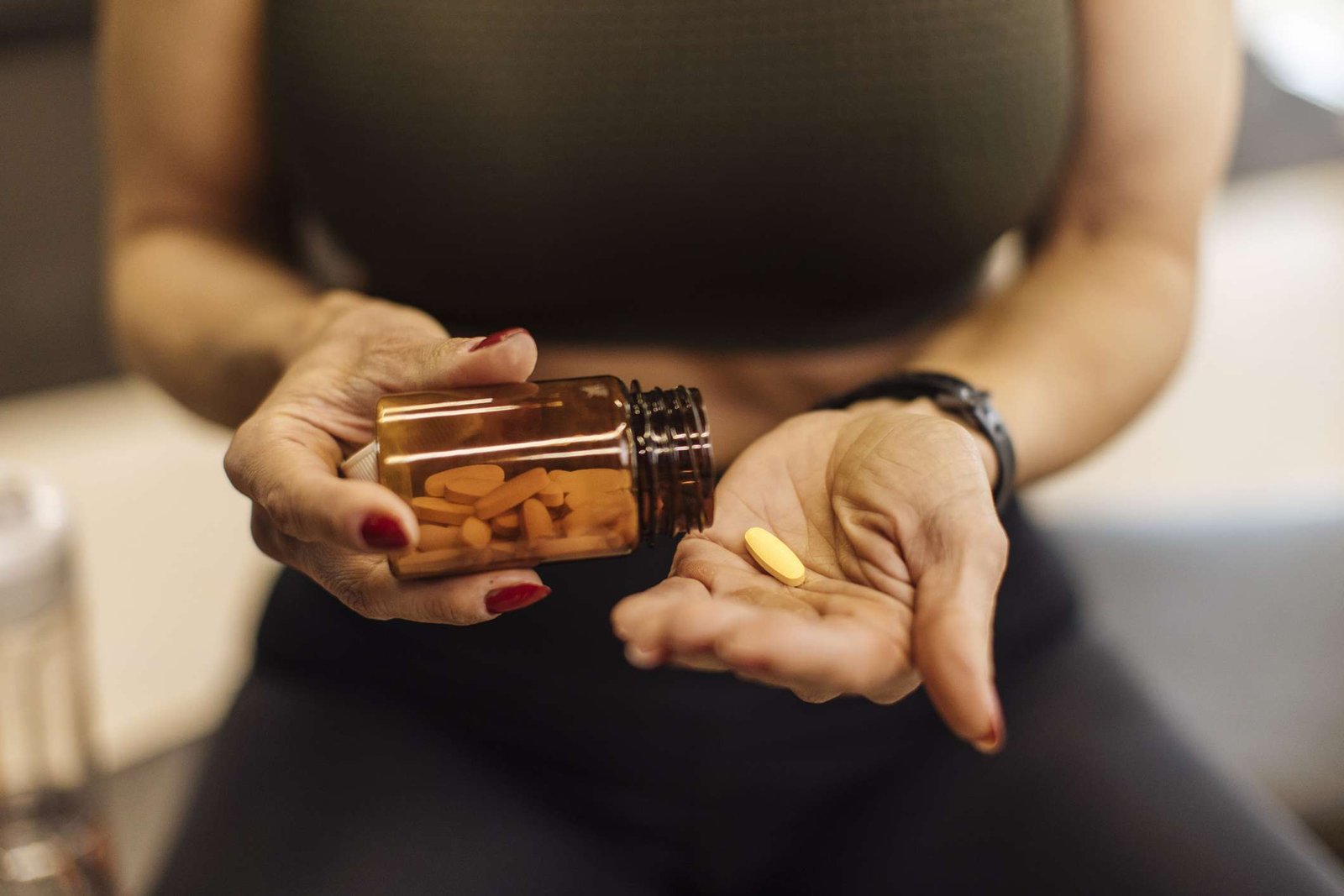
The best supplements for muscle recovery can help with the rebuilding of tissue after you exercise. Athletes often combine creatine, turmeric, or vitamin C with sleep and nutrition for optimal results.
karetoria / Getty Images
Creatine is often taken to improve physical performance, decrease inflammation, and increase energy. It may have anti-inflammatory and antioxidant properties.
Taking creatine after exercise may help limit muscle damage. Labs that indicate muscle damage, inflammation, and oxidative stress were lower in people who took creatine after a muscle-damaging exercise.
Creatine is naturally found in animal-based foods like beef, pork, and seafood. You can also take creatine as a supplement.
Creatine is typically dosed at 20 grams a day for up to seven days, followed by 3-5 grams a day for up to 12 weeks. Water retention is the most common side effect associated with creatine.
Luis Echeverri Urrea / Getty Images
Branched-chain amino acids (BCAAs) are essential amino acids that your body doesn’t naturally make. BCAAs play a role in oxidation, protein building, and metabolism.
BCAAs are believed to improve muscle damage, fatigue, soreness, energy, and overall workout performance.
Foods that naturally have BCAAs include dairy, meat products, nuts, and seeds.
BCAA supplements are considered safe in doses of up to 20 grams daily for up to six weeks. Some research recommends a daily BCAA dose of 2-10 grams at least three days before, right before, and after exercise.
Pakin Songmor / Getty Images
Omega-3 fatty acids are important in inflammation, heart health, and building cells. Many believe that omega-3 fatty acids can help lower muscle damage, oxidative stress, and inflammation after exercise.
More research is necessary to understand the benefits and optimal dosing. Adequate dosing levels for omega-3 are 1.6 grams in men and 1.1 grams in women.
Omega-3 fatty acids can be found in certain plant oils, chia seeds, and fish, or supplements.
PhotoAlto/Frederic Cirou / Getty Images
Magnesium is a necessary mineral in nearly all body processes, including energy production and nerve and muscle function. It plays a role in inflammation, energy production, muscle contraction, and protein synthesis.
Researchers believe magnesium supplements can help with muscle soreness, recovery, improve overall performance, and protect against muscle damage. Magnesium also plays a role in muscle energy and contraction, which can affect recovery.
Dietary sources of magnesium include seeds, beans, green leafy vegetables, nuts, seafood, and whole-grain breads and cereals. Magnesium supplements are available.
The recommended daily allowance (RDA) of magnesium in men ranges from 400-420 milligrams, and in women, from 310-320 milligrams. It’s recommended to take magnesium at least two hours before physical activity.
Robert Rusu / 500px / Getty Images
Tart cherry juice can help muscle recovery by lowering muscle pain, damage, and inflammation.
Tart cherries help to lower inflammation and oxidative stress. However, the extract works better for people with advanced physical training looking for fast recovery. Other researchers have found that tart cherries are useful if taken for several days before exercise.
Tart cherry is available in juice, concentrate, powder, and capsules. The dosage is not well defined but usually ranges from 240-480 milliliters.
Westend61 / Getty Images
Turmeric and its main ingredient, curcumin, are known for their anti-inflammatory and antioxidant benefits.
Research is conflicting on the benefits of turmeric and curcumin in muscle recovery. Some studies have found little benefit or no change. Others have reported increased inflammation after taking turmeric.
More well-designed studies are necessary to understand the impact turmeric may have on muscle recovery.
Dosing hasn’t been well established, but typically ranges from 1.5-5 grams daily. Turmeric is considered safe in doses of up to 8 grams a day.
Blanchi Costela / Getty Images
Vitamin D is naturally present in foods like fatty fish and dairy products and is directly obtained from sunlight. It may help with inflammation during exercise and physical training.
Researchers believe that consistently taking vitamin D before intense training or exercise may limit inflammation after exercise. More studies are needed to understand the role of vitamin D in muscle recovery.
Supplementing with Vitamin D for muscle recovery may be most useful for people who are low or deficient in vitamin D.
There are no official recommendations on the best vitamin D dose for muscle recovery. Daily requirements of 3,000-5,000 International Units (IUs), or 75-125 grams daily, are usually recommended.
When choosing the right supplement, factors to consider include:
- How often are you willing to take the supplement, for example, once a day, multiple times per day, just as needed
- The supplement form you are interested in taking
- The type of exercise or physical activity you are doing
- What type of benefits are you looking for, such as muscle recovery, soreness, energy
Dietary supplements are available in many forms, including capsules, tablets, liquids, powders, and bars. They can be taken alone or as a combination product.
Side effects for supplements vary based on the type of supplement and the dose you are taking.
For example, water retention and weight gain are side effects of creatine. Other common side effects include upset stomach, nausea, and vomiting.
Most supplements are considered safe as long as you do not take more than the recommended dosage.
Talk with a doctor about any muscle recovery supplements you may be interested in taking. They can help determine whether they’re safe with your medical history and if they interact with other medications or supplements.
