

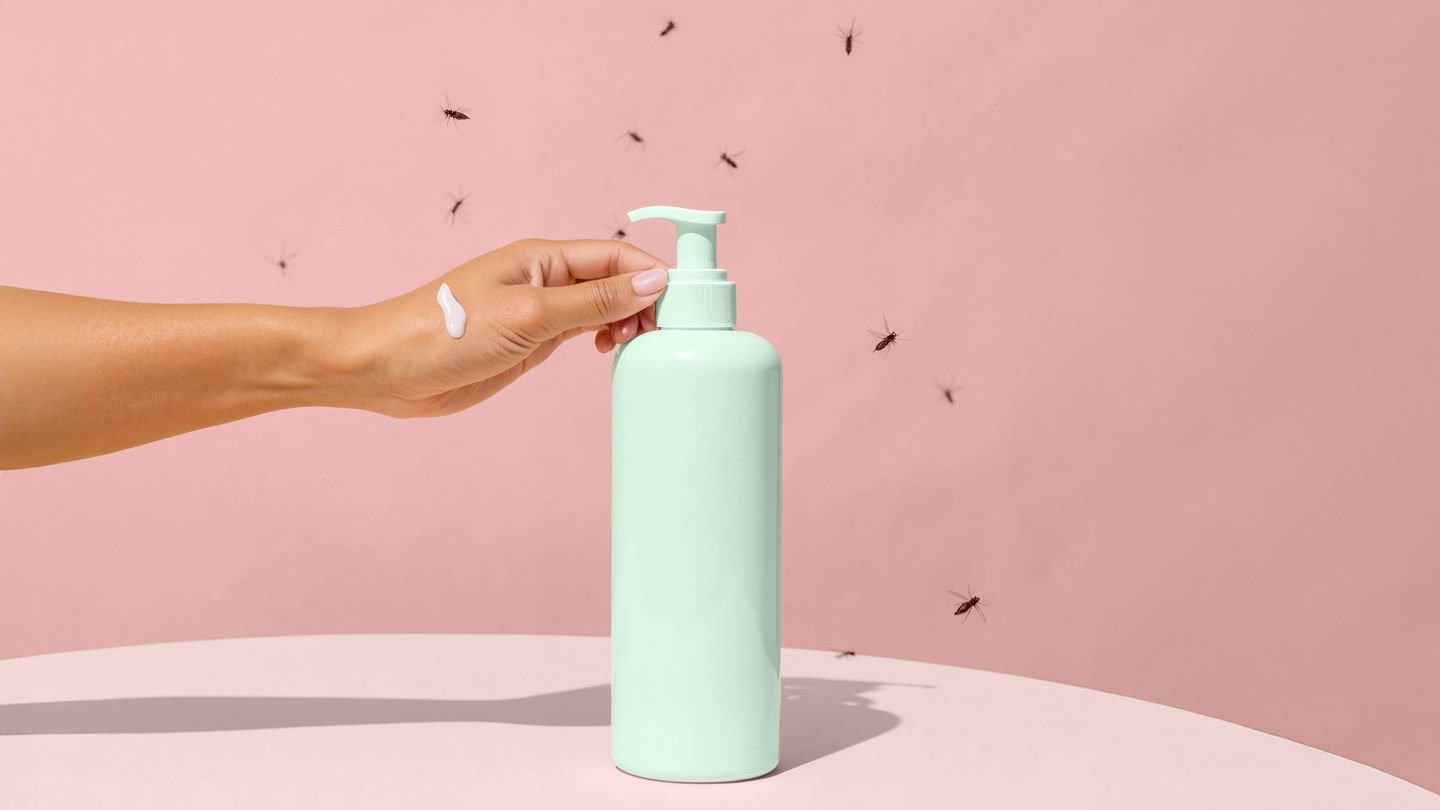
Warmer weather means reveling in outdoor activities like hiking, sunbathing, and barbecues. Along with these pluses, there’s one tiny nuisance: mosquitos. These pesky pests, which thrive in warm weather, can put a damper on anyone’s summer fun. But there are natural ways to deter mosquitos so you can enjoy the sunshine. When using natural insect repellents that are applied directly to the skin, it’s important to choose products that are registered by the Environmental Protection Agency (EPA), says Joseph Conlon, a retired U.S. Navy entomologist and technical adviser for the American Mosquito Control Association . If you have sensitive skin or known skin allergies, it’s a good idea to test your skin first by applying a small drop of essential oil on the inside of your forearm. Here are seven natural ways to prevent mosquito bites.
1. Lemon Eucalyptus The Centers for Disease Control and Prevention has classified lemon eucalyptus, an EPA-registered repellent, as an active ingredient in mosquito repellent. “It is a very good repellent,” says Conlon. “Just do not use it on kids younger than 3 years old — it hasn’t been approved for them.”e60dc2a1-f33c-4a05-9b50-8e3e8e597629342d8c0c-a82f-4c2b-96e6-8ccd24db7d75
2. Catnip Oil Many people are aware of catnip’s effect on cats, but they might not know that research has shown it can also be used to repel mosquitos. According to a study published in 2024, catnip essential oil, specifically its main active ingredients called nepetalactones, can effectively repel mosquitoes. In controlled laboratory tests, even relatively low concentrations of catnip oil significantly reduced the number of mosquitoes in areas treated with the oil compared with untreated areas, showing strong spatial repellency against mosquito species such as Aedes aegypti (the yellow fever mosquito).e60dc2a1-f33c-4a05-9b50-8e3e8e59762942342543-8c96-4adc-8bc6-40c2d8aedc93 This oil is approved by the EPA and will give you seven hours of protection from mosquitos, according to Conlon.e60dc2a1-f33c-4a05-9b50-8e3e8e59762965f1b52b-4e8d-4ff0-a554-f5d51a0bd801
3. Cinnamon Oil Research shows that cinnamon essential oil can be an effective mosquito repellent, largely because of its naturally occurring compounds like cinnamaldehyde, which interfere with mosquito behavior and deter bites. In a controlled lab study testing 20 plant-based oils against Aedes aegypti , a lotion with 10 percent cinnamon oil provided one of the longest complete protection times (over one hour) from mosquito bites, performing at a similar level to clove oil and outperforming many other natural oils.e60dc2a1-f33c-4a05-9b50-8e3e8e597629a7f9f336-7b1b-4fda-92e0-951f4dd950ad
4. Clove Oil Research suggests that clove oil is one of the more effective plant-based options for repelling mosquitoes. In laboratory tests, clove oil provided longer protection from mosquito bites than many other essential oils, helping keep mosquitoes from landing and feeding. Scientists believe that this effect comes from eugenol, clove oil’s main active compound, which appears to disrupt mosquitoes’ ability to detect and target humans. While clove oil isn’t as long-lasting as synthetic repellents like DEET, findings show that it can offer meaningful short-term protection as a natural alternative.e60dc2a1-f33c-4a05-9b50-8e3e8e5976294695863a-2f43-4f26-bf2e-a0ee0e2bc10f
5. IR3535 IR3535, a synthetic amino acid, is one of the most common active ingredients in insect repellents. Repellents containing IR3535 come mostly in cream form, and are available in most drugstores. The amino acid messes with the insects’ sense of smell and is an excellent repellent, according to Conlon. “It has no toxicity and gives you eight hours of protection,” he says.e60dc2a1-f33c-4a05-9b50-8e3e8e597629977a10ec-dae7-4f17-a1a6-207b81140396
6. Use Smoke Research suggests that smoke-based mosquito repellents, such as plant-based coils, incense, and fire pits, can help reduce mosquito activity by interfering with the sensory cues that mosquitoes use to locate humans. Studies have found that smoke from burning repellent plants or citronella-based products can lower mosquito density and biting activity in outdoor settings, likely by masking carbon dioxide and body odors or creating conditions that mosquitoes avoid. Evidence also shows that these methods work best in open or semioutdoor areas, and they may be more effective when combined with airflow, such as a breeze or fan, which further disrupts mosquitos’ flight and host-seeking behavior.e60dc2a1-f33c-4a05-9b50-8e3e8e59762959a883ef-c6a6-43ac-bd79-bd9fd7b3b61fe60dc2a1-f33c-4a05-9b50-8e3e8e5976291f364ba9-c268-4e2a-be6f-f76e3902aba3
7. Eliminate Standing Water Any pools or puddles around your home or yard can quickly become a mosquito breeding ground. Tips to keep the area around your home free from these insects include these practices: Unclogging roof gutters Emptying any kids’ pools Changing the water in any bird baths weekly Making sure rain is not accumulating in trash can lids Storing flower pots or any other unused containers upside downe60dc2a1-f33c-4a05-9b50-8e3e8e5976296a4cd645-fcdf-4fc0-bfba-5f9d8359fb00
The Takeaway Several natural methods can help repel mosquitoes by disrupting how they detect humans. Certain plant-based oils, smoke, and airflow interfere with mosquito sensory cues and flight. These approaches work best for short-term outdoor use and often need frequent reapplication or consistent airflow. For higher-risk settings, combining natural strategies or using EPA-approved repellents offers stronger protection.
Subscribe to Updates
Get the latest creative news from FooBar about art, design and business.

Related Posts
Add A Comment