

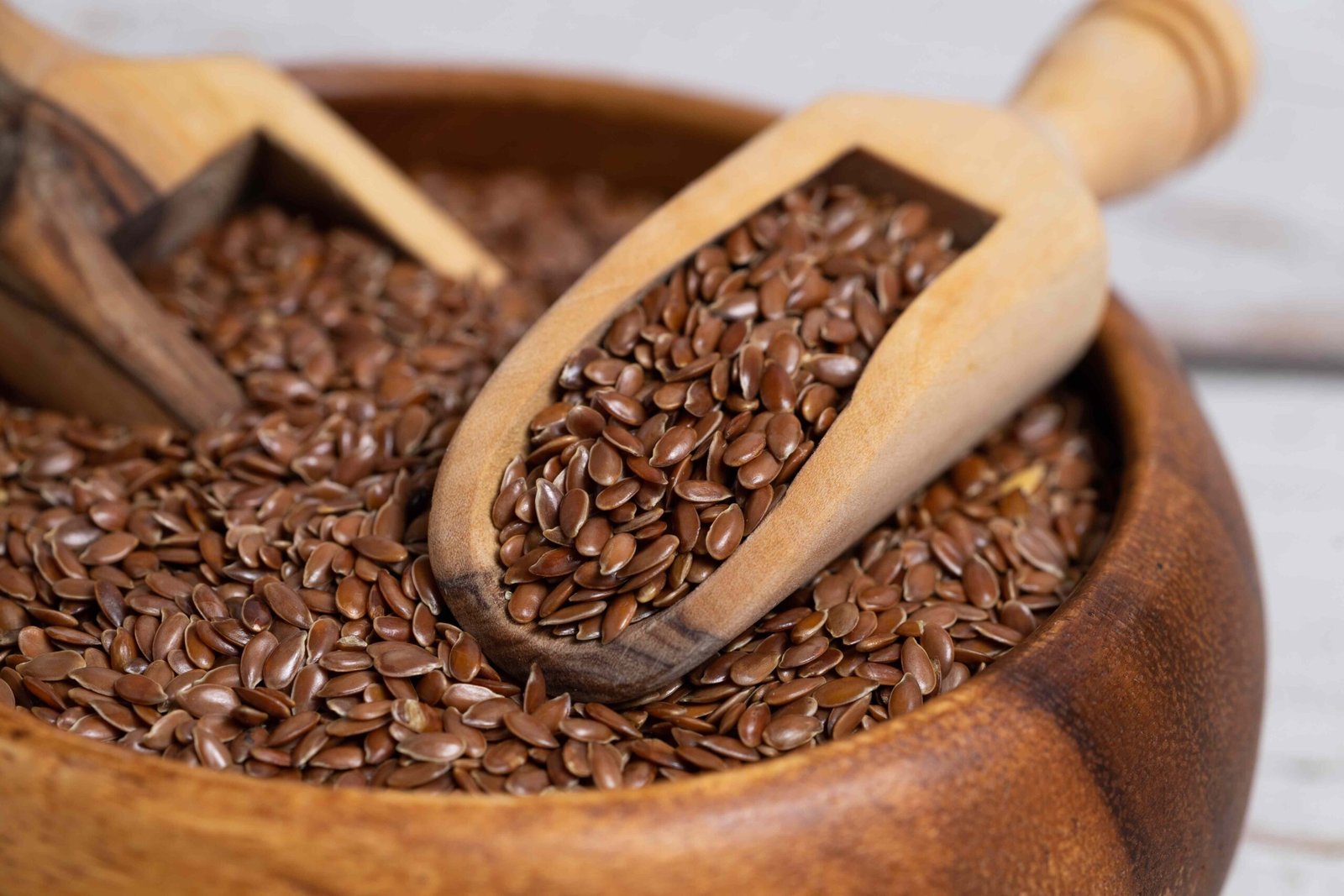
Flaxseeds are a top source of omega-3 fatty acids, providing about 2.35 grams in each tablespoon. However, there are other plant-based options that contain even more omega-3s per serving than flaxseeds. Plus, several types of seafood contain forms of omega-3s that are more easily absorbed by the body.
everydayplus / Getty Images
Omega-3s: 5 grams of ALA in a 1-ounce serving of dried chia seeds
A serving of chia seeds is a bit larger than a serving of flaxseeds. Still, chia seeds are considered a better source of alpha-linolenic acid (ALA), a type of omega-3.
In addition to their very high ALA content, chia seeds also provide nearly 10 grams of fiber per ounce. This covers 28-44% of a person’s daily fiber needs, depending on age and gender. Fiber supports gut health and slows digestion, which can help stabilize blood sugar levels and reduce cholesterol absorption.
Claudia Totir / Getty Images
Omega-3s: 1.24 grams of DHA and 0.59 grams of EPA in a 3-ounce serving of cooked, farm-raised salmon
Salmon provides both docosahexaenoic acid (DHA) and eicosapentaenoic acid (EPA), the two biologically active forms of omega-3 fatty acids that the body uses most efficiently.
Research has shown that regularly eating fatty fish, such as salmon, may lower your risk of heart disease.
Salmon also contains astaxanthin, an antioxidant that gives the fish its pink color. Some research suggests that astaxanthin may help reduce inflammation, which could lead to better heart and immune health, among other benefits.
JackF / Getty Images
Omega-3s: 0.47 grams of DHA and 0.44 grams of EPA in one can (3.75 ounces) of sardines
Sardines deliver meaningful amounts of easily-absorbed EPA and DHA omega-3s in a relatively small portion. They’re also a rich source of calcium, potassium, vitamin D, and magnesium—these minerals have anti-inflammatory properties and support bone and heart health.
Carlo A / Getty Images
Omega-3s: 0.59 grams of DHA and 0.43 grams of EPA in a 3-ounce serving of cooked mackerel
Whether it’s canned or cooked fresh, mackerel provides concentrated amounts of omega-3s in a relatively small serving.
Mackerel is also good choice if you’re looking to improve your heart health. Regular consumption of fatty fish, including mackerel, has been associated with a lower risk of death from cardiovascular disease in people who already have heart health concerns.
It’s worth noting that Atlantic and Pacific mackerel are lower in mercury, while king mackerel is higher in mercury and is best avoided.
iko636 / Getty Images
Omega-3s: 0.52 grams of DHA and 0.22 grams of EPA per 3-ounce serving of cooked, farm-raised trout
While slightly lower in omega-3s than salmon or mackerel, trout still delivers more bioavailable EPA and DHA than flaxseeds.
Eating trout and other fish rich in omega-3s may be able to reduce your risk of cardiovascular disease. Plus, trout contains 81% of the recommended daily value of vitamin D for adults—this is unusual, as vitamin D isn’t found in many foods. Adequate vitamin D intake plays a role in bone health, immune function, and inflammation regulation, adding to the benefits of the omega-3 content.
MirageC / Getty Images
Omega-3s: 2.57 grams of ALA in a 1-ounce serving of English walnuts
A standard serving size of walnuts contains slightly more ALA omega-3s than a normal serving of flaxseeds.
Beyond omega-3s, walnuts are also a good source of fiber and plant compounds called polyphenols. They’ve been linked to healthier levels of triglycerides (fats in the blood) and “bad” low-density lipoprotein (LDL) cholesterol, as well as better heart health overall.
Karisssa / Getty Images
Omega-3s: 2.6 grams of ALA in a 3-tablespoon serving of hulled hemp seeds
A typical serving of hulled hemp seeds contains just a bit more ALA than a standard serving of flaxseeds.
Per serving, hemp seeds also boast 9.5 grams of complete protein, meaning hemp seeds contain all nine essential amino acids the body needs. They’re also rich in micronutrients like iron, zinc, phosphorus, and magnesium, which support bone health, cell growth, immune function, and more.
Some research suggests that hemp seeds could support heart health and lower chronic disease risk because they have a balanced ratio of omega-3s and omega-6s, another type of fatty acid. However, more studies in humans are needed to confirm this.
For adults, the minimum daily intake of ALA omega-3s should be at least 1.6 grams for men and 1.1 grams for women.
To ensure you’re getting enough omega-3s in your diet, it’s best to balance your consumption— consume fatty fish a few times a week, and regularly reaching for plant-based options. Plant sources like flaxseed, chia seeds, walnuts, and hemp seeds provide ALA, while fatty fish supply EPA and DHA directly.
If you’re still concerned that you’re not getting enough omega-3s in your diet, talk to your healthcare provider about possibly taking a supplement. For example, cod liver oil contains 0.31 grams of EPA and 0.5 grams of DHA per teaspoon, along with vitamins A and D.
