

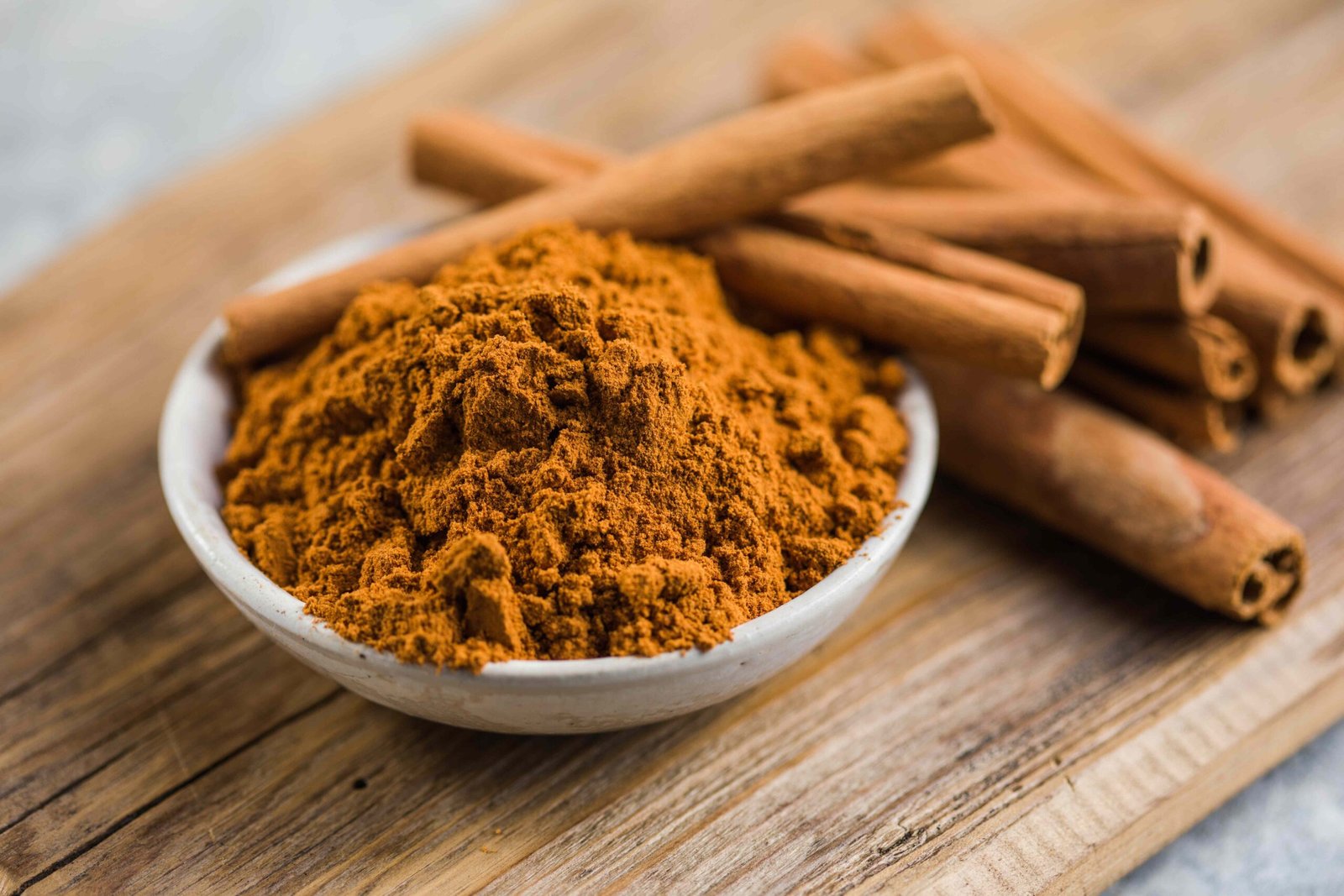
Cinnamon is a popular spice used in cooking and baking, however, researchers are investigating whether it might have medicinal uses, too. Existing studies are limited (and have been mostly done in animals or laboratory settings), but there’s some evidence that cinnamon may help in treating or preventing multiple different diseases.
Cinnamon supplements may help decrease total cholesterol levels, as well as concentrations of triglycerides, or fats in the body, according to an analysis from 2017. Another study found that people could see these benefits with just 1.5 grams, or around a three-fourths teaspoon, of cinnamon daily.
Importantly, cinnamon supplements don’t seem to be very effective in raising high-density lipoprotein (HDL) cholesterol, also known as the “good” kind of cholesterol. The 2017 study also found cinnamon had no effect on HDL cholesterol or “bad” low-density lipoprotein (LDL) cholesterol.
But lowering total cholesterol and triglyceride levels is associated with a lower risk of heart disease.
One of the most well-researched uses of dietary cinnamon applies to type 2 diabetes—cinnamon could help lower insulin resistance, a condition which can lead to high blood sugar levels and diabetes.
Specifically, a 2020 study done in people with prediabetes found that taking 1.5 grams of cinnamon daily for 12 weeks was linked to lower fasting plasma glucose (how much sugar is in your blood after eight hours without eating or drinking). Participants also showed improved glucose tolerance, or the body’s ability to move sugar out of the blood stream.
Other research found that people with obesity and prediabetes saw lower blood sugar concentrations and less severe blood sugar spikes when they took 4 grams of cinnamon per day for a month.
However, more research is needed—the link between cinnamon and diabetes is still considered unclear.
Cinnamon is thought to have pain-relieving and anti-inflammatory benefits, making it a potential treatment for symptoms of arthritis, especially rheumatoid arthritis (RA).
There isn’t a lot of research, but a few small studies have found a link between cinnamon supplementation and improvement in RA symptoms, which can include fatigue, joint pain and aches, and numbness or tingling.
A study of 36 women with RA had less joint tenderness and swelling after eight weeks of taking 2,000 milligrams of cinnamon daily. What’s more, blood tests showed a decrease in inflammatory markers after supplementation, suggesting that cinnamon may be able to help people manage chronic inflammatory conditions.
Some research shows that cinnamon oil may have an antimicrobial effect, meaning it can kill organisms like bacteria, viruses, and fungi. This could be useful in many ways, but one of the more researched applications is in protecting oral health.
A 2020 review of studies suggests that cinnamon may be able to:
- Prevent cavities by reducing the amount of Streptococcus mutans (a common cavity-causing bacteria) in the mouth
- Decrease the risk of bacterial infection after a root canal
- Reduce bacteria that can build up and cause gum inflammation called gingivitis
- Protect against oral thrush, or an overgrowth of Candida yeast in the mouth
In most of these studies, toothpastes, mouthwashes, and other dental products containing cinnamon oil were used to evaluate the benefits of cinnamon on oral health.
Adding more cinnamon to your diet may help protect cognitive function, potentially warding off neurodegenerative conditions such as Alzheimer’s disease.
Several rodent and laboratory studies have linked cinnamon supplements to better memory and learning, which could be due to its antioxidant, anti-inflammatory, and anti-anxiety properties.
However, more research is needed to see if cinnamon would have these same effects in humans and, if so, how much cinnamon per day would lead to cognitive benefits.
Lowering your blood pressure is another way to improve heart health—and cinnamon supplements may be able to help.
One study found that adults at risk for high blood pressure had lower systolic blood pressure (the top number in a reading) after they supplemented with 1.5 grams of cinnamon for 90 days. Another review found participants had lower systolic blood pressure and diastolic blood pressure (the bottom number in a reading) after taking at least 2 grams of cinnamon daily for at least eight weeks.
In addition to reducing your risk for heart disease, heart attack, and stroke, lowering your blood pressure makes you less likely to develop kidney disease, vision loss, and sexual dysfunction.
Uterine cramping and bleeding is a normal part of menstruation, but some people have unusually painful periods or excessive bleeding. Supplemental cinnamon may help with both symptoms.
Studies have found that supplemental cinnamon was more effective than a placebo in treating painful cramping. Meanwhile, another 2015 study linked cinnamon to less bleeding in the first 72 hours of menstruation.
When you’re purchasing cinnamon, there are a few different varieties you might run into:
- Cassia cinnamon: This is the kind of cinnamon sold in most grocery stores. But Cassia cinnamon also contains a compound called coumarin, which can cause liver damage if it’s consumed in large amounts.
- Ceylon cinnamon: It’s typically used in studies, so there’s more research on its health benefits. It’s safer to use in larger quantities as it contains only trace amounts of coumarin, however, it’s usually more expensive and harder to find.
It’s important to note that, for now, cinnamon is not considered a treatment for any condition. Even for studies done in humans, there’s inconsistency in cinnamon types or plant parts being used to find these results.
But small amounts of cinnamon can be safely incorporated into many different kinds of foods and drinks, such as oatmeal, coffee or tea, smoothies, soups, or baked goods. Supplements containing cinnamon are also available, but in large amounts, cinnamon can sometimes cause gastrointestinal symptoms or other side effects. Talk to a doctor before starting any new supplements.
