

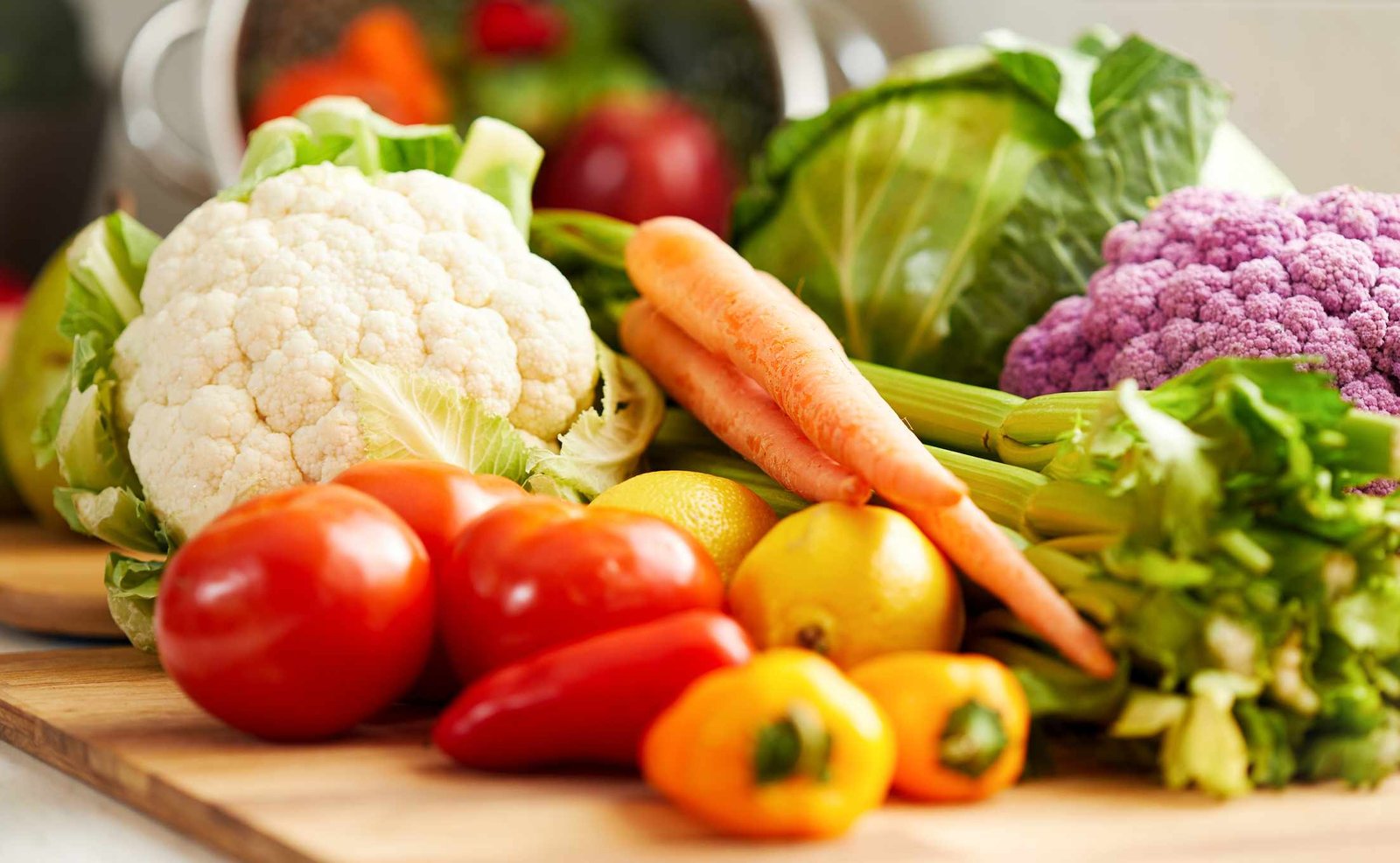
Raw vegetables offer important nutrients. However, some vegetables are more difficult for your body to digest and may trigger bloating, gas, or stomach discomfort in some people. Raw vegetables that commonly cause bloating include broccoli, cauliflower, and Brussels sprouts.
Broccoli contains fiber and sugars that may be difficult to digest, leading to bloat.
Amarita / Getty Images
Broccoli is a cruciferous vegetable rich in vitamins A, C, K, and B6, along with antioxidants. But eating broccoli raw may make you feel gassy. That’s because broccoli is high in fiber and contains raffinose, a sugar the body can’t fully digest in the small intestine. When raffinose reaches the large intestine, gut bacteria break it down, producing gas that can cause bloating.
Cauliflower contains fiber and sulfur compounds, which may contribute to odorous gas.
mescioglu / Getty Images
Cauliflower is another cruciferous vegetable that may cause bloating when eaten raw. Like broccoli, it’s high in fiber and contains raffinose, both of which can be difficult to digest.
Cauliflower also contains sulfur compounds, which can contribute to gas with a stronger odor. When these compounds reach the large intestine, gut bacteria break them down. This produces gas that may cause bloating and abdominal discomfort, especially when eaten in large portions.
Cabbage contains sugars and sulfur compounds that can increase gas.
Liudmyla Chuhunova / Getty Images
Raw cabbage contains the complex sugar raffinose and sulfur-containing compounds that can increase gas during digestion. It’s also high in fiber, providing about 2.2 grams per cup when chopped.
If you’re not used to eating a high-fiber diet, adding in raw cabbage gradually may reduce discomfort.
Brussels sprouts are high in fiber, which may cause digestive issues like bloat.
id-art / Getty Images
Brussels sprouts are high in fiber and belong to the same vegetable family as broccoli and cauliflower. When eaten raw or lightly cooked, they may be harder to digest and can lead to gas buildup and bloating.
If Brussels sprouts cause discomfort, try boiling them briefly before roasting. Cooking helps break down some of the fiber, which may make the Brussels sprouts easier to digest.
Onions and garlic contain fructans, a carb some people have difficulty digesting.
Marko Jan / Getty Images
Garlic and onions can cause gas and bloating because they contain fructans, a type of carbohydrate that’s difficult to digest—especially for people with irritable bowel syndrome (IBS).
Fructans dissolve in water, so removing onion or garlic from soups or sauces may not prevent symptoms. However, fructans do not dissolve in oil. Cooking garlic or onion in oil and removing it before eating may help add flavor with less discomfort.
Bell peppers are rich in fiber, which may cause digestive issues for some people.
debbiehelbing / Getty Images
Bell peppers are a good source of vitamins and antioxidants, including vitamin C and carotenoids, which support eye health and help reduce inflammation.
However, their tough outer skin and insoluble fiber can be harder to digest. While bell peppers are generally well tolerated, some people may notice bloating or stomach discomfort after eating them raw.
Also, bell peppers are part of the nightshade vegetable family. Limited research suggests some people with digestive conditions, such as IBS, may be more sensitive to certain nightshades.
A few small changes may help reduce bloating from raw vegetables. If you notice discomfort, consider the following tips:
- Cook vegetables lightly: Cooking helps break down fiber and complex carbohydrates, which may reduce gas.
- Keep portions small: Large servings can increase gas, especially if you’re not used to a high-fiber diet.
- Chew well: Chewing food fully helps reduce bloating.
- Use natural digestion aids: Ginger or peppermint may help ease gas for some people.
- Drink plenty of water: Staying hydrated helps food move through your digestive system.
- Avoid fizzy drinks: Pairing carbonated drinks with raw vegetables may worsen gas. Avoid fizzy drinks like sodas and sparkling water.
- Pay attention to triggers: Keeping a food diary can help identify which vegetables cause symptoms.
If you’re still experiencing issues, especially with cruciferous vegetables, digestive enzymes may help break down raffinose. Talk to your healthcare provider to see if they’re right for you.
