

- Nonstick pans are convenient and affordable, but they aren’t suited for every cooking task.
- Avoid using nonstick pans for sauces, high-heat cooking or for storing food, as this can reduce their effectiveness.
- To preserve the nonstick coating, always wash the pan by hand, avoid using metal utensils and store it properly.
Nonstick pans are kitchen staples for good reason. Their nonstick coating makes them easy to clean and is perfect for delicate foods—like eggs and pancakes—that can easily stick to a traditional pan. They’re also generally more affordable than other pans, making them a favorite for both beginner home cooks and seasoned chefs.
While convenient, nonstick pans do have some drawbacks. Some nonstick coatings may contain “forever chemicals” like PFAS, though research suggests only minimal amounts transfer into food when used properly. Nonstick pans also tend to be less durable and don’t last as long as other cookware, making many question their overall value.
To get the most from your nonstick cookware, we spoke with Food Network star Chef Joe Sasto and Michael Handal, a chef at the Institute of Culinary Education, about what not to do with nonstick pans and how to care for them properly. Here’s what you should avoid.
1. Making Sauce
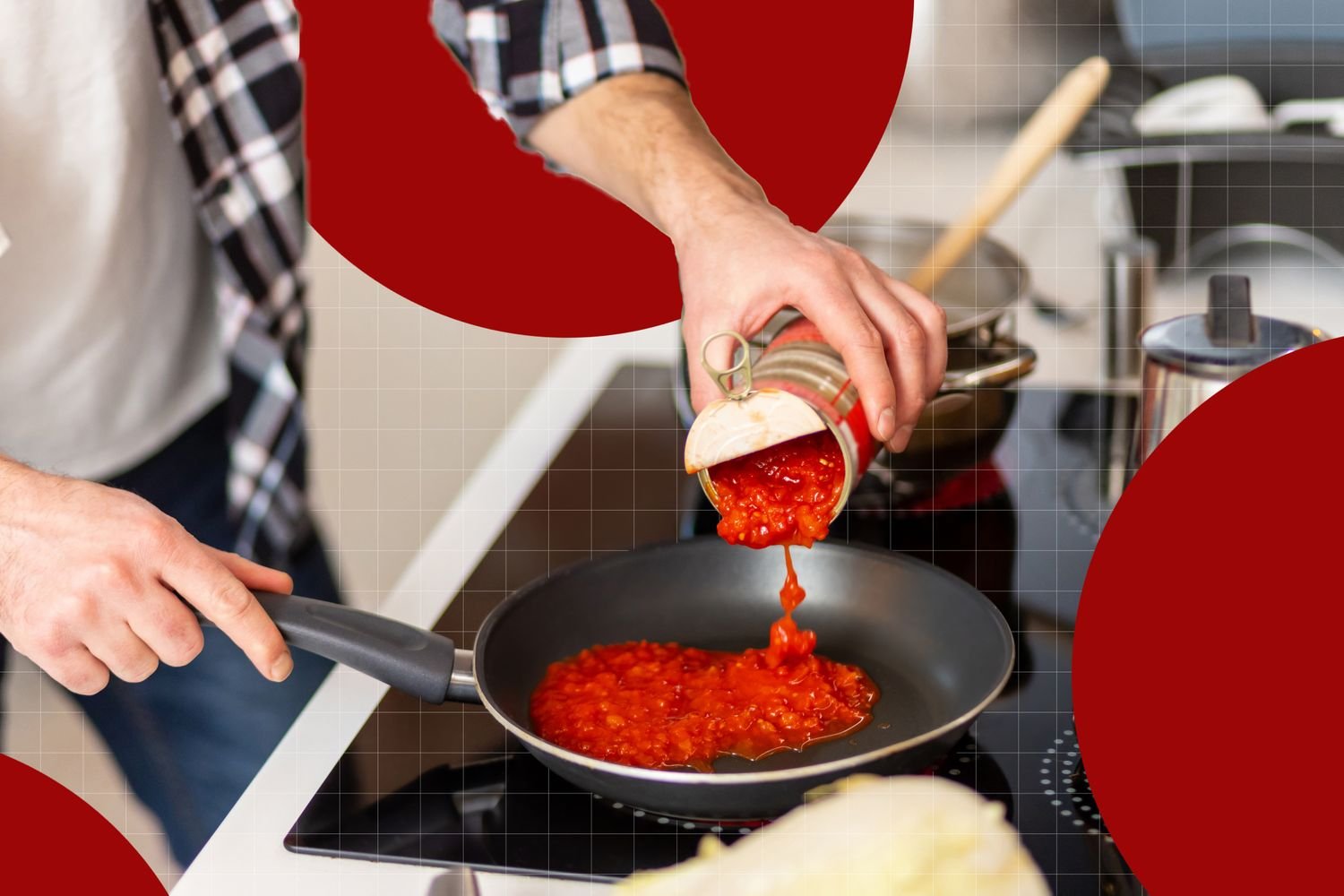
There’s something special about making your own sauce—but don’t use your nonstick pan for your grandma’s famous pasta sauce. “If you want to make a proper sauce, nonstick just isn’t the move,” says Sasto. Nonstick pans don’t distribute heat evenly, which prevents deep flavor development. “You need fond—those caramelized, browned bits stuck to the pan after searing. Nonstick won’t give you any of that.” Deglazing, a key step in sauce-making, is also compromised in nonstick cookware. Plus, simmering sauces for a long time can increase the risk of forever chemicals leaching into your food. “I love a good tomato braise or a red wine reduction, but you don’t want to simmer that in nonstick,” he adds.
2. Cooking with High-Acid Foods
Cooking with high-acid foods—like tomatoes, red wine or citrus—isn’t ideal for nonstick pans. “Longer-cooking recipes with a high acid content, such as a tomato-based sauce or beef bourguignon, with a substantial amount of red wine, should not be cooked in nonstick cookware,” says Handal. Sasto adds, “acid is tough on the coating over time and can start to break it down.” To extend the life of your nonstick cookware, skip the acidic recipes and use a Dutch oven or stainless-steel pot instead.
3. High-Heat Cooking
Nonstick pans aren’t designed for high-heat cooking, which is anything over 480°F. “Prolonged cooking sessions at high heat will eventually cause the coating to peel or chip. This not only may allow nonstick coatings to adhere to the food being consumed but will also cause the cookware itself to become less effective,” says Handal. For high-heat cooking, Sasto recommends switching to stainless-steel pans.
4. Broiling
If a nonstick pan can’t handle the heat on the stove, it definitely doesn’t belong under a broiler. “[It’s] a fast way to destroy your pan”, says Sasto. “Broilers are pure, direct heat from above, and most nonstick coatings can’t handle it.” The result? “You’ll end up with a warped pan and a coating that looks like it survived a wildfire,” he adds. Instead try using cast iron or a stainless-steel tray for broiling.
5. Storing Food
While it may be tempting to store leftovers in the same pan you cooked with, keeping food in a nonstick pan isn’t a good idea. The acidity in many foods can degrade the nonstick coating over time and may even increase the risk of forever chemicals leaching into your food.
6. Cooking with Nonstick Cooking Spray
Nonstick cooking spray may seem harmless, but it can actually damage your nonstick pan. Nonstick sprays often contain emulsifiers like lecithin that leave behind a sticky residue, making it harder to clean and less effective over time.
Tips for Using and Maintaining a Nonstick Pan
Your relationship with your nonstick pan isn’t meant to be forever. Over time, the nonstick coating starts to wear off, and once the inside starts to peel, that’s a clear sign it’s time to move on. There’s no way to “fix” a nonstick pan—when the coating goes, the pan has to go too. So to get the most use out of your nonstick pan and help it last as long as possible, our chefs gave some expert tips.
- Don’t use metal utensils. Sasto puts it bluntly: “This one’s simple. If you go at your nonstick with a metal spatula or whisk, it’s game over. You’ll scratch up the surface, and once that happens, the pan will never perform the same way again.” Instead, “keep a couple of wooden spoons or silicone spatulas handy—they’ll treat your pan the way it deserves.” In other words, gently.
- Always handwash. Because nonstick pans are delicate, the dishwasher isn’t their friend. The tines on the top rack of a dishwasher—or even other dishes—could scratch the pan. Plus, harsh detergents might speed up the wear and tear. Instead, always handwash nonstick pans in warm water and with a soft sponge. It’s also wise to allow your pan to cool down naturally, rather than submerging a hot pan in cold water. Cold water can shock the pan and warp it, making the coating degrade faster.
- Store properly. When storing your nonstick pans, avoid stacking them, as this can damage the nonstick coating. To protect your nonstick pan, use a pan stacker, invest in a pot hanger or wrap the pan in a dishtowel before storing.
The Bottom Line
While nonstick pans are a great choice for some dishes, they’re not all-purpose. Avoid using them at high temperatures, with acidic ingredients or for recipes that need to cook for a long time, which can damage the pan and increase exposure to harmful chemicals. “Save it for eggs, pancakes and other delicate dishes, but when it’s time to bring the heat or build flavor, reach for a different pan,” says Sasto.
To get the most out of your nonstick pan, proper care and maintenance is essential, including correct storage and cleaning practices. Remember, these pans don’t last forever and should be replaced when they show signs of wear. Sasto sums it up: “The short version? Respect your nonstick, and it’ll respect you back.”
