

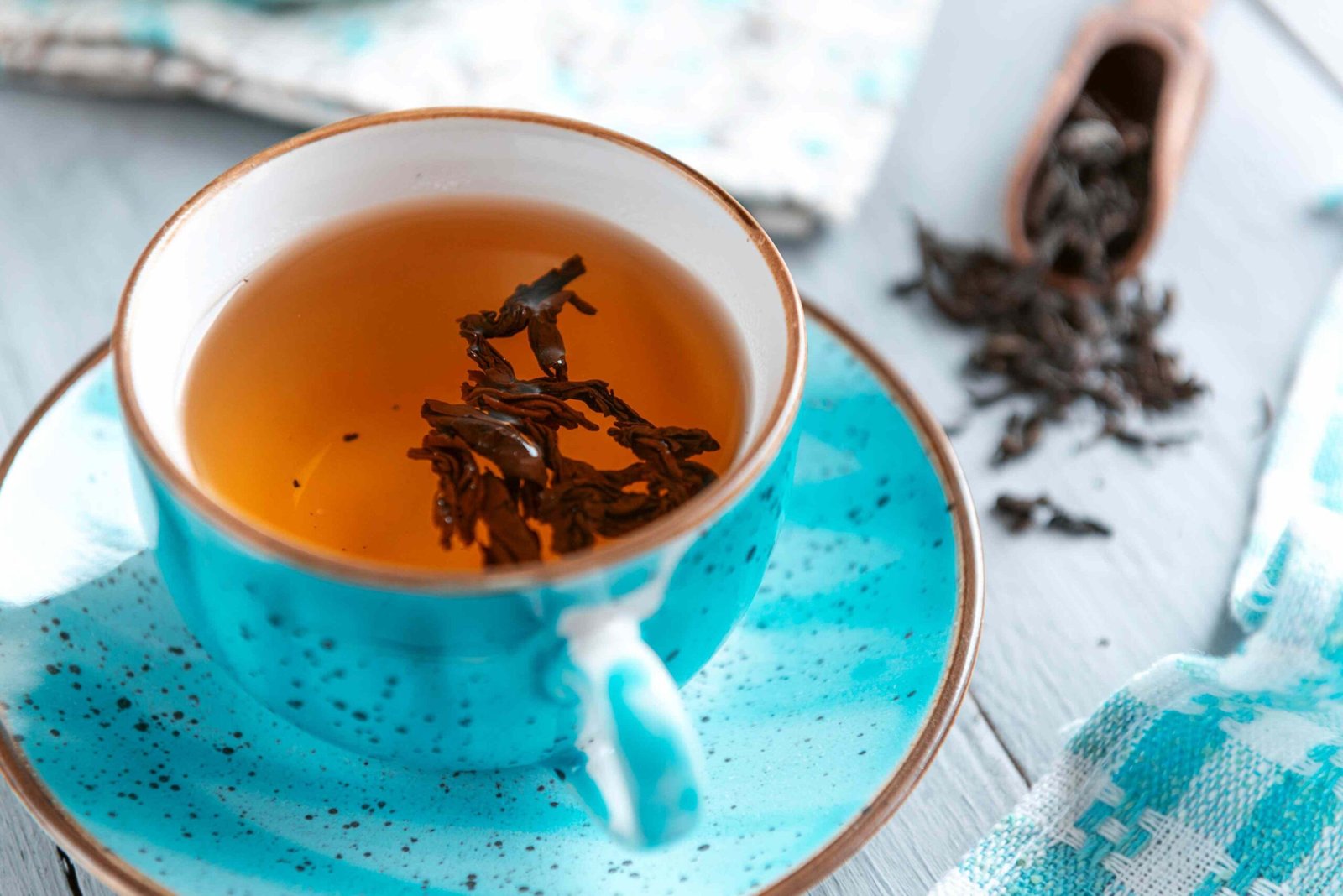
Regular tea drinkers tend to live longer and have a lower risk of heart disease than their non-tea-drinking counterparts. However, adding common ingredients may prevent your body from reaping all the benefits these compounds offer.
The health benefits of drinking tea likely stem from its polyphenols and flavonoids. Cream or milk can reduce the polyphenol content of your tea. Consequently, some health experts recommend serving your tea plain or limiting what you do add.
While adding dairy can give your tea a creamy texture, you do not want to hinder the health benefits in the process, so if you can, save the cream and milk for another time. If you really cannot drink tea without dairy, some tea experts recommend adding hot milk to tea at the end and not brewing it for long.
While adding sugar can sweeten your tea and make it more palatable, it can also reduce its polyphenol content. To maintain the integrity of your tea and keep its polyphenols intact, alter its flavor with a warm spice like cinnamon instead.
While essential oils often come from plants, you should not assume they are natural or safe to ingest. There is not enough evidence to show that essential oils are safe to consume, even when they are marketed for oral use.
Essential oils are much more potent than adding a leaf of the plant to a food or beverage. For example, adding a bit of fresh mint is not the same as adding a drop of peppermint essential oil to your tea. One drop of peppermint essential oil is equivalent to about 26 cups of peppermint tea and could cause serious issues if consumed.
Leaving water in your tea kettle and boiling it again won’t do your tea any favors. According to tea experts, you want to use oxygen-rich water in order to get the best flavor from your tea. If your water has been sitting for a while or if it has been boiled more than once, it will cause your tea to taste flat.
You also want to ensure your water isn’t too hot. This can burn the compounds in your tea. Likewise, if your water is not hot enough, the flavor compounds will not release into the tea as they should.
Most tea experts recommend using loose tea leaves rather than tea bags. This approach produces a richer, more intense tea flavor and may be healthier for you.
One study found that drinking tea that was made with plastic-containing tea bags could expose you to billions of micro- and nanoplastics. Even though tea bags look plastic-free, many contain microplastics that, when exposed to hot water, get released into the tea, putting your health at risk.
The World Health Organization (WHO) says that long-term use of artificial sweeteners like aspartame may increase your risk of diabetes, heart disease, and death. The International Agency for Research on Cancer (IARC) said that artificial sweeteners, particularly aspartame, are possibly carcinogenic.
For this reason, you should limit your overall consumption and avoid adding it to tea.
Just because some ingredients are not well-suited as a tea add-in does not mean you have to drink your tea straight. Some add-ins complement your tea and offer some health benefits. Here are some popular add-ins that can enhance the flavor of your tea:
