

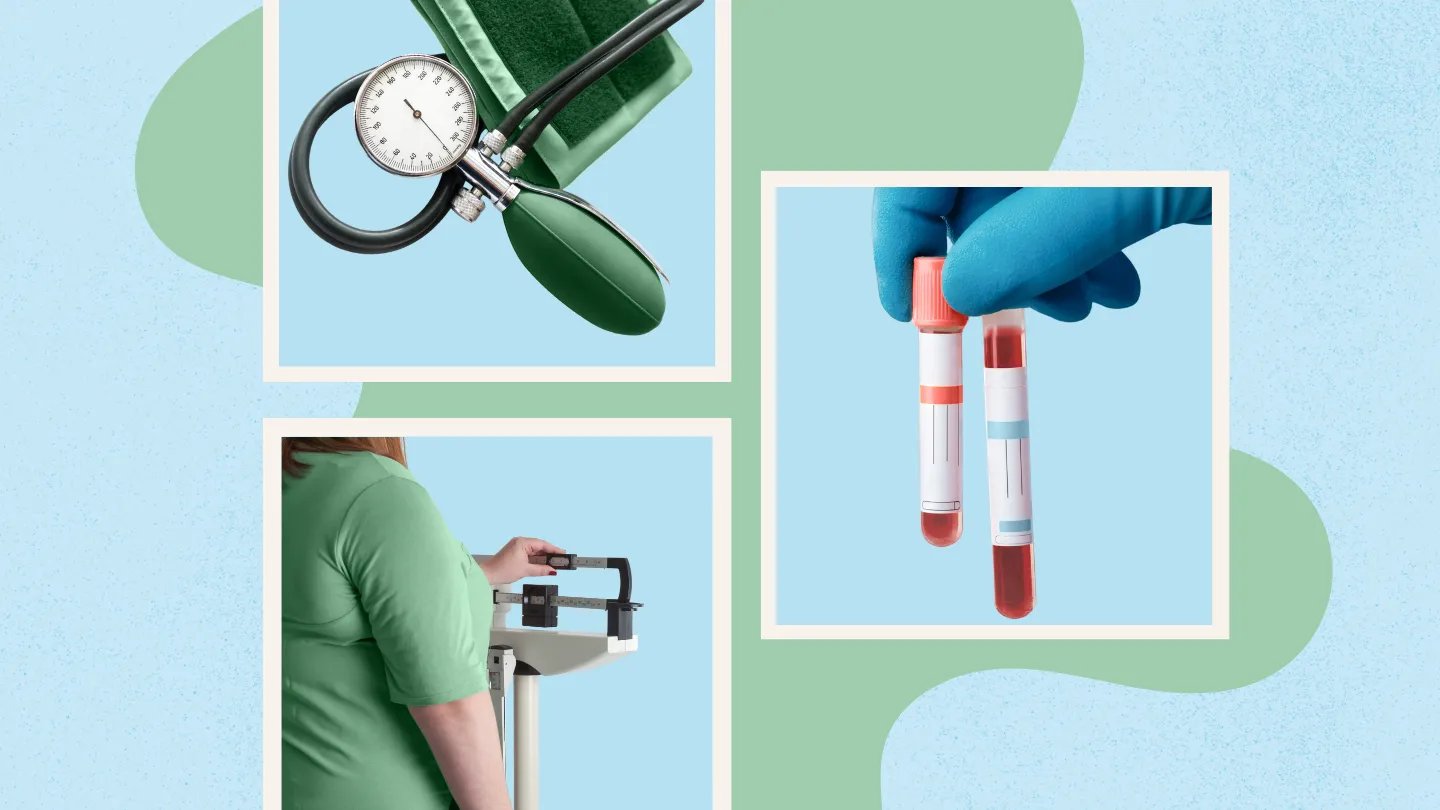
Type 2 diabetes and heart disease are so intimately related that some researchers believe that they are actually the same illness.
[1]
And while most diabetes treatment advice focuses on achieving safe blood sugar levels, it’s also imperative for people with the condition to pay close attention to their heart health risk factors.While some risk factors for heart disease can’t be changed, such as your family history, sex, and age, others can be modified with the right combination of medication and lifestyle shifts.
[2]
1. High A1C
If you have diabetes, you’ve probably already been told that lowering your A1C is one of your top health goals. A1C is a measure of your average blood sugar levels over the last three months, and it’s the gold standard for evaluating the success of your diabetes treatment.
[3]
A high A1C is strongly associated with diabetes complications such as kidney, nerve, and eye damage, but the risk of a high A1C also includes poor cardiovascular health. Excess sugar in the blood slowly damages blood vessels and nerves, leaving your heart more vulnerable to high blood pressure, heart attack, and heart failure.
[4]
Glucose variability, big swings up or down in your blood sugar levels, can also contribute to heart problems over time, says Cara Schrager, RD, CDCES, a diabetes educator in Natick, Massachusetts.
[5]
How to Lower Your A1C
If you have diabetes, your A1C target is usually less than 7 percent.
[3]
Managing your blood sugar effectively requires a well-rounded approach, including both the right medication and the right diet and exercise choices. Eat a diet that prioritizes whole foods like fruits, vegetables, whole grains, and legumes, and limits ultra-processed foods. Maintaining a regular exercise routine, managing your weight, and avoiding smoking are also essential.
[6]
If you have access to a continuous glucose monitor, use this wearable tool — even temporarily — to see how your blood sugar responds to the foods and meals you’re eating, says Schrager. With that information in hand, you can make adjustments to the foods or combinations of foods you eat to promote a better-balanced blood sugar response.
2. Kidney Damage
One of the long-term health complications of diabetes is damage to the circulatory system, including the tiny blood vessels in the kidneys, negatively impacting their ability to filter waste, says Melissa Joy Dobbins, RDN, CDCES, a Chicago-area diabetes educator.
Unfortunately, kidney damage is a common problem: One in three adults with diabetes has chronic kidney disease (CKD).
[7]
CKD is a progressive condition in which kidney damage causes the organs to struggle to remove waste from the body, make red blood cells, and help maintain blood pressure, among other functions.
[8]
Kidney problems lead directly to heart health problems: About half of people with advanced kidney disease will actually die of cardiovascular disease.
[1]
Preventing Kidney Damage
3. High Blood Pressure
Hypertension, or high blood pressure, is considered an especially sneaky threat to heart health since it doesn’t typically present with symptoms.
[10]
High blood pressure is dangerous because it damages blood vessel walls over time, which may also encourage plaque formation and lead to atherosclerosis.
[11]
Hypertension is extremely common in people with type 2 diabetes. When diabetes leads to scarring in the kidneys and stiffening blood vessels, blood pressure inevitably rises.
[12]
Controlling Your Blood Pressure
“Managing your blood pressure is done through diet, exercise, weight management, and medication,” says Dobbins.
One of the most meaningful diet changes you can make is limiting your excess sodium intake, she says. The recommended daily limit for sodium in adults is 2,300 milligrams (mg), but further restricting your consumption to no more than 1,500 mg daily can have an even more significant impact on your blood pressure.
[11]
Meanwhile, potassium, an essential mineral abundant in fruits and vegetables, can help counterbalance sodium. “Sometimes the problem is not getting enough potassium,” says Dobbins. “That’s one reason why we recommend eating fruits and vegetables.”
Exercise is another major lifestyle factor that can help lower blood pressure. Physical activity strengthens the heart, thereby reducing the force of blood against blood vessels.
[13]
“Start small with a 10-minute walk daily,” says Schrager.
4. Smoking
Both smoking and secondhand smoke are known causes of cardiovascular disease.
[14]
Smoking is responsible for 1 in 4 deaths from heart disease, as it raises levels of triglycerides in the blood, increases the likelihood of blood clots, damages blood vessels, and encourages plaque accumulation. And because smoking provokes insulin resistance, it has a way of amplifying the negative effects that diabetes already has on the cardiovascular system.
[15]
The Benefits of Quitting
Smoking less is always a benefit to your health, but the ultimate goal for heart health is to quit smoking altogether.
Smoking cessation reduces heart health risks immediately and continues to do so over the next two decades.
[16]
After 20 years of not smoking, your risk is almost the same as that of a person who never smoked at all.
5. High Cholesterol
Cholesterol is a waxy, fat-like substance found naturally in the body, and you do need some for good health. But elevated levels of cholesterol in the blood — especially LDL cholesterol, which is sometimes known as “bad” cholesterol — can cause buildup inside the arteries, making them stiff and narrow, hindering healthy blood flow.
[17]
At the same time, low “good” HDL cholesterol levels are also problematic, as HDL does the job of ferrying bad cholesterol out of the blood and back to the liver where it can be eliminated from the body.
[17]
Just like diabetes, high cholesterol is ultimately driven by insulin resistance and metabolic dysfunction. Though these connections mean that it is more likely for people with diabetes to have dysregulated cholesterol, it also means that the same healthy changes can benefit both conditions simultaneously.
[18]
Improving Your Cholesterol
Many healthy habits can help improve your cholesterol numbers. Schrager recommends focusing on eating high-fiber foods. “Fiber helps lower [“bad’] LDL cholesterol by binding to cholesterol and carrying it out of the body,” she says.
To increase the amount of fiber in your diet, Schrager suggests:
- Add fresh or frozen fruits or vegetables to each meal.
- Choose whole grains like brown rice, quinoa, or farro over refined grains like white rice and pastas.
- Integrate beans and lentils into soups, stews, salads, and more.
- Sprinkle seeds like chia, ground flax, or hemp onto oatmeal or yogurt.
6. Excess Weight
Obesity is detrimental to heart health in several ways. Obesity can promote insulin resistance and inflammation, both of which encourage atherosclerosis development. Excess visceral fat, the type of abdominal fat that lines your organs, also exacerbates blood vessel inflammation, further contributing to plaque buildup. It damages small blood vessels as well, further impairing blood flow and contributing to heart disease.
[19]
In short, excess fat is a risk for both heart health and diabetes progression.
The Many Benefits of Weight Loss
“Losing weight creates a cascade effect, making blood sugar easier to manage and reducing blood pressure,” says Dobbins. What’s more, weight loss can make it easier to exercise, which can help you feel better and get better sleep, says Schrager.
You don’t have to lose an extreme amount of weight to reap its benefits either. Losing just 5-10 percent of your body weight can improve your health, including your blood sugar levels.
[20]
Weight loss can also include visceral fat loss, which will further benefit your heart, says Schrager.
A registered dietitian, particularly one who works with people who have diabetes, can help you put an effective eating, exercise, and lifestyle plan in place to support your weight loss goals. In some instances, glucagon-like peptide-1 (GLP-1) receptor agonist medications like semaglutide or tirzepatide may be an option for you, says Dobbins. “They have been a game changer for many people,” she says.
The Takeaway
- If you have diabetes, keeping your A1C on target is one of the best possible ways to minimize your heart health risks. Good blood sugar management can reduce the direct damage that diabetes causes to the cardiovascular system.
- Blood sugar, blood pressure, and cholesterol are all very closely related. The right medications and healthy diet and exercise habits can help improve your metabolic health comprehensively, lowering both heart health and diabetes risks simultaneously.
- Further protect your heart health by quitting smoking and aiming for modest weight loss of 5–10 percent of your body weight, which can make both blood sugar and blood pressure much easier to manage.
