

- Visceral fat is linked with chronic diseases, but certain nutrients can help lower it.
- Eating more fiber and protein helps by keeping you full and improving gut bacteria.
- Other nutrients that fight inflammation, like antioxidants and omega-3s, help too.
There are two types of belly fat: subcutaneous and visceral. Subcutaneous fat is the fat you can pinch with your fingers, while visceral fat lies deep within the abdominal cavity. It’s normal to have some visceral fat—it even provides a cushion around your organs. But too much visceral fat has been linked to inflammation and increased risk of type 2 diabetes, cardiovascular disease and cancer.
The good news is that specific nutrients have been associated with less visceral fat. Keep reading to learn which nutrients dietitians say could help you reduce visceral fat, plus simple ways to get them into your diet each week, no restriction required.
1. Soluble Fiber
All types of fiber can aid fat loss, but soluble fiber may be helpful for burning visceral fat. Soluble fiber dissolves in water to form a gel, which slows digestion, rids the body of bad cholesterol and feeds good bacteria in the gut. Further, a specific soluble fiber, called beta-glucan, may improve metabolic health and reduce visceral fat by supporting a healthier gut and encouraging the growth of beneficial gut bacteria, says Melissa Mitri, M.S., RD.
Beta-glucan is found in whole grains like oats and barley. “Several studies link higher oat intake—one of the richest foods in beta-glucan—to lower body weight and a smaller waist circumference,” says Mitri. “A smaller waist often indicates less visceral fat, which commonly accumulates around the abdominal area.”
Enjoying a warm bowl of oatmeal for breakfast is a simple way to boost beta-glucan intake, says Mitri. Or if you’re feeling more adventurous, functional mushrooms like reishi and shiitake are also rich sources of beta-glucan, so toss a handful of mushrooms into meals you’re already making, like soups or stir-fries.
2. Protein
Protein gets a lot of praise when it comes to weight loss, and for good reason. Protein increases satiety, preserves muscle and boosts metabolism. But research shows that protein may reduce visceral fat too. “Eating plenty of protein while also cutting calories can help reduce visceral fat, partly because it changes how the gut uses and processes amino acids, the building blocks of protein,” says Mitri. “Getting enough protein also helps you preserve muscle while losing weight, which is essential for a healthy metabolism over the long term.”
To ensure you’re getting enough protein, include at least one protein source with every meal, recommends Mitri. Examples include lean chicken, fish, turkey, eggs, tofu, tempeh, Greek yogurt, cottage cheese, beans and lentils. If you struggle to get enough protein in your meals, incorporating a high-quality protein powder can help fill the gaps. Most protein powders contain 20 to 30 grams per one- to two-scoop serving. “The exact amount you need would depend on your individualized protein needs,” says Mitri.
3. Carotenoids
Carotenoids are the orange, red and yellow pigments found in fruits and vegetables like carrots and sweet potatoes. Diets rich in carotenoids, specifically lutein and beta-carotene, are associated with less visceral fat. “Carotenoids function as antioxidants and play a role in reducing oxidative stress,” says Allison Knott, M.S., RDN, CSSD. “This ultimately offers protection against chronic inflammation, which may be protective against visceral fat accumulation.”
Fruits and vegetables that are red, orange or yellow contain the most carotenoids, but many green vegetables also contain them, says Knott. Carrots, spinach, collard greens, mustard greens, kale, sweet potatoes, papaya, persimmons, oranges and mango are all rich in carotenoids. Enjoy oranges or carrots as a stand-alone snack. Or sneak spinach or mangoes into a smoothie or stir-fry to add color and antioxidants.
4. Anthocyanins
Anthocyanins are plant-based compounds responsible for the dark blue, red and purple color in fruits and vegetables like berries, cherries, plums and others. They act as antioxidants in the body and may be associated with less visceral fat. “Research suggests anthocyanins can actually help shrink belly fat by changing how your body stores fat and by supporting a healthier gut,” says Erin Jowett, M.S., RD, LDN. “People who eat more of these foods tend to have less visceral fat and a more diverse microbiome,” she adds.
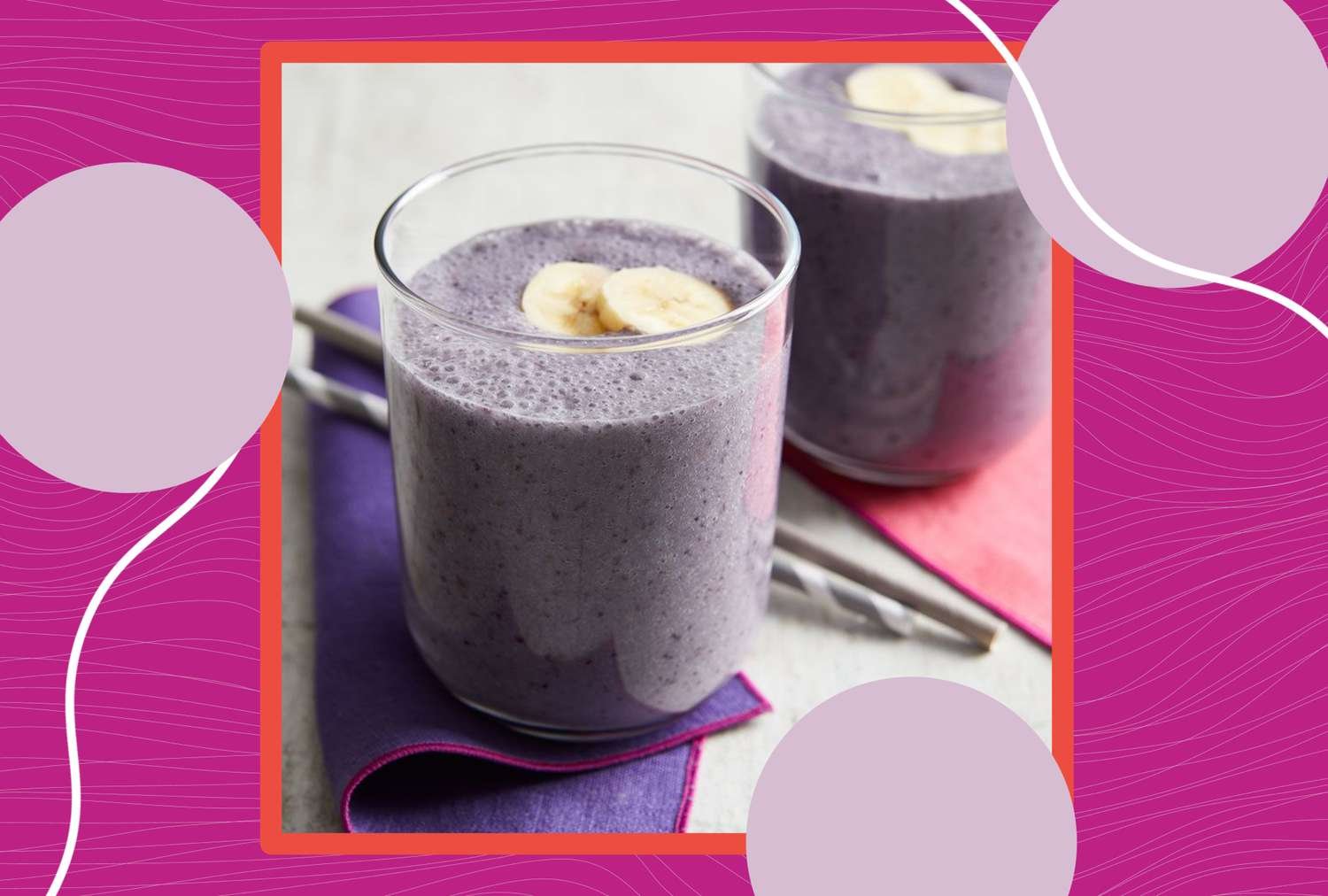
To get more anthocyanins into your diet, toss frozen berries into smoothies, yogurt or oatmeal. You can also add anthocyanins into your afternoon snack, says Jowett, who likes dried fruit, such as cherries or blueberries, and nuts paired together. Purple potatoes, black rice and red cabbage are anthocyanin-rich foods that can be added at dinner.
5. Sulforaphane
Sulforaphane is a potent antioxidant found in cruciferous vegetables, such as broccoli, cauliflower, Brussels sprouts and kale. “It protects your cells from stress and supports your mitochondria—your body’s little energy engines—so everything works more efficiently,” says Jowett.
Emerging animal studies show that sulforaphane may play a role in burning visceral fat. “Early studies show sulforaphane helps animals eat more normally, burn more fat as fuel, and store less overall, without acting like a harsh appetite suppressant. It even shows promise in helping the body respond to leptin again, which is huge for appetite and belly-fat regulation,” says Jowett. While more studies in humans are needed, you can’t go wrong adding cruciferous vegetables to your diet. They’re high in fiber and have been shown to reduce inflammation and improve insulin sensitivity.
Jowett’s simple tips include roasting a big tray of broccoli or Brussels sprouts as a simple meal-prep vegetable, blending cauliflower rice into smoothies or adding shredded red cabbage to tacos. And if you’ve never eaten broccoli sprouts, there’s a first time for everything. Broccoli sprouts contain more sulforaphane than any other food and can be added to sandwiches, salads, grain bowls or wraps.
6. Omega-3s
Omega-3s are a type of polyunsaturated fat found in fatty fish like salmon, as well as some nuts and seeds, like walnuts and chia seeds. Research shows that the two types of omega-3s found in fatty fish, eicosapentaenoic acid (EPA) and docosahexaenoic acid (DHA), may reduce waist circumference and visceral fat, especially when combined with dietary changes. In one study, women who consumed EPA and DHA, the two types of omega-3s found in fatty fish, had less visceral fat, but the same effect was not seen in men. In another study, those who took omega-3s daily had less abdominal obesity and fewer inflammatory markers, compared to people who got a placebo.
To get more omega-3s, Jowett recommends eating one to two servings of fatty fish per week. Salmon, albacore tuna, sardines and mackerel are all rich in EPA and DHA. Alternatively, you can take a fish oil supplement. Most supplements contain around 1,000 milligrams of fish oil with 180 mg of EPA and 120 mg of DHA. However, there’s no standard recommended amount of EPA and DHA, so speak with your health care provider to determine the right dose for you.
Meal Plan to Try
Lose Visceral Fat in 30 Days With This Dietitian-Created High-Fiber Meal Plan
Our Expert Take
Science shows that specific nutrients like fiber, protein and antioxidants have the power to reduce visceral fat, especially when combined with other healthy lifestyle changes like exercise. While you may struggle to remember the name of compounds like anthocyanins and sulforaphane, just remember the simple recommendation to eat the rainbow. Fill your grocery cart with a variety of colorful fruits and vegetables, fiber-rich whole grains and lean proteins, and you’ll be well on your way to helping reduce stubborn belly fat.
